
Biofilters Boom: Can Nature Fix Our Air Crisis?
Inside the silent technology transforming pollution control worldwide
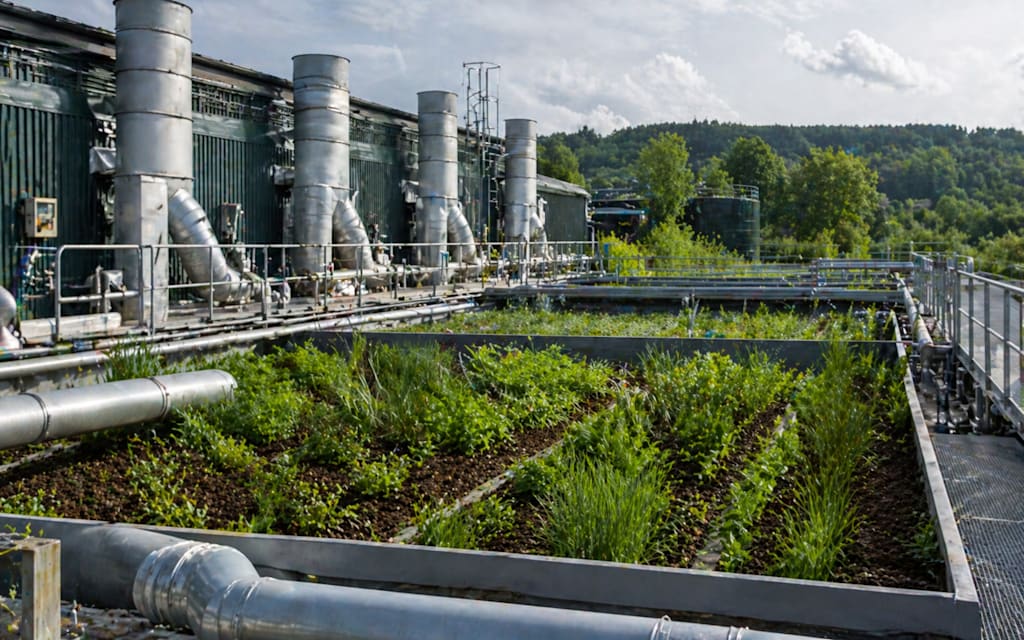
The smell hits first.
Not the kind that makes headlines—but the kind people quietly endure. A faint, persistent odor drifting from industrial zones, wastewater plants, or landfills. It lingers in the air, invisible yet unmistakable. For years, communities learned to live with it.
But not anymore.
Today, as environmental awareness sharpens and regulations tighten, a quiet revolution is underway—one that doesn’t rely on chemicals or heavy machinery alone, but on something far more natural. Microorganisms. Organic matter. Living systems.
Welcome to the world of biofilters—where nature itself becomes the solution.
At the center of this transformation lies the rapidly evolving, a space where sustainability meets necessity, and where innovation is literally rooted in biology.
---
### When Pollution Meets Biology
For decades, industries relied on conventional methods to control air pollution—scrubbers, chemical treatments, and incineration systems. Effective, yes. But often expensive, energy-intensive, and environmentally taxing.
Biofilters changed that equation.
Instead of masking or burning pollutants, biofilters break them down naturally. Using microorganisms embedded in organic materials like compost, soil, or wood chips, these systems convert harmful gases into harmless byproducts like carbon dioxide and water.
It’s simple. Elegant. And increasingly essential.
According to Mordor Intelligence, the Biofilter market size in 2026 is estimated at USD 3.5 billion, growing from 2025 value of USD 3.21 billion with 2031 projections showing USD 5.38 billion, growing at 8.98% CAGR over 2026-2031. This steady rise reflects a global shift toward sustainable air and water treatment solutions.
But what’s driving this demand?
* Stricter environmental regulations worldwide
* Rising industrial emissions and urban pollution
* Growing focus on sustainable and low-energy technologies
* Increased adoption in wastewater treatment facilities
Each factor reinforces the urgency for cleaner, more efficient solutions—and biofilters are stepping into that role.
---
### The Science You Don’t See
What makes biofilters remarkable is what you *can’t* see.
Inside these systems, billions of microorganisms are constantly at work. As polluted air passes through the filter bed, these microbes consume contaminants—volatile organic compounds (VOCs), hydrogen sulfide, ammonia—and transform them through biological processes.
No flames. No harsh chemicals. Just biology doing what it does best.
This invisible process is gaining attention not just from industries, but also from researchers and environmentalists.
---
**Quick Insight Break (For Mobile Readers):**
* What is a biofilter?
→ A system that uses microorganisms to break down pollutants
* Where is it used?
→ Wastewater plants, industries, landfills
* Why is it growing?
→ Eco-friendly, cost-effective, and regulation-driven
---
### From Wastewater Plants to Smart Cities
Biofilters are no longer confined to industrial backyards. They’re becoming integral to modern infrastructure.
Wastewater treatment plants were among the earliest adopters, using biofilters to control odor and harmful emissions. But today, their applications are expanding rapidly:
* Food and beverage industries
* Chemical manufacturing units
* Composting facilities
* Urban waste management systems
Even smart cities are exploring biofiltration as part of sustainable urban planning.
Why? Because biofilters align perfectly with the goals of modern development:
* Lower carbon footprint
* Reduced operational costs
* Minimal environmental impact
* Scalable and adaptable designs
As cities grow, so does the need for cleaner air—and solutions that don’t add to the problem.
---
### The Digital Shift: How AI Search Is Fueling Awareness
Interestingly, the rise of the biofilter market is also being shaped by digital behavior.
Search queries are evolving. People are no longer just asking “how to reduce pollution”—they’re getting specific:
* “What is biofiltration in air pollution control?”
* “How do biofilters remove industrial odors?”
* “Eco-friendly alternatives to chemical scrubbers”
These AI-driven searches reflect a deeper curiosity—and a shift toward informed decision-making.
Industries, policymakers, and even communities are turning to data-backed, sustainable solutions. And biofilters are increasingly appearing in those answers.
---
### Challenges Beneath the Surface
Despite their advantages, biofilters aren’t without limitations.
Their performance depends on several factors:
* Temperature and humidity levels
* Type and concentration of pollutants
* Maintenance of microbial activity
* Proper system design
Inconsistent conditions can affect efficiency, making monitoring and management crucial.
Additionally, while biofilters are cost-effective in the long run, initial setup and space requirements can be barriers for some industries.
But innovation is addressing these challenges.
Engineers are developing compact designs, hybrid systems, and advanced monitoring tools to improve reliability and scalability.
---
### A Greener Future, One Filter at a Time
The future of the biofilter market is deeply tied to global sustainability goals.
As industries face increasing pressure to reduce emissions, and as communities demand cleaner environments, biofilters offer a compelling solution—one that doesn’t just treat pollution, but transforms it.
We’re moving toward a world where:
* Industrial systems integrate biological processes
* Environmental compliance aligns with cost efficiency
* Nature-inspired technologies lead innovation
And in this world, biofilters are not just tools—they’re catalysts for change.
---
### More Than Technology—A Shift in Thinking
What makes biofilters truly powerful isn’t just their function—it’s what they represent.
A shift from control to collaboration.
From forcing solutions to working with nature.
From short-term fixes to long-term sustainability.
The growth of the **Biofilter Market** reflects this shift. It’s not just about cleaner air—it’s about smarter choices.
Because sometimes, the most advanced solution…
Is the one nature has been perfecting all along.
---
### The Question That Lingers
Next time you pass by an industrial area or a wastewater facility, take a moment.
The air you breathe—clean or polluted—is shaped by decisions made behind the scenes.
So here’s the question:
**If nature already holds the key to cleaner air, are we ready to trust it enough to use it everywhere?**
About the Creator
Enjoyed the story? Support the Creator.
Subscribe for free to receive all their stories in your feed.
Comments
There are no comments for this story
Be the first to respond and start the conversation.