
Beyond the NDA: Amazon Pledges Openness as Data Center Backlash Grows
Matt Garman Drops Secrecy Pledges and Debunks Myths But Communities Remain Skeptical Water, Power, and Pollution Debated Moratoriums Spread Across U.S.

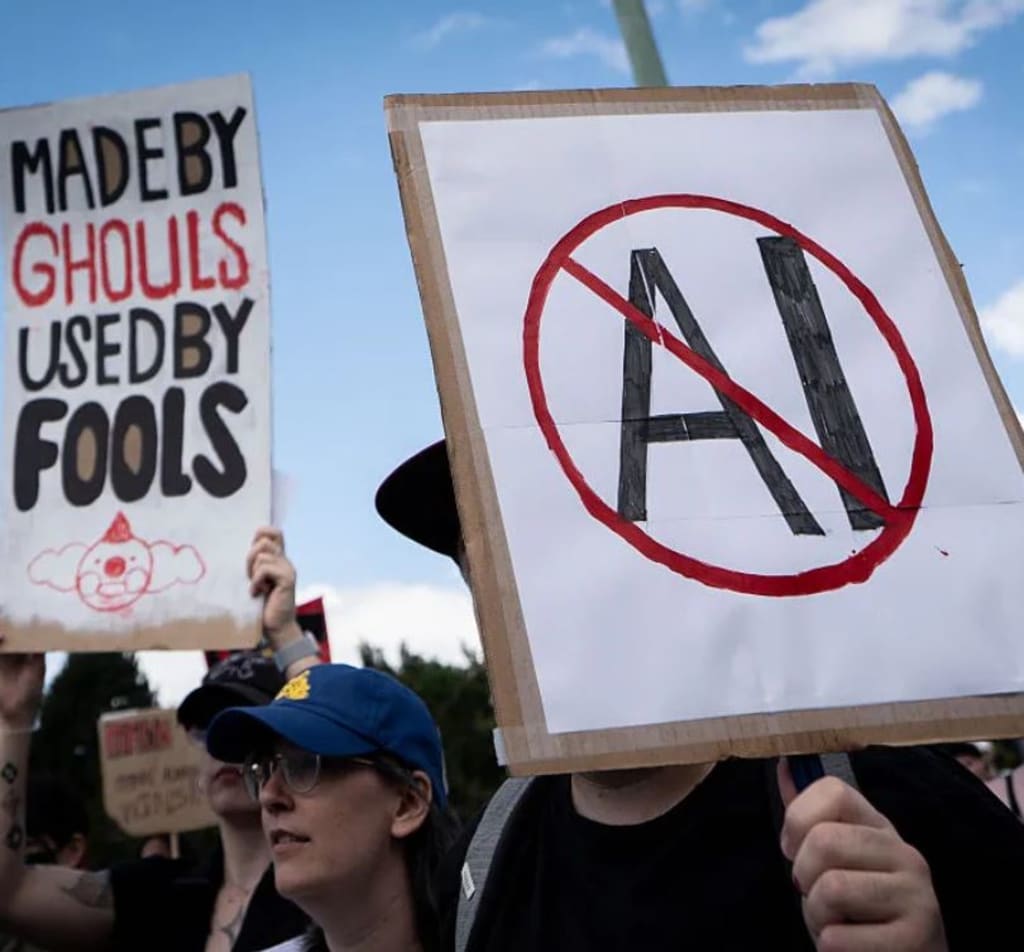
The battle over data centers, their environmental footprint, their cost to communities, and the secrecy that has surrounded their approval has moved into the open. Amazon Web Services CEO Matt Garman has announced the company will no longer use nondisclosure agreements (NDAs) with government agencies when seeking approval to build new facilities. The pledge comes amid mounting public pushback, moratoriums in key states, and deep mistrust of how these massive projects are planned, reviewed, and approved. Garman has laid out his case, but critics say the numbers do not tell the whole story.
The Secrecy Problem That Sparked a Movement
For years, data center developments moved forward behind closed doors. Environmental advocate Erin Brockovich described the pattern clearly: “Projects are announced after permits are already secured. Developers don’t return calls. Local officials have signed NDAs before their neighbours even knew a project was being considered.” This lack of transparency has fuelled suspicion from coast to coast. In July 2026, New York state paused all new data center construction entirely. Across the United States, more than 100 moratoriums or restrictions are under active consideration. Garman warns these measures could put America at a competitive disadvantage: “We cannot afford to write our own losing ticket to the future,” he argues. “The consequences would last generations.”
Four Myths, One Response
To address the concerns, Garman has directly challenged four widely held beliefs about data centers and offered Amazon’s perspective on each:
Water Use This is perhaps the most urgent concern, as AI systems demand massive amounts of cooling. Garman states that data centers account for just 0.5% of industrial water consumption in the U.S., far less than golf courses, almond farming, or other major users. But critics point out this figure excludes water consumed upstream: in power generation, chip manufacturing, and energy production. As experts note, there are currently no federal or state requirements mandating full lifecycle water reporting, meaning the true footprint remains difficult to measure. Nvidia has also touted water‑saving cooling technology, yet those advances do not fully address the broader resource demands of the AI boom.
Electricity Costs Garman acknowledges rates have risen in some regions but notes they have fallen or grown more slowly in others. Where prices have climbed, he attributes it to ageing grids unprepared for surging demand. However, independent watchdogs have flagged data centers as a key driver of price spikes on America’s largest electrical grid, where costs have risen 76%. The pressure on infrastructure is real, and who bears that cost is often a matter of intense local debate.
Pollution Opponents highlight that some proposed facilities could become the largest single sources of emissions in their states. Garman counters that backup generators, while permitted for high output, are rarely used running roughly 10 hours annually, mostly for maintenance. Yet the risk remains: when grids fail, these generators fire up, and as the sector expands, so does that potential load. Separately, Elon Musk’s xAI is now purchasing $2.8 billion worth of backup generators, underscoring how the industry is planning for reliability through fossil fuel power.
Community Benefits: Garman points to $1 billion Amazon has contributed to local communities over three years. But trust is the harder sell. As Anthropic CEO Dario Amodei has observed, the public increasingly assumes “companies and governments are cooking up some new way to take advantage.” Even when presented with facts, many people simply respond: “I don’t believe them.” That deficit of confidence is harder to fix than any engineering problem.
Openness Is a Start, Not a Solution
Ending NDAs is a significant step. It means local officials, residents, and journalists will see plans earlier, ask questions openly, and participate on a more level playing field. But transparency alone does not resolve the underlying trade‑offs: between the economic promise of AI infrastructure and the strain on water, power, and air; between national competitiveness and local quality of life; between what companies say and what communities experience.
The debate has moved beyond whether data centers will be built to how many, where, and at what cost. Garman’s speech is one side of that conversation. The answers will be written not just in boardrooms or statehouses, but in the places where these facilities actually stand and where people live.
About the Creator
Mark Lim
Hi I am mark an automotive student and a car, tech and food enthusiast ! Im gonna try and post daily & hope you enjoy what I write and do share my page with people you know. I would gladly appreciate it! Cheers
Enjoyed the story? Support the Creator.
Subscribe for free to receive all their stories in your feed.
Comments
There are no comments for this story
Be the first to respond and start the conversation.