
Best Vibrating Alarm Clocks for the Deaf: Reliable Wake-Up Solutions
Discover the best vibrating alarm clocks for the deaf and hard of hearing. Ensure a peaceful and reliable wake-up with smart alarm clocks designed for hearing impairments.
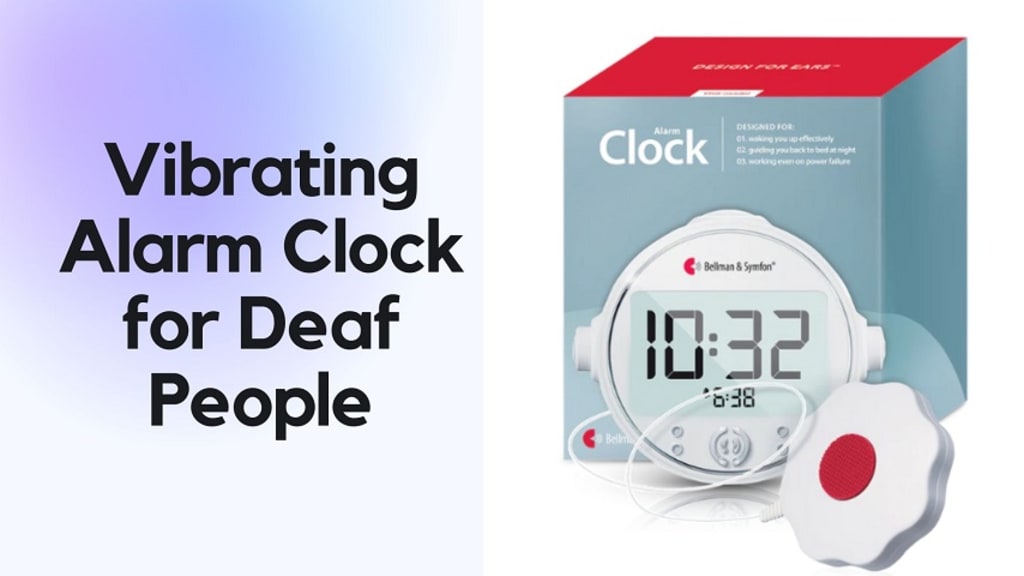
Vibrating Alarm Clocks for the Deaf: The Ultimate Wake-Up Solution
Waking up on time is crucial, but for individuals who are deaf or hard of hearing, traditional alarm clocks just won’t cut it. The high-pitched beeps that work for those with full hearing capacity are often ineffective for those who cannot hear them.
This is where vibrating alarm clocks for the deaf come in. These specially designed devices use vibrations, visual cues, and sometimes even flashing lights to ensure that individuals who are hearing impaired are awakened on time, without relying on sound.
In this article, we’ll explore the benefits of vibrating alarm clocks, how they work, and why they’re an essential tool for those who are deaf or hard of hearing.
We’ll also dive into the key features to look for in an alarm clock for hard of hearing and provide tips for choosing the right model to suit your needs.
Why Standard Alarm Clocks Don’t Work for the Deaf and Hard of Hearing
Traditional alarm clocks are designed to wake people up using loud, jarring noises. For individuals who are deaf or hard of hearing, this approach simply doesn’t work.
Not only can they sleep through the alarm, but they may also miss important appointments or deadlines. Whether due to deep sleep or simply not being able to hear the sound, waking up on time is a challenge.
Relying on another person to wake you up is not always practical, and it can be inconvenient and stressful for everyone involved. This is where vibrating alarm clocks for the deaf come into play. These devices use powerful vibrations, flashing lights, and even bed-shaker technology to ensure that waking up is easy and stress-free, no matter how deep your sleep is.
How Do Vibrating Alarm Clocks Work?
Vibrating alarm clocks are equipped with features that cater specifically to those with hearing impairments. These clocks use vibrations, flashing lights, and in some cases, even sound in combination to ensure the user wakes up. Let’s take a closer look at the different features:
1. Vibrating Alerts
The primary feature of a vibrating alarm clock is the ability to produce strong vibrations. These vibrations are typically delivered through a shaker unit, which can be placed under the user’s pillow, mattress, or even on a nightstand. The vibrations are powerful enough to wake up someone even from deep sleep.
2. Flashing Lights
Some models of vibrating alarm clocks also include flashing lights. This is particularly helpful for those who may not feel the vibrations as strongly. The flashing lights serve as a secondary alert, catching the attention of the user, ensuring they know it’s time to wake up.
3. Sound Alerts (Optional)
While sound isn’t the primary mode of alert, some vibrating alarm clocks for the deaf come with an option for low-volume sounds or a tone that can be used in combination with the vibrations. This can be useful for people who are hard of hearing but still have some residual hearing. However, the vibrations and lights are the primary features for full hearing impairment.
4. Multiple Wake-Up Settings
Many vibrating alarm clocks allow users to set multiple alarms, including the option to have different vibration intensities, sounds, or flashing light patterns. This customization allows for a tailored experience, ensuring that individuals can adjust the settings to their specific needs and preferences.
Why You Need a Vibrating Alarm Clock for the Deaf or Hard of Hearing
If you or someone you know is deaf or hard of hearing, having the right alarm clock is essential for maintaining independence and managing daily routines. Here’s why a vibrating alarm clock for the deaf is a must-have:
1. Ensures Timely Wake-Up
The most obvious benefit of vibrating alarm clocks is that they help ensure you wake up on time. No longer will you need to worry about missing appointments, work, or school because you didn’t hear your alarm. Vibrating clocks are effective, reliable, and ensure that you can start your day without stress.
2. Increased Independence
For individuals who are deaf or hard of hearing, relying on others for something as simple as waking up can feel limiting. By using a vibrating alarm clock, you regain independence and control over your daily routine. These clocks are designed to help you take care of yourself without depending on someone else.
3. Peaceful Sleep
Because vibrating alarm clocks use non-intrusive alerts, they allow you to sleep soundly without being startled by a loud, jarring sound. The gentle vibrations or flashing lights are enough to wake you up without disturbing your rest. For those who are hard of hearing, this provides a peaceful way to wake up, without the stress of missing important events.
4. A Safer Option
Waking up on time is important for safety. Whether you need to wake up for medication, an early appointment, or just to begin your day, having a reliable vibrating alarm clock ensures you’re never late. This is especially important for people who rely on routines for medical reasons or other time-sensitive needs.
5. Ideal for People with Sleep Disorders
Individuals with sleep disorders, such as insomnia or narcolepsy, can also benefit from vibrating alarm clocks. These devices ensure that even if you’re in a deep sleep cycle, the vibrations will wake you up without disturbing your natural rest patterns.
Choosing the Right Vibrating Alarm Clock for Your Needs
When choosing a vibrating alarm clock for the deaf or an alarm clock for hard of hearing people, there are several factors to consider. Here’s what to look for:
1. Vibration Intensity
Make sure the clock provides strong vibrations that can effectively wake you up. If you’re a heavy sleeper, look for models with adjustable vibration intensities or additional bed shaker options.
2. Customization
Look for a clock that allows you to customize settings, such as the combination of vibrations, light flashes, or sounds. This flexibility ensures you get the exact wake-up experience that suits your preferences.
3. Display Features
Many vibrating alarm clocks come with easy-to-read displays. Choose one with a large, clear display that shows the time, date, and other important information. Some models even include backlighting for easy viewing at night.
4. Compatibility with Other Devices
If you already have smart devices at home, opt for a vibrating alarm clock that integrates with your smartphone or smart home system. This can offer an extra layer of convenience and ensure you don’t miss an important wake-up call.
5. Price and Quality
While it’s important to choose a clock that fits within your budget, make sure you’re investing in a high-quality product. Look for a well-built, reliable vibrating alarm clock that will last and offer consistent performance.
Conclusion
For individuals who are deaf or hard of hearing, waking up on time shouldn’t be a challenge. A vibrating alarm clock for the deaf or an alarm clock for the hard of hearing can make all the difference in maintaining independence, safety, and a peaceful night’s sleep.
By selecting the right vibrating alarm clock, you ensure that you have a reliable, non-intrusive wake-up solution tailored to your needs.
With the right features, customization, and smart integrations, a vibrating alarm clock can help you take control of your daily routine, ensuring you wake up on time and start each day confidently.
If you’re looking for a safe and effective way to manage your wake-up schedule, investing in a vibrating alarm clock is a step toward a better, more independent lifestyle.
About the Creator
Enjoyed the story? Support the Creator.
Subscribe for free to receive all their stories in your feed.
Comments
There are no comments for this story
Be the first to respond and start the conversation.