
Best Smoke Detectors for the Deaf: Safe Living Solutions
Discover reliable smoke alarms for the deaf and hearing impaired, offering safety and peace of mind. Ensure a secure environment with advanced smart products.
Smoke Detectors for the Deaf: A Crucial Safety Solution for Hearing Impaired Individuals
For those with hearing impairments, everyday safety concerns like smoke alarms can present significant challenges. The inability to hear a traditional smoke detector's alarm during an emergency can be life-threatening.
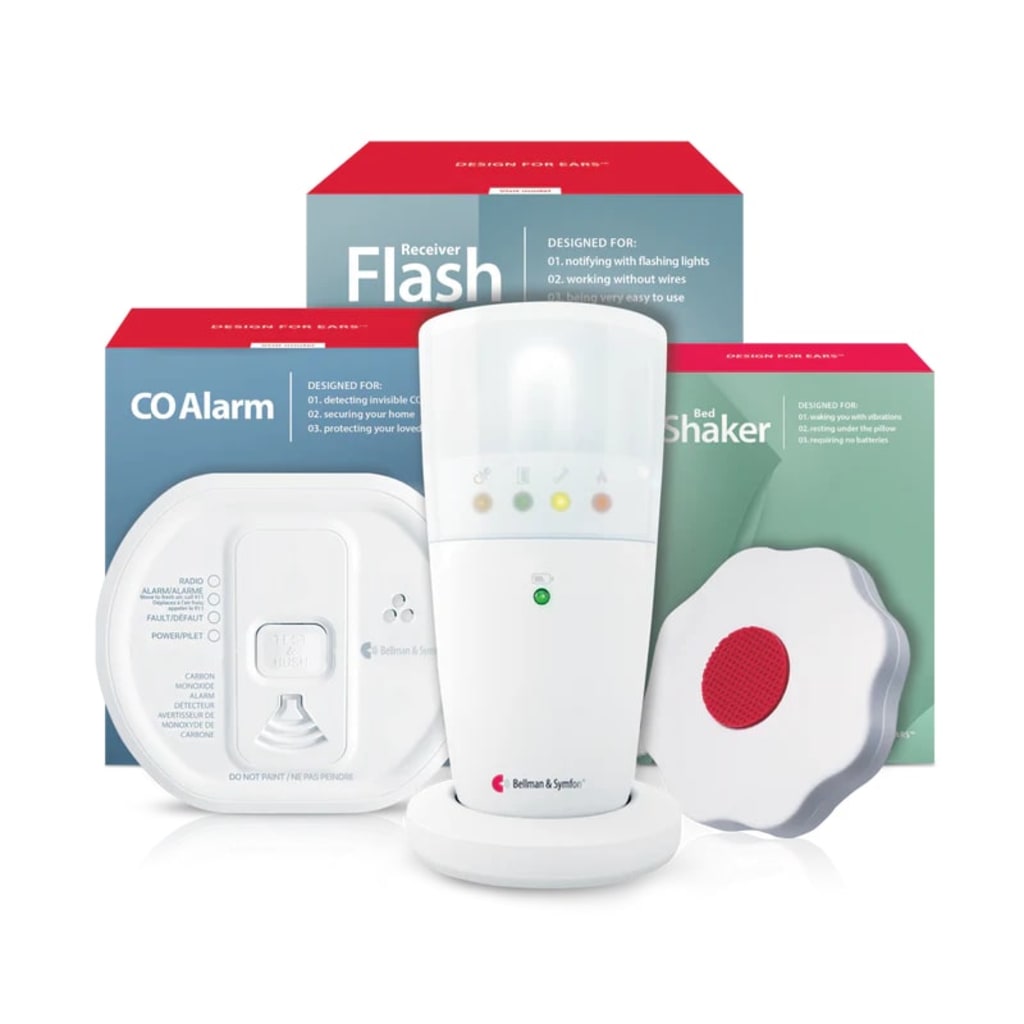
That's where smoke alarms for the deaf and hearing impaired come into play. These specialized devices are designed to alert individuals using visual or vibration cues, ensuring they are aware of potential dangers even without hearing the traditional sound.
In this article, we'll explore the importance of smoke detectors for the deaf, how they work, and the different options available to create a safer living environment for those with hearing loss.
Whether you’re shopping for yourself or a loved one, understanding these vital safety tools is the first step toward ensuring peace of mind.
Why Standard Smoke Detectors Aren’t Enough for the Deaf
Traditional smoke detectors rely on a loud sound to alert individuals to the presence of smoke or fire. While effective for many, they aren't suitable for those who are deaf or hard of hearing.
Deaf individuals cannot hear the loud, high-pitched beeps of these alarms, which can delay their response during a critical emergency.
Additionally, relying on other people to hear and react to the alarm isn’t a reliable solution. In the event of a fire or other emergency, having the right technology to warn individuals directly can mean the difference between life and death.
This is why smoke alarms for the deaf and hearing impaired are so vital. These systems not only provide the same protection as regular alarms but also offer an extra layer of safety using methods that cater to individuals who cannot hear.
How Smoke Alarms for the Deaf and Hearing Impaired Work
Modern smoke detectors for the hearing impaired use a combination of visual and tactile signals to alert users of danger. These advanced systems typically include features such as:
Bright Flashing Lights: When smoke or fire is detected, these alarms emit bright, flashing lights that can be seen from across the room. This visual cue ensures that individuals can quickly notice an emergency, regardless of their hearing abilities.
Vibrating Alerts: Another key feature is the ability to emit strong vibrations. These alarms often come with bed shakers or portable vibrating units that can be placed on a nightstand or bed. The vibrations are powerful enough to wake someone from sleep, even during deep rest.
Integration with Other Smart Devices: Many of today’s smoke alarms for the deaf and hearing impaired integrate with other smart home technology, such as smart lights or connected apps. In some systems, when a smoke detector goes off, it triggers connected lights in the home to flash, providing additional visual cues.
By using a combination of these sensory features, these detectors ensure that everyone, regardless of their hearing ability, is alerted in case of danger.
Types of Smoke Detectors for the Deaf
There are several types of smoke alarms and systems available to cater to the needs of the deaf and hearing impaired. Here are some of the most popular options:
1. Visual Smoke Alarms
These alarms use flashing lights to indicate the presence of smoke or fire. They are especially effective in rooms with good visibility, such as kitchens, living rooms, and hallways.
For individuals who are deaf or hard of hearing, these visual cues are vital for quickly recognizing an emergency situation.
2. Vibration-Based Alarms
Vibration-based alarms use a shaker device that vibrates strongly when the alarm is triggered. These devices are often placed under pillows or mattresses and are designed to wake up users during the night. This is especially important for people who may be sleeping through a visual alert but can still feel the vibrations.
3. Integrated Systems
Some smart smoke alarms for the deaf offer integration with other devices in the home, such as visual and vibrating signals connected to smart lights, phone notifications, or other smart home products. These systems offer multiple layers of alerts, increasing the chance of noticing an emergency and responding promptly.
4. Combined Smoke and Carbon Monoxide Detectors
Certain models combine smoke detection with carbon monoxide detection, which is an added safety feature. Carbon monoxide is a silent killer, and for those who are hearing impaired, having an integrated smoke and CO alarm is an essential precaution. These devices can alert individuals using both visual and tactile signals.
Benefits of Smoke Detectors for the Deaf and Hearing Impaired
For deaf individuals, having the right safety tools is crucial. Here’s why investing in smoke alarms for the deaf and hearing impaired is a wise decision:
1. Ensures Safety at All Times
The primary benefit of these alarms is that they ensure the safety of individuals with hearing loss in their own homes. Whether they’re sleeping, cooking, or relaxing, they’ll be able to quickly respond to smoke or fire due to the combination of flashing lights and vibrations.
2. Peace of Mind for Families
For family members of deaf individuals, knowing that their loved ones have a smoke alarm system in place that ensures their safety can bring peace of mind. It alleviates the worry of whether someone will be able to react to an emergency without hearing the alarm.
3. Easy to Install and Use
Modern smoke alarms designed for the hearing impaired are generally easy to install and use. Many systems come with simple, user-friendly setups that integrate seamlessly into your existing home security infrastructure.
4. Improved Sleep Quality
For individuals who sleep through loud sounds or those who live in noisy environments, the vibration alerts of these devices can ensure they wake up and respond to an emergency. This helps individuals sleep soundly without worrying about missing important alerts.
Choosing the Right Smoke Alarm for Your Needs
When shopping for smoke alarms for the deaf and hearing impaired, it's important to consider factors such as:
Type of alert: Choose a system that offers both visual and vibrating alerts, ensuring that you can see and feel the warning.
Ease of installation: Make sure the alarm is easy to install and set up in your home. Some systems integrate with existing smart devices, which can enhance their effectiveness.
Compatibility: Look for smoke alarms that work with other home safety devices or smart home systems for added convenience.
Testing and maintenance: Ensure the device includes easy-to-use features for regular testing and maintenance to ensure the alarm is always working when needed.
Conclusion
When it comes to home safety, no one should be left behind. Smoke alarms for the deaf and hearing impaired provide the crucial protection needed for individuals who cannot hear traditional alarms.
By offering both visual and vibrating alerts, these advanced systems ensure that everyone has the chance to respond to an emergency, keeping them safe and secure.
If you or a loved one are deaf or hearing impaired, it’s time to invest in a smoke alarm system that works for your needs. Choose a reliable, user-friendly alarm and create a safer, more secure environment today. Don’t wait until it's too late—make sure you're prepared with the right tools for the job.
About the Creator
Enjoyed the story? Support the Creator.
Subscribe for free to receive all their stories in your feed.
Comments
There are no comments for this story
Be the first to respond and start the conversation.