
Best Smoke Detectors for Deaf: Ensuring Home Safety
Discover top smoke detectors for the deaf, featuring visual alerts, vibrations, and reliable tech for optimal home safety and peace of mind.
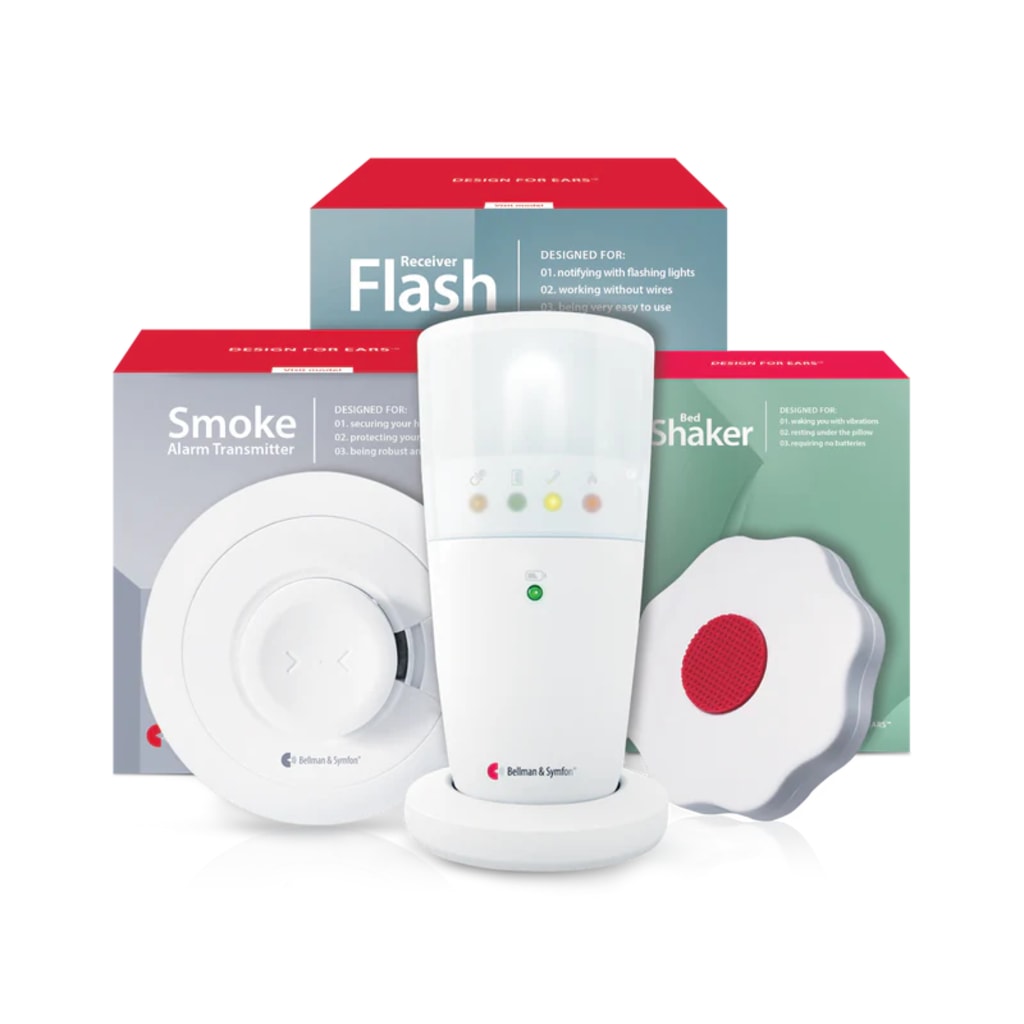
Smoke Detectors for the Deaf: Essential Safety for Hearing Impaired Homes
When it comes to home safety, having a dependable smoke detector is crucial. For individuals who are deaf or hard of hearing, traditional smoke alarms that rely on sound are inadequate.
Instead, specialized smoke detectors for the deaf offer essential features that make fire alarms accessible and effective. These life-saving devices include visual alerts, bed shakers, and even smart home integrations, providing comprehensive protection.
This article explores the key features, benefits, and top choices for smoke detectors designed for those with hearing impairments, empowering you to make an informed choice for a safer home.
Why Smoke Detectors for the Deaf Are Vital
Standard smoke alarms alert users with loud noises, which are ineffective for people who are deaf or hard of hearing. This gap in fire safety systems presents significant risks, especially when a fire starts at night. Smoke detectors for deaf address this issue by using alternative alert methods, such as intense flashing lights and vibrations.
These features ensure that all individuals, regardless of hearing ability, can be alerted in case of an emergency, creating a safer, more inclusive environment.
Key Features of Smoke Detectors for the Deaf
When selecting a smoke detector tailored for the deaf or hard of hearing, it’s essential to look for specific features that enhance accessibility and reliability:
Strobe Light Alerts: Many of these smoke detectors use flashing strobe lights as visual cues. These bright, pulsating lights capture attention, alerting individuals to danger even from a distance or in another room.
Vibration Alerts (Bed Shakers): Some models include bed shakers that emit strong vibrations to wake individuals up during a fire. This is especially useful for heavy sleepers who may not notice a flashing light alone. Bed shakers are typically placed under the mattress or pillow and activate when the alarm goes off.
Smartphone Integration: Advanced models can connect to smartphone apps, allowing users to receive alerts on their phones. This is helpful for individuals who are frequently on their phones or need extra reminders when away from the main alarm unit.
Combination Alarms: Many modern devices combine smoke detection with carbon monoxide (CO) alerts, providing a comprehensive safety solution in a single unit.
Battery Backup: Since power outages can occur during emergencies, most specialized smoke detectors for the deaf include battery backup, ensuring the device works even when electricity is lost.
How Smoke Detectors for the Deaf Work
Smoke detectors for the deaf operate similarly to traditional detectors, with additional sensory options to ensure effectiveness. When smoke is detected, the alarm triggers the strobe light and/or bed shaker, providing a non-auditory alert.
Some models include smartphone alerts, and advanced units may interconnect with other alarms throughout the home, enabling a full-home alert system that activates every device simultaneously.
Benefits of Smoke Detectors for the Deaf
Investing in a smoke detector for deaf people offers both peace of mind and increased safety. Here’s why these devices are essential:
Inclusive Safety: Smoke detectors for the deaf ensure that all individuals, regardless of hearing ability, can remain informed and protected.
Improved Wake-Up Reliability: For those who are deaf, waking up to the standard sound-based alarm during a fire isn’t possible. Bed shakers and strobe lights solve this issue, providing an effective wake-up call even in the middle of the night.
Quick Response in Emergencies: With multiple alert methods, these alarms offer quick, reliable notifications during a fire, supporting a timely evacuation.
Compliance with Safety Standards: Many states now require fire alarms that accommodate individuals with disabilities, especially in multi-family dwellings and commercial buildings. Having a specialized smoke detector can help meet these regulatory requirements.
Choosing the Right Smoke Detector for Your Needs
Selecting the right smoke detector for the deaf involves considering your specific needs and home layout. Here are some factors to keep in mind:
Alert Preferences: Decide if you prefer visual strobe lights, vibration, or both. If you’re a heavy sleeper, a bed shaker may be essential.
Home Size: In larger homes, interconnected systems are valuable, as they activate all alarms simultaneously, notifying everyone regardless of where they are in the house.
Power Source: Battery-operated models offer flexibility in placement but require regular battery replacement. Hardwired models, on the other hand, need professional installation but don’t require battery replacement as frequently.
Compliance and Certifications: Look for alarms that meet ADA (Americans with Disabilities Act) and NFPA (National Fire Protection Association) requirements for added safety and reliability.
Installing and Maintaining a Smoke Detector for the Deaf
Once you’ve selected the right smoke detector, installation and maintenance are key to its effectiveness. Follow these tips for optimal setup and upkeep:
Placement: Install smoke detectors in every bedroom and outside sleeping areas, as well as in common areas like the kitchen and living room.
Testing: Regularly test smoke detectors, ideally once a month, to ensure they are functioning properly.
Battery Maintenance: Replace batteries at least once a year, or when the low-battery alert sounds.
Dust and Clean: Clean the smoke detector periodically, as dust and debris can reduce sensitivity and performance.
Frequently Asked Questions
Are smoke detectors for the deaf hard to install?
Most smoke detectors for the deaf are easy to install, especially wireless models. Hardwired units may require professional installation to ensure proper connectivity.
Do these detectors work for individuals who are profoundly deaf?
Yes, many models are designed for those who are profoundly deaf, using intense strobe lights and bed shakers to provide clear, non-auditory alerts.
Can I connect multiple smoke detectors in my home?
Many smoke detectors, like the First Alert and Gentex models, are designed for interconnectivity, allowing all alarms to activate simultaneously for a comprehensive alert system.
How often should I replace a smoke detector?
Smoke detectors should be replaced every 7-10 years, or sooner if they show signs of malfunction. Regular maintenance and testing are essential.
Is a bed shaker necessary for a smoke detector for the deaf?
While not essential, bed shakers provide an additional alert method that can be invaluable, especially for heavy sleepers or those who may not notice visual alerts.
Can smoke detectors for the deaf be connected to smart home systems?
Yes, some models, especially those with smartphone integration, can connect to smart home systems, providing additional convenience and control.
Conclusion: Safety and Peace of Mind with Smoke Detectors for the Deaf
A smoke detector for the deaf isn’t just a tool; it’s a life-saving device that brings security and accessibility into the home. Whether you’re looking for a flashing strobe light, bed shaker, or smart alerts, there are options to meet various needs and budgets.
Investing in a reliable smoke detector tailored for the hearing impaired is a proactive step toward protecting your loved ones and enhancing your home’s safety.
By choosing the right model and maintaining it properly, you can create a secure, inclusive environment that keeps everyone safe, regardless of hearing ability.
About the Creator
Enjoyed the story? Support the Creator.
Subscribe for free to receive all their stories in your feed.
Comments
There are no comments for this story
Be the first to respond and start the conversation.