
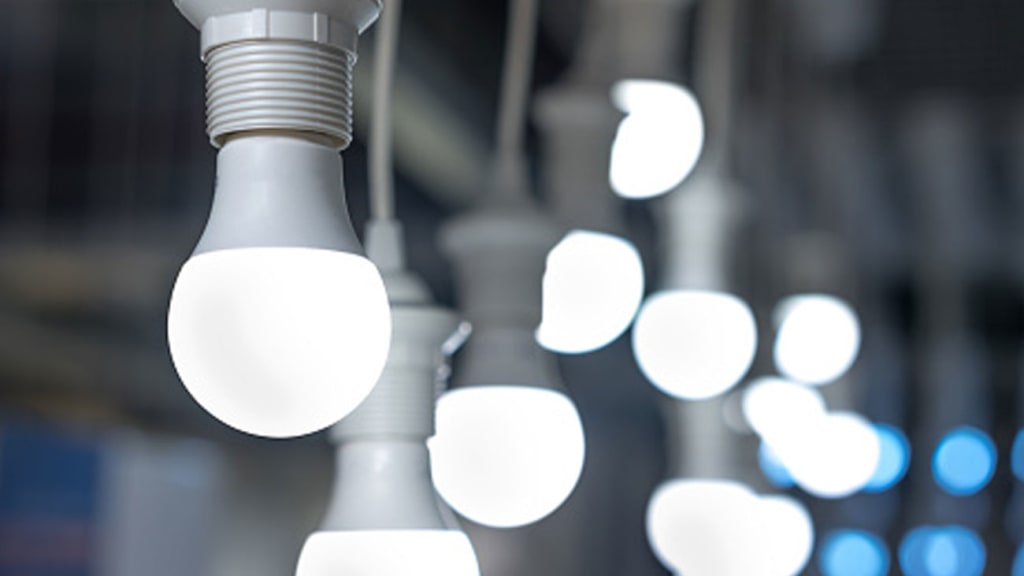
A LED light testing laboratory is a facility where LED lighting products are tested for various parameters such as luminous efficacy, color rendering index (CRI), color temperature, power consumption, and other performance factors. LED lighting manufacturers, distributors, and retailers often use testing laboratories to ensure that their products meet industry standards and regulations and to differentiate their products from those of their competitors.
Here are some common tests performed in LED light testing laboratories:
Luminous efficacy: This test measures the amount of visible light produced by the LED light per unit of electrical power consumed. The higher the luminous efficacy, the more efficient the LED light is.
Color rendering index (CRI): This test measures how accurately the LED light source renders colors compared to a reference light source. A high CRI value means the LED light accurately represents colors.
Color temperature: This test measures the color appearance of the LED light. Color temperature is measured in Kelvin (K) and can range from warm white (2700K) to cool white (5000K).
Power consumption: This test measures the amount of electrical power consumed by the LED light. Lower power consumption means lower operating costs.
Lifetime testing: This test measures how long the LED light will last before its brightness decreases to a certain level.
Thermal testing: This test measures the temperature of the LED light and its surrounding components to ensure that the LED light can operate within its specified temperature range. The test can also identify any thermal issues that may cause premature failure of the LED light.
EMC (electromagnetic compatibility) testing: This test measures the amount of electromagnetic interference (EMI) generated by the LED light and ensures that the LED light does not interfere with other electrical equipment in its vicinity.
Photobiological safety testing: This test measures the potential harm that the LED light may cause to human eyes and skin. The test evaluates the LED light's blue light content and checks if it complies with safety standards.
Ingress Protection (IP) testing: This test checks the degree of protection provided by the LED light against water and dust intrusion. The IP rating system assigns a rating to the LED light to indicate its level of protection against various environmental conditions.
Surge testing: This test measures the resistance of the LED light to voltage spikes and surges, which can damage the LED light and other connected equipment.
Radiometric software: This software is used to process the data collected by spectrometers and other measurement devices. The software can analyze the data to provide insights into the LED light's spectral output, luminous efficacy, and other parameters.
Thermal analysis software: This software is used to simulate the thermal behavior of LED lights and their surrounding components. The software can identify potential thermal issues and help optimize the design of LED lights to improve their thermal performance.
Data management software: This software is used to manage the data collected during LED light testing. The software can store, organize, and retrieve data for further analysis and reporting.
To ensure the accuracy and reliability of the test results, LED light testing laboratories must follow rigorous quality assurance procedures. These procedures may include regular calibration of equipment, participation in proficiency testing programs, and adherence to documented testing protocols.
Furthermore, LED light testing laboratories may need to be aware of the latest developments and trends in the LED lighting industry to stay up to date with new testing requirements and methodologies. This can involve staying informed about new LED technologies, regulations, and industry standards.
In summary, a LED light testing laboratory requires specialized equipment, trained technicians, and adherence to industry standards and regulations to ensure the accuracy and reliability of test results. The laboratory may also use specialized software for data analysis and management, and follow quality assurance procedures to maintain high standards.
Read More : Best Led Light Testing Laboratory | Led Light Testing Laboratory
About the Creator
Enjoyed the story? Support the Creator.
Subscribe for free to receive all their stories in your feed.
Comments
There are no comments for this story
Be the first to respond and start the conversation.