
Best Hearing Impaired Smoke Detectors for Safe Homes
Ensure home safety with smoke detectors for the hearing impaired. Discover the best devices offering visual and vibrating alerts for peace of mind.
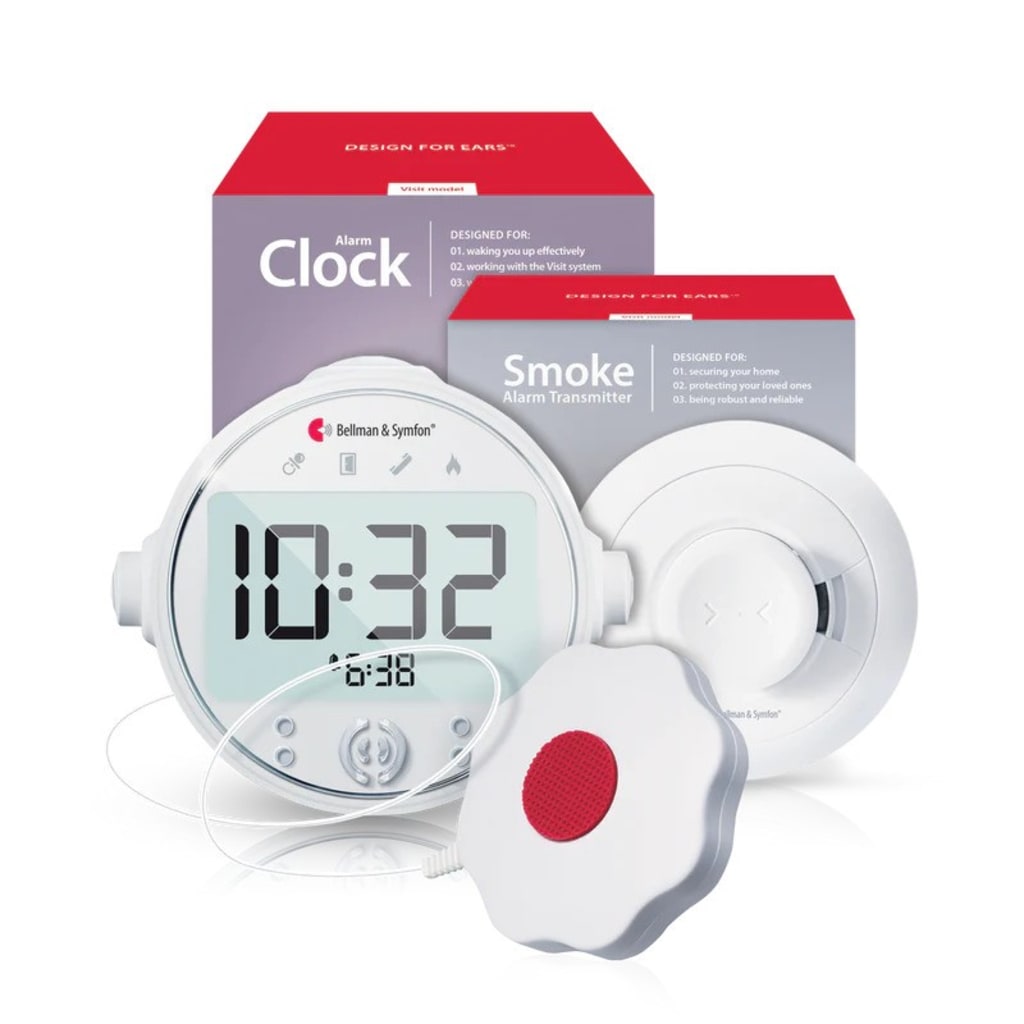
Hearing Impaired Smoke Detectors: Essential Safety for Every Home
Safety is paramount, especially in our homes, where we seek refuge and comfort. For those who are deaf or hard of hearing, ensuring safety can mean looking beyond traditional devices that rely on sound alone. Smoke detectors, essential for every home, are a prime example.
Standard alarms typically emit loud sounds to alert occupants, but these fall short for those with hearing impairments. Enter hearing impaired smoke detectors—devices specifically designed to keep everyone safe, regardless of hearing ability.
This article explores the critical features, benefits, and top choices for hearing impaired smoke detectors, providing valuable insights into choosing the right one for your home.
Why Hearing Impaired Smoke Detectors Are Crucial
Fire safety is a priority for every household, yet it requires specific adaptations for individuals with hearing loss.
Traditional smoke alarms depend on high-decibel sounds, which are ineffective if one cannot hear them. Hearing impaired smoke detectors address this need by incorporating alternative alert methods, such as intense strobe lights and bed shakers, ensuring that everyone can be notified in case of a fire.
These devices bring confidence and peace of mind, creating a safer environment for all.
Key Features of Smoke Detectors for the Hearing Impaired
Choosing the right smoke detector for those with hearing impairments involves understanding the unique features that make these devices effective. Here are the critical features to consider:
Visual Alerts: Bright strobe lights are a common feature, designed to capture attention visually. These flashing lights are typically very intense, ensuring they’re noticeable even when asleep.
Vibration Alerts: Some smoke detectors include bed shakers that produce strong vibrations, waking individuals up in case of an emergency. The shaker can be placed under a mattress or pillow, effectively alerting even heavy sleepers.
Combination Detectors: Many hearing impaired smoke detectors combine traditional sound alarms with visual and vibration alerts. This makes them ideal for multi-person households, accommodating both hearing and hearing-impaired individuals.
Interconnectivity: High-quality models often allow interconnection with other alarms in the house. If one alarm is triggered, others activate as well, ensuring a quick response.
Battery Backup: Fire alarms must function even during power outages, so many models offer battery backup. This feature provides uninterrupted protection.
How Do Hearing Impaired Smoke Detectors Work?
Hearing impaired smoke detectors work similarly to standard smoke alarms, using either ionization or photoelectric sensors to detect smoke. However, instead of just emitting loud sounds, they activate flashing lights and/or vibration features.
In models with bed shakers, a vibrating device is placed under a mattress or pillow. When smoke is detected, the bed shaker will vibrate, strobe lights will flash, and sometimes the alarm will sound, ensuring that even a heavy sleeper or someone in another room is alerted.
Benefits of Hearing Impaired Smoke Detectors
Investing in a hearing impaired smoke detector is more than just purchasing a fire safety device; it’s about creating an inclusive environment where safety is accessible to everyone.
Here are some significant benefits:
Enhanced Safety for All: These alarms make fire safety universal, allowing both hearing and hearing-impaired individuals to feel protected.
Immediate Alerts in Emergencies: By using multiple alert methods, these detectors ensure fast, reliable notification during a fire, increasing the chance of safe evacuation.
Peace of Mind: Family members, especially caregivers, can feel reassured knowing that their loved ones have a reliable alarm system in place.
Compliant with Regulations: Many places now have regulations that mandate the use of accessible fire alarms in public buildings, workplaces, and certain residential areas. Installing these detectors ensures compliance and safety.
How to Choose the Best Smoke Detector for Hearing Impaired Needs
Finding the ideal smoke detector for hearing-impaired individuals requires considering several factors:
Alarm Type: Look for models that offer both visual and vibration alerts. Combination alarms that include sound can be helpful for mixed households.
Sensitivity: Choose detectors with reliable sensitivity levels, such as dual-sensor alarms that detect both fast-burning and smoldering fires. This improves overall protection.
Placement Options: Some smoke detectors are wall-mounted, while others can be placed by the bedside. For maximum effectiveness, it’s often recommended to place a detector in every bedroom and major area in the home.
Power Source: Many smoke detectors for the hearing impaired are battery-powered with battery backup. Ensure batteries are regularly checked and replaced as needed.
Installing and Maintaining a Hearing Impaired Smoke Detector
Proper installation and maintenance are essential to ensure your hearing impaired smoke detector functions correctly. Follow these tips for optimal performance:
Placement: Install detectors in each bedroom, as well as in hallways, living rooms, and near the kitchen. Avoid placing them too close to kitchen appliances, as this can trigger false alarms.
Regular Testing: Test your smoke detectors monthly to ensure they’re working as expected. Most detectors have a test button, which allows you to verify their alarm sounds and visual alerts.
Replace Batteries Annually: For battery-powered detectors, replace batteries annually. Many devices will emit a “chirping” sound when batteries are low, signaling it’s time for replacement.
Clean Regularly: Smoke detectors can collect dust, which affects their sensitivity. Gently vacuum or wipe down the device to prevent dust buildup.
Frequently Asked Questions
Can hearing impaired smoke detectors be used in mixed households?
Yes, many models are designed for households with both hearing and hearing-impaired individuals. Combination alarms use sound, light, and vibration, making them effective for everyone in the home.
Is it necessary to have a bed shaker feature?
While not required, a bed shaker is highly recommended, especially for deep sleepers. Bed shakers provide strong, immediate alerts, making them an excellent addition to a smoke detector setup.
Can I install these detectors myself?
Yes, many models are user-friendly and can be installed with minimal tools. However, hardwired models may require professional installation to ensure proper functioning.
Are these detectors compatible with smart home systems?
Some hearing impaired smoke detectors are compatible with smart home systems, allowing for additional customization and alerts on mobile devices. Check the product specifications for compatibility details.
How often should I replace a hearing impaired smoke detector?
Smoke detectors generally need replacement every 7–10 years. Regularly check your device’s expiration date and test functionality to keep it in good working order.
What is the best type of alert for hearing impaired smoke detectors?
A combination of strobe lights and vibration is ideal. Strobe lights provide a strong visual alert, while vibrations, often delivered through a bed shaker, ensure wakefulness.
Conclusion: Prioritizing Safety with Hearing Impaired Smoke Detectors
Investing in a hearing impaired smoke detector is a critical step in ensuring a safe, accessible home environment. With the right model, you can create a fire safety system that protects everyone, regardless of hearing ability.
These devices provide multiple layers of alert options, including intense lights, bed shakers, and optional sound, ensuring timely alerts in any emergency.
By selecting a reliable smoke detector and maintaining it regularly, you’ll foster a safe and inclusive home for all occupants.
For more information on hearing impaired smoke detectors and other safety devices, explore our range of products designed specifically to meet the needs of the deaf and hard of hearing community.
About the Creator
Enjoyed the story? Support the Creator.
Subscribe for free to receive all their stories in your feed.
Comments
There are no comments for this story
Be the first to respond and start the conversation.