
Best Bagged Salt Options for Extreme Cold Conditions
Bagged Salt Options for Extreme Cold Conditions
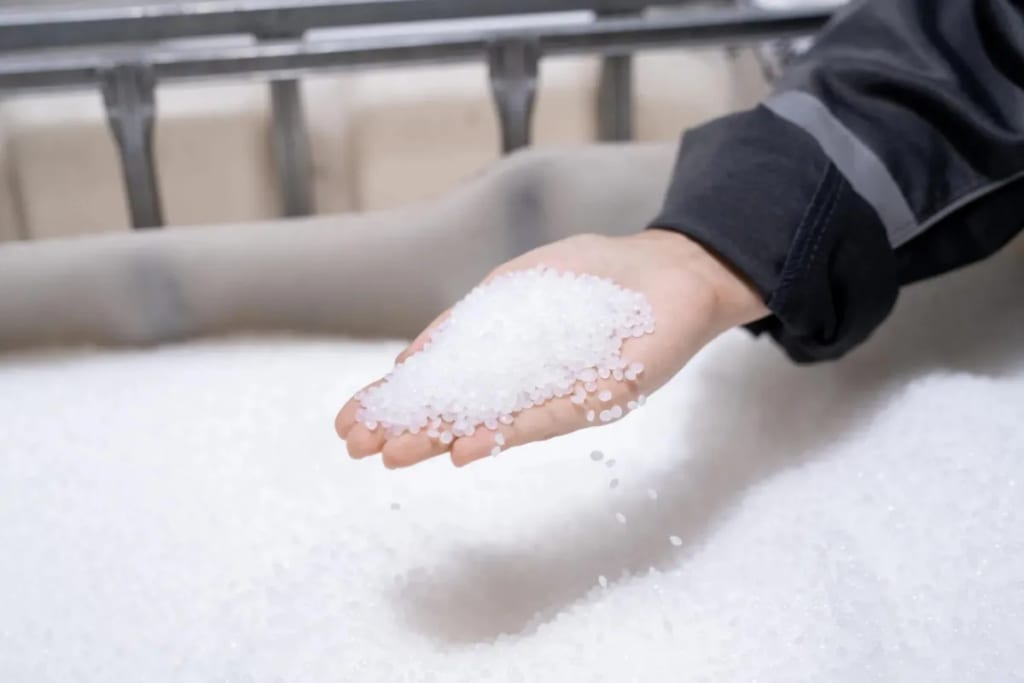
Winter can be challenging enough, but when temperatures plunge well below freezing, not all de-icing products are created equal. Standard rock salt, while affordable and widely used, becomes less effective as temperatures drop below 15°F (-9°C). For those living or working in regions where temperatures regularly drop to extreme lows, selecting the right bagged salt product can make the difference between safely navigating icy surfaces and facing hazardous conditions.
This guide examines the top bagged salt options for extreme cold conditions, comparing performance, cost, and use cases to help you make an informed decision for your home, business, or municipality.
Why Standard Rock Salt Falls Short in Extreme Cold
Rock salt, also known as halite, is the most common de-icer, working by lowering the freezing point of water. However, its melting power is temperature-dependent.
- Effective Range: Down to around 15°F (-9°C)
- Limitation: Melting slows dramatically below this temperature, allowing rock salt to sit unused on the surface.
In extreme cold conditions — such as -20°F (-29°C) wind chills — you need salts or blends specifically designed to work in those harsher environments. These products often contain additives or alternative chemicals that remain active at lower temperatures.
Key Factors to Consider When Choosing Bagged Salt for Extreme Cold
Before exploring specific options, consider the following factors:
- Lowest Effective Temperature – Always check the product label for its minimum performance temperature.
- Speed of Action – In severe cold, you want a product that starts working fast to prevent dangerous ice buildup.
- Surface Compatibility – Some salts can damage concrete, metal, or plants; choose accordingly.
- Environmental Impact – Certain chlorides can harm vegetation and waterways; eco-friendly options may cost more but are safer.
- Cost per Coverage Area – A more effective salt may cost more per bag but require less product per application.
1. Calcium Chloride Pellets
Best for: Extreme cold down to -25°F (-32°C)
Calcium chloride is one of the most effective de-icing agents for extreme cold because it generates heat when it dissolves in water — a process known as an exothermic reaction.
Pros:
- Works at much lower temperatures than rock salt
- Fast-acting, starts melting ice within minutes
- Less likely to leave residue on surfaces
Cons:
- Higher cost per bag
- Can be harsh on skin and certain surfaces if overused
Recommendation: Look for pellet form calcium chloride bagged salts from trusted brands. They spread evenly and penetrate thick ice quickly.
2. Magnesium Chloride Flakes
Best for: Cold conditions down to -13°F (-25°C)
Magnesium chloride is another strong performer in low temperatures, with a slightly higher minimum temperature than calcium chloride, but it generally has a gentler effect on concrete and vegetation.
Pros:
- Safer for concrete and plants than many alternatives
- Lower environmental impact compared to sodium chloride
- Works quickly on ice and snow
Cons:
- Not as effective as calcium chloride in the coldest extremes
- It can cost more than rock salt
Recommendation: Opt for the flake form for improved surface contact in icy conditions, particularly on sidewalks and driveways.
3. Treated Rock Salt Blends
Best for: Extreme cold down to -20°F (-29°C)
Traditional rock salt is combined with organic enhancers, calcium chloride, and magnesium chloride in these products. The blends extend the effective temperature range while keeping costs lower than pure premium salts.
Pros:
- Lower cost than pure calcium or magnesium chloride
- Extended cold-weather performance
- There are large amounts available for municipal or commercial use
Cons:
- Performance depends on blend quality
- May still cause some surface damage over time
Recommendation: Look for blends labelled specifically for extreme cold or “polar” conditions.
4. Potassium Acetate-Based Products
Best for: Ultra-cold and sensitive surfaces
Potassium acetate is often used in airport runways due to its low corrosiveness and effectiveness in very cold weather.
Pros:
- Extremely low corrosion
- Safe for concrete, metal, and the environment
Cons:
- Very expensive for residential use
- Not as widely available in bagged retail form
Recommendation: Best for specialty applications where surface protection is more important than cost.
5. Eco-Friendly Bagged Salt Alternatives
Best for: Extreme cold with minimal environmental harm
Some de-icing products now combine chlorides with organic-based additives, such as beet juice or corn byproducts. These solutions are effective at low temperatures and significantly reduce the impact of salt runoff.
Pros:
- Reduced chloride content for less environmental damage
- Good performance in extreme cold
- Sticks to surfaces better, reducing waste
Cons:
- Can leave a brownish residue
- Higher price than untreated rock salt
Recommendation: Great for environmentally conscious homeowners or businesses.
Best Practices for Using Bagged Salt in Extreme Cold
Even the best bagged salt won’t perform well without proper application and handling:
- Apply Before the Storm – Pre-treatment prevents ice from bonding to surfaces.
- Use the Right Amount – Overuse wastes product and increases environmental risk.
- Store Properly – Keep bagged salt in a dry, sealed environment to prevent clumping.
- Combine with Mechanical Removal – Shovel or plow before salting to maximize effectiveness.
- Rotate Between Products – Use premium salts only during the coldest days to save on costs.
Where to Buy the Best Bagged Salt for Extreme Cold
- Local Hardware Stores: Convenient for small quantities.
- Wholesale Suppliers: Best for contractors and municipalities.
- Online retailers are ideal for specialty products, such as eco-friendly blends.
- Seasonal Pre-Orders: Often available at a lower price before winter begins.
Final Thoughts
When extreme cold hits, standard rock salt is often insufficient to keep surfaces safe and ice-free. Products such as calcium chloride, magnesium chloride, and treated rock salt blends provide reliable performance in frigid conditions, ensuring that walkways, driveways, parking lots, and roadways remain safe.
The best choice for you depends on your region’s temperature extremes, budget, and environmental priorities. For homeowners in extremely cold areas, calcium chloride pellets or magnesium chloride flakes may be a worthwhile investment. For businesses or municipalities, treated rock salt blends strike a good balance between cost and performance.
In extreme winter weather, preparation is everything — and having the right bagged salt on hand before the temperatures plummet can mean the difference between safety and risk.
About the Creator
Daniel
Canada Salt is a trusted and reliable bulk road salt suppliers in Ontario catering to a wide range of industries.
Visit : https://canadasalt.ca/
Enjoyed the story? Support the Creator.
Subscribe for free to receive all their stories in your feed.
Comments
There are no comments for this story
Be the first to respond and start the conversation.