
Behind the Scenes: The Technology Stack of a Mobile Recharge Software Platform
Mobile Recharge Software Platform
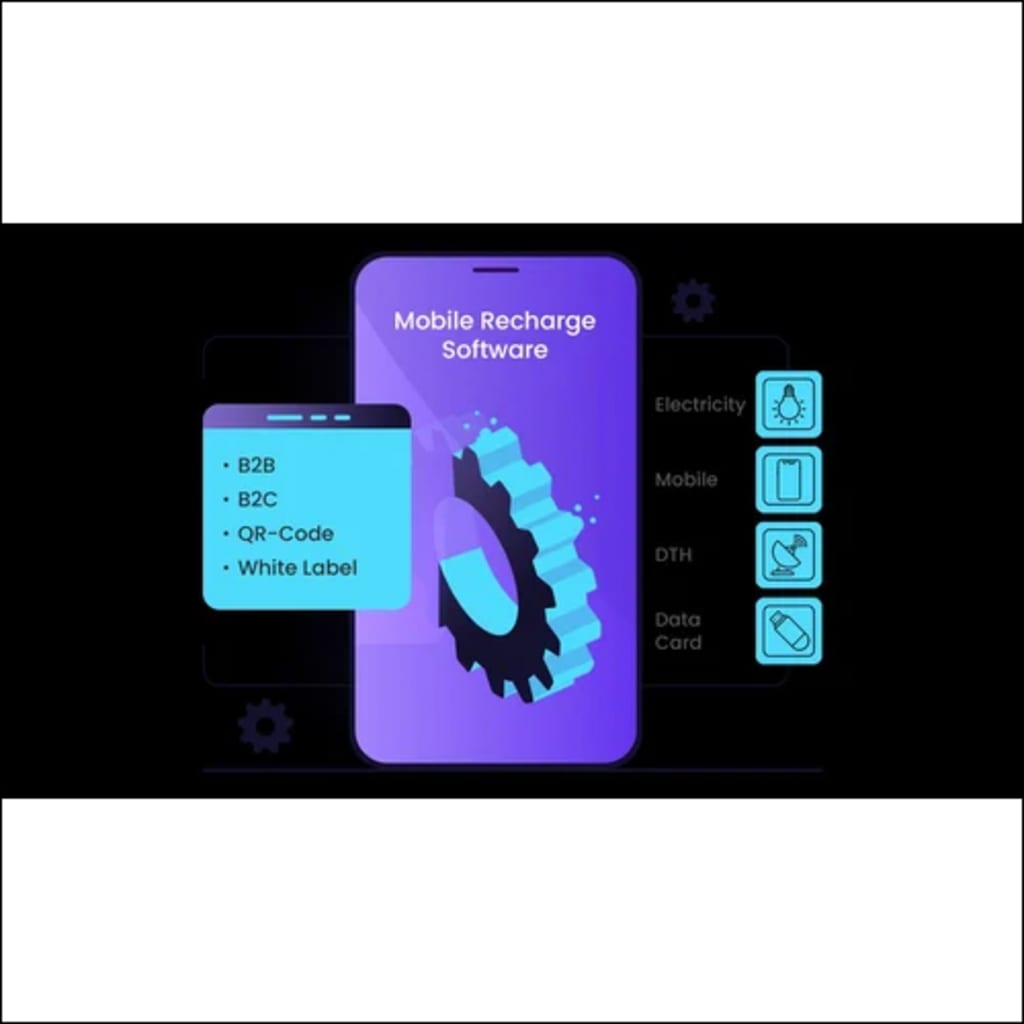
In the world of Mobile Recharge Software development, technology plays a key role in delivering a smooth and secure experience. Most users see only the front-end—where a few clicks can recharge a mobile number, pay a bill, or top-up a DTH connection—but the real magic happens behind the scenes. Platforms like noblewebstudio are powered by strong back-end systems, APIs, and secure data flows that make fast, reliable, and real-time recharges possible.
In this article, we’ll explore the technology stack behind mobile recharge software and how it all works together to serve retailers, distributors, and end-users across India.
What Is a Technology Stack?
A technology stack is the collection of software tools, frameworks, programming languages, and services used to build and run an application. For a mobile recharge platform, this stack includes:
Front-end technologies (what users see)
Back-end technologies (server, logic, APIs)
Database systems
Security layers
Third-party API integrations
Cloud hosting and scalability tools
Let’s break down each of these layers in the context of multi recharge software platforms.
1. Front-End (User Interface)
The front-end is the user-facing part of the software. It includes dashboards for:
Retailers
Distributors
Admin users
These panels are usually developed using:
HTML5, CSS3, JavaScript – for basic structure and styling
React.js or Angular – for dynamic interfaces and smooth navigation
Bootstrap – for responsive design on mobile and desktop
Retailers can log in, check wallet balances, perform recharges, view transaction reports, and download invoices—thanks to a user-friendly interface.
2. Back-End (Server & Business Logic)
The back-end is the heart of the platform. It manages everything behind the scenes, such as recharge logic, transaction routing, wallet updates, and API calling. Popular back-end technologies include:
Node.js or PHP – lightweight and fast scripting for recharge logic
Laravel Framework – a popular choice for building secure admin panels
Python (optional) – used for real-time analytics or reporting features
Each action performed by the user sends a request to the server, which processes it, interacts with the telecom APIs, and returns a real-time response.
3. Database Management
Every transaction, wallet update, or user login is stored securely in a database. Mobile recharge platforms rely on fast, scalable databases such as:
MySQL or PostgreSQL – used for structured data like user details, recharge records, and commissions
MongoDB – optional for handling unstructured logs or notifications
Redis – for fast caching of frequently used data
This ensures quick data access and helps in building reports, logs, and transaction history.
4. API Integrations
The backbone of mobile recharge software is its integration with telecom operator APIs and third-party services. These APIs allow the platform to connect with:
Mobile operators (Jio, Airtel, Vi, BSNL)
DTH providers (Tata Play, Dish TV, Airtel Digital TV)
BBPS billers (electricity, water, gas, broadband, insurance)
Payment gateways for wallet top-ups
SMS gateways for real-time alerts
The recharge request is passed through secure API calls, ensuring instant processing and status feedback.
5. Wallet and Payment Systems
Every retailer or distributor has a digital wallet in their account. The wallet:
Deducts amount on successful recharge
Allows online balance loading via UPI, IMPS, net banking
Shows detailed ledger of debit/credit entries
Payment systems are powered by secure payment gateways and SSL encryption, ensuring full protection of financial data.
6. Security Infrastructure
Security is critical when handling user data, money, and transactions. Key features include:
SSL certificates (HTTPS) – secure data transmission
JWT or OAuth tokens – for session handling
Two-factor authentication (2FA) – for login safety
Role-based access control (RBAC) – separates admin, distributor, and retailer rights
Firewall and DDoS protection – shields the platform from cyber attacks
Providers like noblewebstudio ensure that security is a top priority across all tech layers.
7. Cloud Hosting & Scalability
As user numbers grow, recharge software needs to handle more traffic and ensure uptime. That’s where cloud-based infrastructure comes in.
Platforms are hosted on reliable cloud services like:
AWS (Amazon Web Services)
Google Cloud Platform (GCP)
Microsoft Azure
These platforms offer:
Auto-scaling to handle traffic spikes
Load balancing for smooth performance
Real-time backups to prevent data loss
99.9% uptime for uninterrupted service
8. Reporting & Analytics
Admins and distributors need access to reports to monitor performance. Recharge platforms include:
Transaction reports
Commission breakdowns
Failed recharge logs
Wallet summary
User activity logs
These are often built using BI tools or built-in analytics frameworks to give full visibility into daily operations.
Why Noblewebstudio Stands Out
As a leader in Mobile Recharge Software development, noblewebstudio delivers powerful software backed by:
A modern and secure tech stack
Lightning-fast API processing
24/7 support and platform monitoring
Customizable commission setups
Easy branding for B2B and white-label clients
Whether you’re a new retailer or an established distributor, noblewebstudio’s platform can handle large volumes with zero downtime.
Final Thoughts
Understanding the technology stack behind a mobile recharge software platform helps you see the real value of these digital systems. It’s not just about recharges—it's about building secure, scalable, and user-friendly platforms that support financial inclusion, drive income for retailers, and offer seamless digital services to millions.
As India continues its digital transformation, solutions developed by companies like noblewebstudio will play a key role in shaping the future of recharge, bill payment, and mobile commerce.
About the Creator
Enjoyed the story? Support the Creator.
Subscribe for free to receive all their stories in your feed.
Comments
There are no comments for this story
Be the first to respond and start the conversation.