
Beginner’s Guide to Gymnastics Bars: Starting Your Journey
Gymnastics Bars

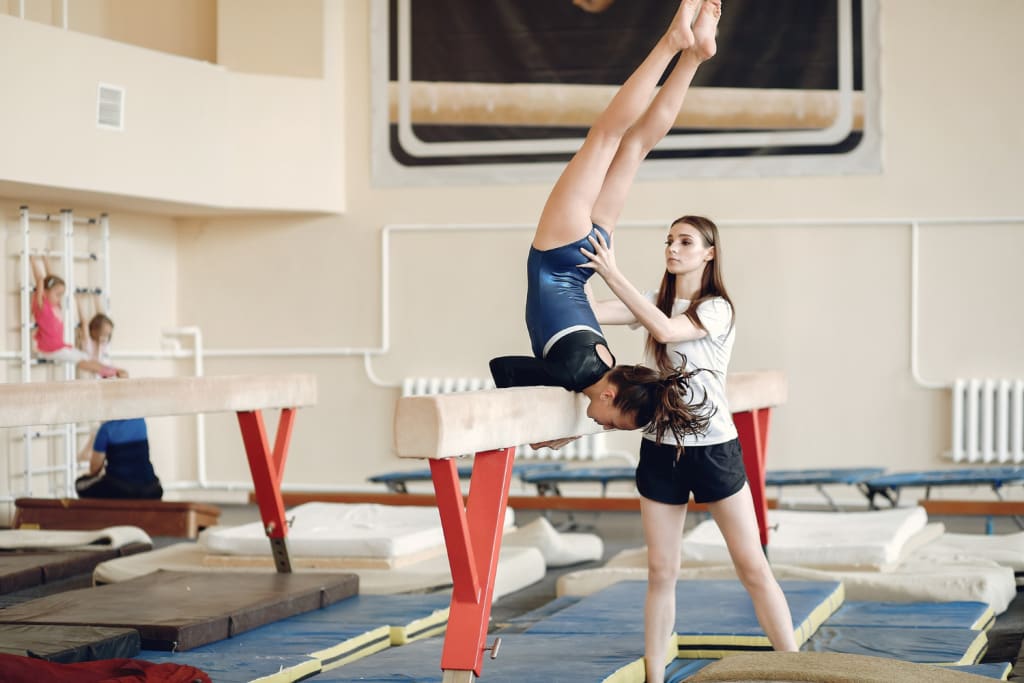
Starting gymnastics at home can be an exciting and rewarding journey. Whether you’re a parent helping your child build foundational strength or a young athlete exploring the sport for the first time, Gymnastics Bars offer a fantastic way to develop coordination, upper-body power, and technique.
In this beginner’s guide, we’ll cover everything you need to know about getting started with Gymnastics Bars, from choosing the right equipment to simple exercises and safety tips. With the right approach and consistent practice, you’ll be building skills—and confidence—in no time.
Why Gymnastics Bars Are Great for Beginners
Gymnastics Bars are one of the most versatile training tools in the sport. They help develop core and arm strength, improve grip, and teach body control. For beginners, especially younger gymnasts, they offer a safe and structured way to learn key skills such as pullovers, casts, and hip circles.
Home-based bars are increasingly popular, especially when paired with additional training aids like an Airtrack, which provides a cushioned surface for landings, stretching, or warm-up drills.
Choosing the Right Gymnastics Bar for Home Use
Before diving into drills, it’s important to choose the right Gymnastics Bar setup. Home-use bars come in various forms, but the best beginner bars are typically:
Adjustable in height – to accommodate growth and different skill levels
Stable and secure – with a strong base and anti-slip features
Easy to assemble and store – especially if space at home is limited
Pairing a bar with an Airtrack can enhance safety and create a more flexible training environment. The Airtrack acts as a soft, springy base beneath the bar, making it easier to practise dismounts and protect against falls.

Basic Equipment Checklist
To start practising at home, consider the following:
A sturdy Gymnastics Bar suitable for home use
An Airtrack or crash mat to cushion landings
Grips or chalk for better hand support (optional but useful)
Adequate floor space with no nearby furniture or hazards
Safety should always come first. Ensure the bar is set up on a level surface and that young gymnasts are supervised, particularly when first starting out.
5 Simple Exercises for Beginners
Here are five basic exercises that are ideal for beginners using Gymnastics Bars. They help build strength, develop technique, and build confidence.
1. Hanging Hold
This simple drill builds grip strength and familiarises beginners with the feel of the bar.
Grab the bar with both hands, feet off the ground.
Hold the position for 10–20 seconds.
Keep the core tight and shoulders engaged.
Try this above an Airtrack for added comfort and confidence during early practice.
2. Tuck Holds
Tuck holds develop core strength and are a precursor to more advanced bar movements.
Hang from the bar.
Pull your knees up to your chest and hold.
Start with 5–10 seconds and build up over time.
This is a great conditioning move and helps improve body awareness.
3. Pull-Ups (Assisted or Full)
Building upper-body strength is key to progressing in gymnastics. Start with assisted pull-ups if needed.
Hang from the bar with arms extended.
Pull your chin above the bar, then lower slowly.
Use a resistance band or partner support if full pull-ups are too difficult at first.
4. Leg Raises
Great for developing core strength and improving control on the bar.
Hang from the bar.
Slowly raise your legs straight out in front.
Lower with control—avoid swinging.
This movement complements tumbling work done on an Airtrack and contributes to total-body control.
5. Skin-the-Cat (For Older Beginners)
This is a slightly more advanced move but an excellent way to improve shoulder mobility and bar control.
Hang from the bar.
Tuck your knees and rotate your body backward under the bar.
Come back through the same motion.
Always practise over a mat or Airtrack, and only attempt under supervision if you're new to the movement.
Tips for Safe Practice
Always warm up before using the Gymnastics Bar.
Ensure the bar is locked and stable before each session.
Supervise children and ensure they understand how to dismount safely.
Use mats or an Airtrack underneath for safety.
Don’t rush into advanced moves—focus on form first.
Combining Gymnastics Bars with Other Equipment
While Gymnastics Bars focus on upper-body and core strength, combining them with other equipment like an Airtrack adds variety to your training. Airtracks offer a springy, forgiving surface ideal for floor routines, flexibility drills, and landing practice.
Training across multiple apparatuses not only builds a well-rounded athlete but also keeps sessions fun and engaging, particularly for younger gymnasts.
Conclusion
Getting started with Gymnastics Bars at home is a smart and exciting way to develop strength, confidence, and foundational skills. With the right equipment, a safe setup, and a handful of beginner-friendly exercises, gymnasts can progress steadily and enjoy their training.
Add in tools like an Airtrack to improve comfort and safety, and your home becomes a practical space for growth. Whether you're training for fun, fitness, or competition, your journey with Gymnastics Bars begins with consistency and the right mindset.
About the Creator
Enjoyed the story? Support the Creator.
Subscribe for free to receive all their stories in your feed.
Comments
There are no comments for this story
Be the first to respond and start the conversation.