
Become Your Boss with Trucking Authority
Become Your Boss with Trucking Authority

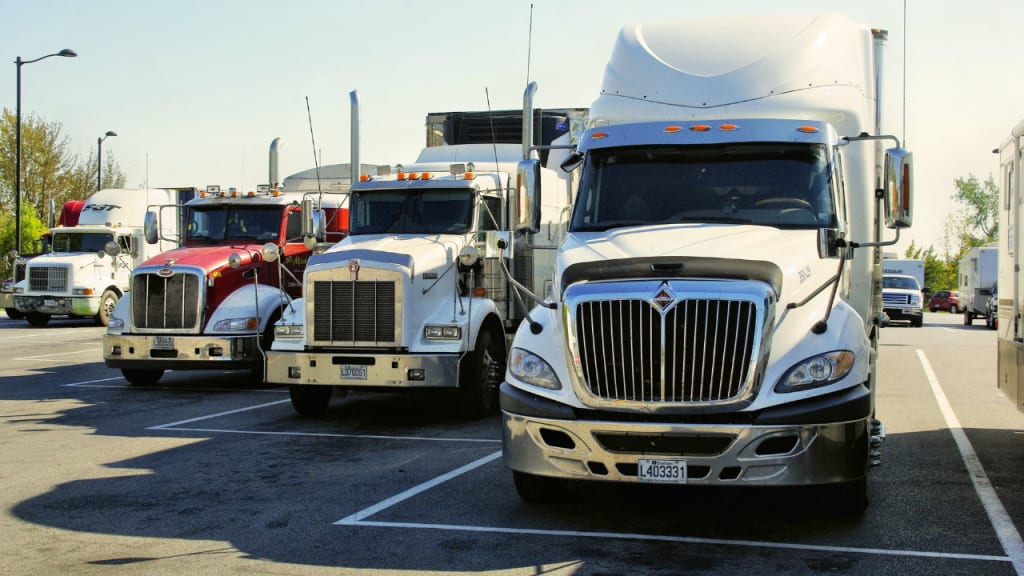
What is Trucking Authority?
Trucking Authority is a term used to refer to the legal authority that is required to operate a commercial truck, bus, or another motor vehicle for hire. It is issued by the Federal Motor Carrier Safety Administration (FMCSA) and is sometimes referred to as an operating authority, or a motor carrier permit. The authority includes rules and regulations governing the operation of a commercial vehicle, such as vehicle size and weight, hours of service, and other safety standards. It is required for any business or individual that transports goods or passengers
Need to have Multiple Authorities
Yes, having multiple authorities is important for many reasons. Multiple authorities can provide more robust security, as well as increased accountability and transparency. This can be especially important in the case of a government or corporate organization. For example, having multiple authorities can provide checks and balances to ensure that decision-making is not concentrated in a single person or group. Additionally, having multiple authorities can help ensure that decisions are made in a fair and equitable way, as well as allow for different perspectives to be considered. Furthermore, multiple authorities can help protect against potential conflicts of interest, as well as ensure that different interests are taken into account.
Benefits of having Trucking Authority
1. Reduce Expenses: Having a trucking authority can help you reduce costs associated with operating a trucking business. This can include registration fees, insurance costs, and other administrative costs.
2. Improve Efficiency: With a trucking authority, you can streamline and optimize your business operations. This can include using advanced tracking and optimization technologies and utilizing best practices for fuel efficiency, route planning, and driver safety.
3. Increase Revenue: By properly managing your trucking authority, you can maximize your profits. This can include setting competitive rates, negotiating better deals with shippers, and improving customer service.
4. Reduce Risk: Properly managing your trucking authority can help mitigate the risk associated with operating a trucking business. This can include making sure that you are compliant with all state and federal regulations and having a good safety record.
5. Gain Credibility: Having a trucking authority can help you gain credibility in the industry and with potential customers. This can help you attract new customers and retain existing ones.
6. Simplify Compliance: A trucking authority can help simplify the process of complying with state and federal regulations. This can include making sure you are up to date on all registration requirements, insurance requirements, and other compliance regulations.
7. Reduce Operating Expenses: A trucking authority can help reduce operating expenses by providing access to competitive freight rates, negotiating better fuel and maintenance discounts, and helping to find more efficient routes. This can help save money on overall operating costs and help increase profit margins.
Pre-Trucking Authority Process Actions
1. Obtain a USDOT number- To obtain a USDOT number, you must first register with the Federal Motor Carrier Safety Administration (FMCSA). You can do this by visiting their website at fmcsa.dot.gov/registration and completing the online registration process. Once registered, you will be given a USDOT number that is valid for two years.
2. Get a federal motor carrier safety rating- To get a federal motor carrier safety rating, you must first register your business with the Federal Motor Carrier Safety Administration (FMCSA). Once you are registered, the FMCSA will conduct an on-site audit of your business operations to determine your safety rating. The audit includes a review of records, vehicle inspections, and driver qualifications. After the audit is complete, the FMCSA will assign your business a safety rating. The rating will range from “satisfactory” to “unsatisfactory.”
3. Register with the Federal Motor Carrier Safety Administration (FMCSA) - To register with the Federal Motor Carrier Safety Administration, you must first obtain a Motor Carrier (MC) number from the U.S. Department of Transportation (DOT). This number is used to identify your business when filing reports and paying fees. To obtain an MC number:
1. Complete the Motor Carrier Identification Report (Form MCS-150).
2. Submit the form to the FMCSA.
3. Pay the applicable fees.
Once you have obtained an MC number, you can register with the FMCSA. To do so:
1. Visit the FMCSA’s website.
2. Create an account with the FMCSA.
3. Enter your MC number.
4. Submit the registration.
5. Pay any applicable fees.
Once you have registered with the FMCSA, you will be able to access its services, such as filing reports and paying fees.
4. Get a USDOT medical card.
5. Obtain a Commercial Driver's License (CDL).
6. Get an International Fuel Tax Agreement (IFTA) license.
7. Register as an independent contractor (if applicable).
8. Obtain a UCR registration.
9. Get a trucking insurance policy.
10. Complete a hazardous materials training course- Yes, hazardous materials training courses are available at many locations. Such courses can be found through local community colleges and private training companies.
Conclusion - If you’re looking to become an independent trucker and take control of your career, Trucking Authority is the perfect solution. With Trucking Authority, you can take charge of your career by obtaining a trucking authority and getting an MC number, as well as a USDOT number. The company guides you through the entire process to ensure that you have everything you need to become your own boss. With their help, you can get started quickly and start making money as an independent trucker.
About the Creator
Britain Yellen
I am Britain Yellen, I work for NITIC Company, Truck Insurance NITIC offers an assortment of inclusion choices, Primary Liability, Physical Damage, Motor Truck Cargo, Non-Trucking Liability and Short Term or Temporary Insurance.
Enjoyed the story? Support the Creator.
Subscribe for free to receive all their stories in your feed.
Comments
There are no comments for this story
Be the first to respond and start the conversation.