
Bank of Japan Signals Readiness for Faster Rate Hikes as Inflation Pressures Build
July Meeting Minutes Reveal Board Shift Toward Aggressive Tightening September Rise to 1.25% Marks 31-Year High, with October or December Move Now Widely Expected

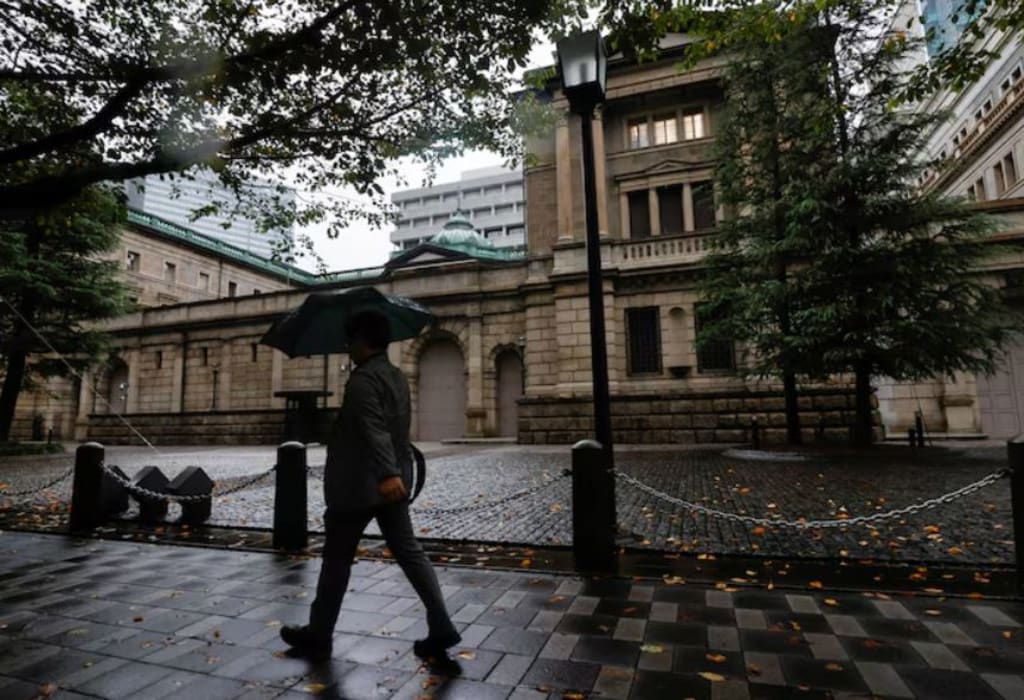
Minutes from the Bank of Japan’s July policy meeting have laid bare a growing consensus among board members that interest rates may need to rise more quickly than markets currently anticipate, as persistent inflationary pressures and a weaker yen keep price dynamics tilted firmly upward. The central bank held rates steady at 1% in July following a June increase, but the record of the discussion shows a clear shift in focus away from generating inflation and toward ensuring it does not become entrenched above the 2% target. That shift was followed in September by a further rate rise to 1.25%, the highest level since 1995, and financial markets are now pricing in additional moves as early as the next scheduled meeting on October 29–30 or in December.
Several members of the nine-member policy board expressed concern that waiting too long to act could carry significant risks. One noted that while markets had come to expect roughly six months between adjustments, the pace might need to accelerate given that underlying inflation had drawn close to the 2% goal and upside price risks were becoming more pronounced. Another argued that the bank must respond nimbly to emerging pressures, while a third went further, warning that the cost of delay was no longer marginal and that the economy could suffer substantial harm if inflation risks were allowed to materialise. These remarks collectively signal that the gradual, cautious approach that defined the BoJ’s exit from ultra-loose monetary policy is giving way to a more proactive stance, one that treats rising prices as the primary threat to stability.
The drivers behind this shift are visible across multiple fronts. The conflict in the Middle East has kept energy costs elevated, while a persistently weak yen has raised the price of fuel, raw materials, and imported goods more broadly. These cost increases are no longer confined to wholesale or commodity markets; they are spreading into services and domestic demand. Separate data released on September 28 showed Japan’s corporate services inflation reaching a two-year high in August, a clear indication that price growth is broadening beyond goods sectors and becoming embedded in the day-to-day costs of running businesses and delivering services. Long-term inflation expectations among both households and companies are also edging higher, and one board member emphasised the critical need to assess whether these expectations are settling sustainably around the 2% target, a threshold that, once crossed, would make higher wage demands and price setting far more persistent.
Part of the urgency stems from where Japan’s benchmark rate stands relative to estimates of the so-called neutral rate, the theoretical level that neither stimulates nor restricts economic growth. Most assessments place Japan’s neutral rate somewhere between 1.1% and 2.5%, meaning that even after the September rise to 1.25%, policy remains accommodative. One board member noted explicitly that with rates still below the lower end of that estimated range, further increases are essential to building a solid foundation for policy normalisation and ensuring the central bank retains flexibility to respond as conditions evolve. This structural consideration that policy is still providing substantial stimulus reinforces the case for continued tightening even as other major central banks approach or enter holding patterns.
Analysts widely expect the BoJ to upgrade its inflation forecasts in the quarterly outlook report accompanying the October meeting, a revision that would clear the way for another rate increase before the year closes. Market sentiment has already shifted in response: the yield on the benchmark 10-year Japanese government bond climbed to 3.115% on Friday, its highest level since August 1996, as investors priced in the likelihood of higher borrowing costs ahead. What began as a measured exit from decades of ultra-low rates is evolving into a more determined campaign to keep inflation in check, and the message from the July minutes is clear: the era of moving cautiously and slowly is drawing to a close.
About the Creator
Mark Lim
Hi I am mark an automotive student and a car, tech and food enthusiast ! Im gonna try and post daily & hope you enjoy what I write and do share my page with people you know. I would gladly appreciate it! Cheers
Enjoyed the story? Support the Creator.
Subscribe for free to receive all their stories in your feed.
Comments
There are no comments for this story
Be the first to respond and start the conversation.