
Avocado: A Nutrient-Rich Super fruit with Health Benefits
The consumption of avocados and its health benefits.
Bio :
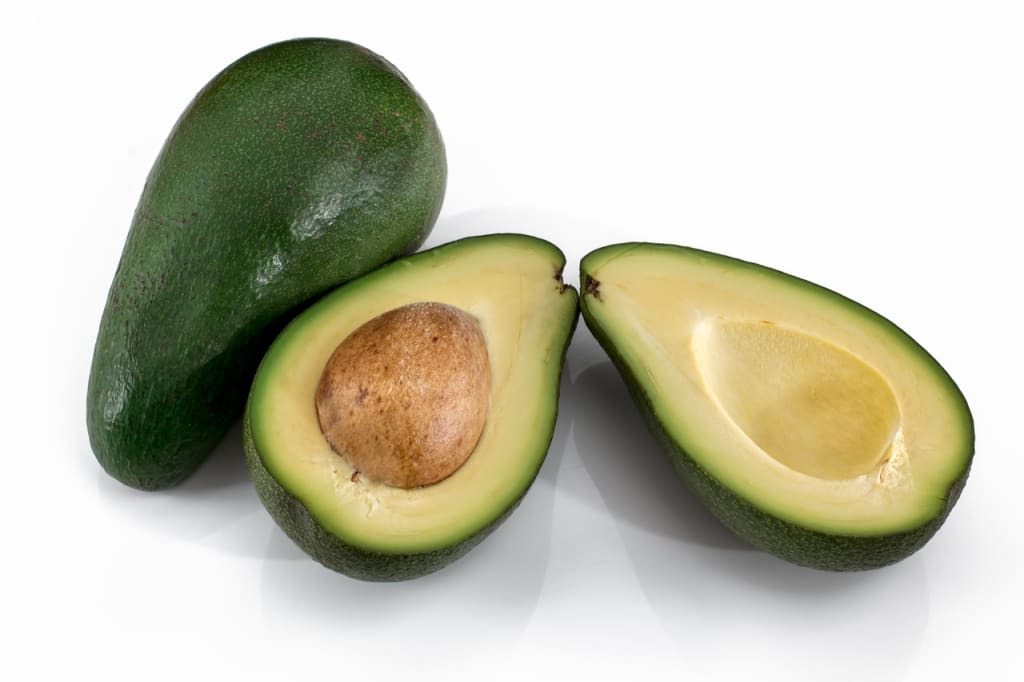
Avocado often hailed as the "alligator pear," has risen to prominence as a nutrient-packed super fruit, captivating the taste buds of health-conscious individuals worldwide. This pear-shaped wonder is not just a delicious addition to various dishes but also boasts an impressive array of health benefits.
Summary: Originating from Central and South America, avocados have gained global popularity due to their rich flavor and creamy texture. This super fruit is characterized by its high content of healthy monounsaturated fats, fiber, vitamins (C, E, K, and various B vitamins), and minerals, particularly potassium. Avocados contribute to heart health, aid in digestion, and provide a sense of fullness, making them a favorable choice for weight management. Additionally, their antioxidants, including lutein and zeaxanthin, promote eye health. The versatility of avocados extends to various culinary uses and skincare products, making them a symbol of holistic wellness. In essence, avocados stand out as a delicious and nutrient-packed addition to a healthy lifestyle, offering a range of benefits for overall well-being.
Title: Avocado: A Nutrient-Rich Super fruit with Health Benefits
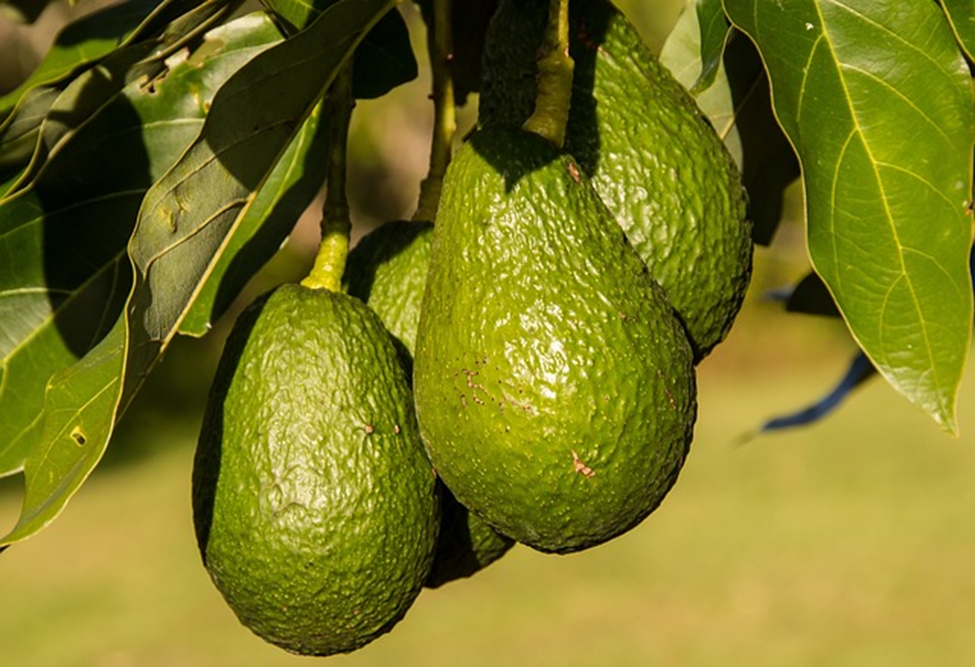
Avocado, scientifically known as Persea americana, is a versatile and nutrient-rich fruit that has gained widespread popularity for its unique flavor, creamy texture, and numerous health benefits. Native to south-central Mexico, avocados are now cultivated in various parts of the world with diverse climates. This article delves into the origins, nutritional composition, health benefits, culinary uses, and the global impact of the avocados.
1. Historical Background:
The history of avocados dates back thousands of years, with evidence suggesting that they were first cultivated in what is now known as Mexico. The Aztecs revered avocados and believed in their aphrodisiac properties, associating the fruit with fertility and love. Spanish explorers later introduced avocados to Europe, and eventually, their cultivation spread to other continents.
2. Nutritional Composition:
One of the primary reasons for the popularity of avocados is their exceptional nutritional profile. These fruits are rich in healthy monounsaturated fats, particularly oleic acid, which is also found in olive oil. Avocados are a good source of essential nutrients, including:
a. Healthy Fats: Avocados are known for their high content of monounsaturated fats, which contribute to heart health by reducing bad cholesterol levels.
b. Fiber: Avocados are an excellent source of dietary fiber, promoting digestive health and contributing to satiety.
c. Vitamins: Avocados contain various vitamins, including vitamin K, vitamin E, vitamin C, and several B vitamins. These vitamins play crucial roles in immune function, skin health, and overall well-being.
d. Minerals: Avocados provide essential minerals such as potassium, magnesium, and copper, supporting various physiological functions, including nerve function and bone health.
3. Health Benefits:
Consuming avocados offers a multitude of health benefits, making them a valuable addition to a balanced diet. Some of the key advantages include:
a. Heart Health: The monounsaturated fats in avocados contribute to cardiovascular health by lowering bad cholesterol levels and reducing the risk of heart disease.
b. Weight Management: Despite being relatively calorie-dense, avocados can aid in weight management due to their high fiber content, promoting feelings of fullness and reducing overeating.
c. Blood Sugar Regulation: Avocados have a low glycemic index and may help regulate blood sugar levels, making them a suitable option for individuals with diabetes.
d. Eye Health: The presence of lutein and zeaxanthin in avocados supports eye health by reducing the risk of age-related macular degeneration and cataracts.
e. Anti-Inflammatory Properties: The combination of various antioxidants and phytochemicals in avocados contributes to their anti-inflammatory properties, potentially reducing the risk of chronic diseases.
4. Culinary Uses:
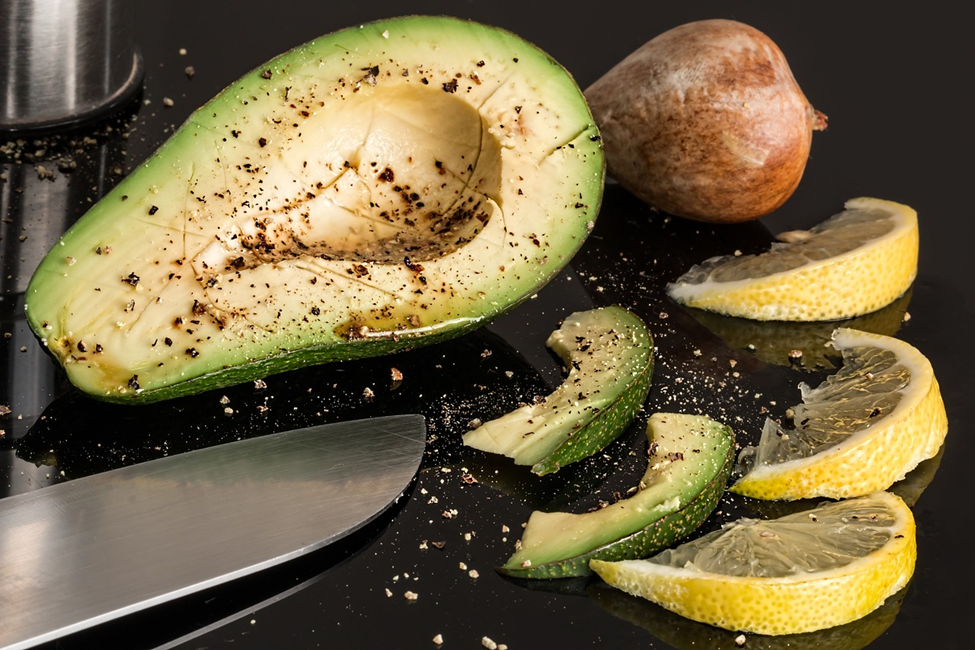
Avocados are renowned for their versatility in the culinary world. Their mild, creamy flavor pairs well with a wide range of dishes. Some popular culinary uses of avocados include:
a. Guacamole: Perhaps the most famous preparation, guacamole is a dip made by mashing avocados and combining them with ingredients like tomatoes, onions, cilantro, lime juice, and spices.
b. Salads: Sliced avocados add a creamy texture to salads, enhancing both the taste and nutritional content.
c. Sandwiches and Wraps: Avocado slices or mashed avocado can be used as a healthy and flavorful substitute for traditional spreads or dressings.
d. Smoothies: Adding avocados to smoothies enhances their texture while providing a nutritional boost.
e. Desserts: Avocados can be used in desserts such as chocolate mousse, where their creamy texture replaces traditional dairy ingredients.

5. Global Impact:
The global demand for avocados has skyrocketed in recent years, driven by increasing awareness of their health benefits and culinary versatility. This surge in popularity has led to significant economic impacts on regions where avocados are cultivated. Countries like Mexico, Peru, and Chile are major exporters, and the avocado industry has become a vital component of their economies.
However, the avocado industry also faces challenges, including environmental concerns and ethical considerations. The cultivation of avocados, particularly in regions with high biodiversity, has raised issues related to deforestation and water usage. Additionally, there have been reports of social and labor issues in some avocado-producing areas, prompting discussions about sustainable and ethical practices within the industry.
Conclusion:
Avocados stand out not only for their delightful taste and creamy texture but also for their exceptional nutritional content and health benefits. As consumers continue to prioritize wellness and seek diverse, nutrient-rich foods, avocados have become a staple in many diets worldwide. Balancing the appreciation for this superfruit with awareness of its environmental and ethical implications is crucial for ensuring a sustainable and responsible avocado industry. Whether enjoyed as a spread, dip, or standalone snack, the avocado's journey from its ancient roots to its present-day global popularity is a testament to its enduring appeal.
About the Creator
William Roosevelt Purification
I am a digital marketer and content creator proficient in graphic design, video editing, WordPress website development, and data analysis. I am particularly passionate about e-commerce and affiliate marketing.
Enjoyed the story? Support the Creator.
Subscribe for free to receive all their stories in your feed.
Comments
There are no comments for this story
Be the first to respond and start the conversation.