
Automotive Bushing Market: The Small Part with Huge Impact
How tiny components shape ride comfort, durability, and vehicle safety
Hook Intro
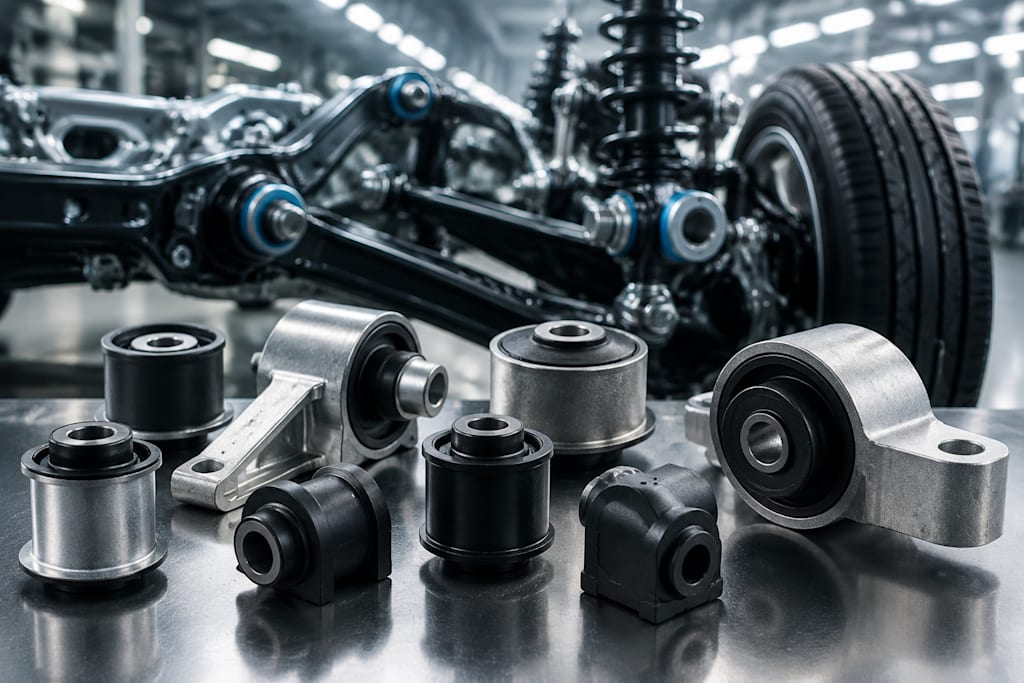
When a car glides over a pothole, when the steering feels steady on a winding road, or when the cabin remains quiet on a rough surface, there is one silent hero responsible for that experience: the bushing. It is small, but it absorbs shock, isolates vibration, and improves every ride.
These seemingly invisible components play a vital role inside suspension systems, engine mounts, steering linkages, and chassis assemblies. They define comfort, influence handling, and protect metal parts from wear. At the center of this performance story lies the Automotive Bushing Market, where materials science, precision engineering, and mobility needs intersect.
Why Automotive Bushings Are Essential
Automotive bushings are designed to absorb vibration and reduce friction between moving parts. They cushion impacts, minimize noise, and smooth interaction between suspension components. Without them, vehicles would feel rough, unstable, and far less reliable.
The Automotive Bushing Market size is supported by global vehicle production and aftermarket replacement demand. As vehicles become more complex, with tighter tolerances and greater performance expectations, the quality and quantity of bushings per vehicle also rise.
Market Dynamics and Share
The Automotive Bushing Market share is influenced by both original equipment manufacturing and aftermarket segments. Original equipment demand is tied to vehicle production volumes as manufacturers install bushings during assembly. The aftermarket segment reflects replacement needs as bushings wear over time due to mileage and environmental stress.
Different bushing materials — rubber, polyurethane, and metallic compounds — serve specific performance needs. Rubber remains popular for its balance of comfort and cost, while polyurethane is often used in performance vehicles for increased responsiveness.
Regionally, markets with high vehicle production and aging fleets show strong demand for both new vehicle assembly and aftermarket replacements. This diverse demand base reinforces market stability and long term relevance.
Trends Shaping Automotive Bushing Demand
Several Automotive Bushing Market trends are redefining how manufacturers and users approach these components.
• Advanced materials: New polymers and elastomers improve lifespan and absorb vibration more effectively.
• Performance optimization: Sporty and off‑road vehicles increasingly use stiffer bushings for better handling feedback.
• Lightweight design: Bushings contribute to overall vehicle weight reduction when combined with optimized component design.
• Aftermarket growth: Ease of replacement and consumer demand for improved ride quality drive aftermarket sales.
These trends reflect broader industry priorities where comfort, efficiency, and longevity matter.
Challenges and Technical Considerations
Despite steady interest, the market faces challenges. Bushings operate in harsh environments with temperature swings, moisture, and road debris. Ensuring consistent performance across these conditions requires rigorous testing and quality control.
Compatibility with suspension geometry and vehicle dynamics also demands precise engineering. Misaligned or poorly designed bushings can accelerate tire wear or compromise handling.
Manufacturers address this through advanced prototypes, computer simulations, and extended durability trials to ensure components meet diverse conditions.
Looking Ahead at Growth and Innovation
The Automotive Bushing Market forecast points to continued demand driven by vehicle production, aftermarket replacement cycles, and improvements in bushing design. As customer expectations rise for smoother rides and quieter cabins, manufacturers will invest further in materials and production processes that enhance bushing performance.
Advanced bushings may also integrate with sensor systems in smart vehicles, feeding data on component health and wear into predictive maintenance platforms. This would help fleet operators plan servicing more effectively.
Though small in size, bushings play a large role in vehicle performance and user comfort.
About the Creator
Enjoyed the story? Support the Creator.
Subscribe for free to receive all their stories in your feed.
Comments
There are no comments for this story
Be the first to respond and start the conversation.