
Automation and Robotics: The Backbone of Future Manufacturing
What it the Backbone of Future Manufacturing?
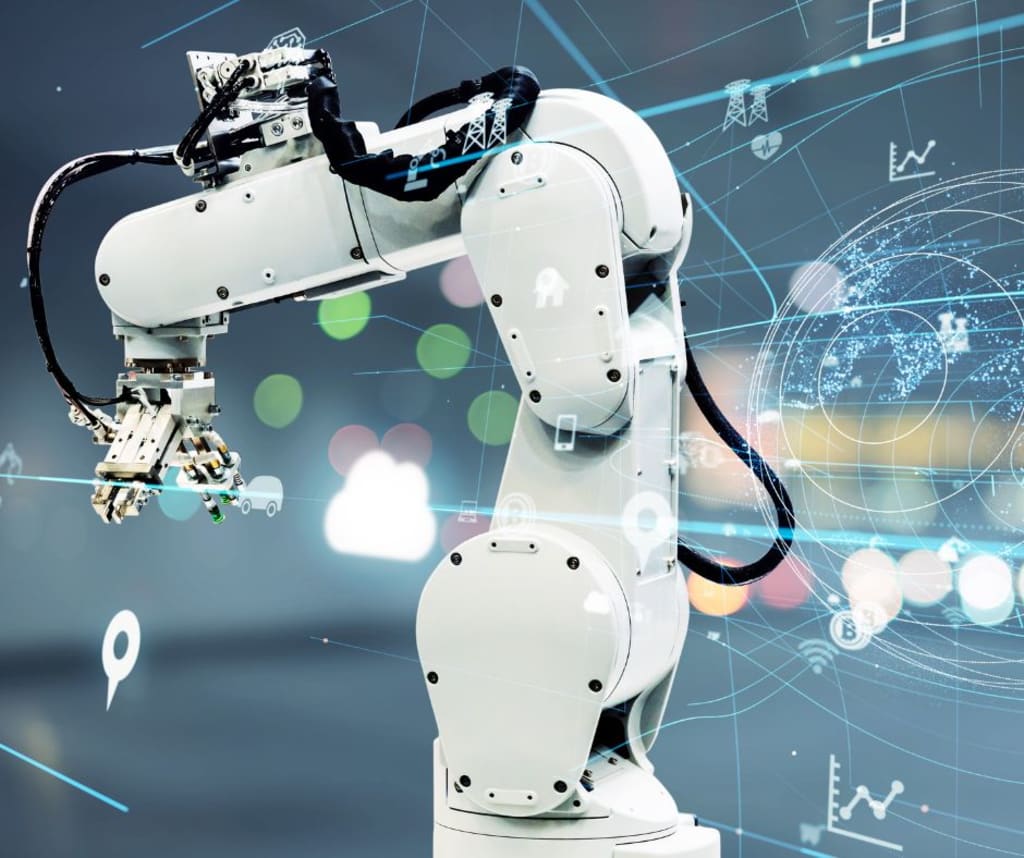
The manufacturing industry is undergoing a revolutionary transformation, driven by automation and robotics. As businesses strive for increased efficiency, precision, and cost-effectiveness, integrating advanced robotic systems has become a necessity rather than a luxury. This shift is shaping the Factory of the Future Technology, where intelligent machines and automation are seamlessly integrated into production lines to optimize operations.
The Role of Automation in Modern Manufacturing
Automation involves using technology to perform tasks that traditionally required human intervention. In manufacturing, automation has led to the development of smart factories, where machines handle repetitive, high-precision tasks, reducing errors and increasing productivity. From assembling components to quality inspection and packaging, automation ensures consistency, reliability, and efficiency across production processes.
Benefits of Automation in Manufacturing:
- Enhanced Productivity: Automated systems operate 24/7 without fatigue, increasing production rates and meeting high market demands.
- Improved Accuracy and Consistency: Machines perform tasks with unparalleled precision, reducing defects and ensuring high-quality standards.
- Cost Savings: Automation minimizes labor costs and waste, improving overall profitability.
- Worker Safety: Dangerous tasks are assigned to robots, reducing workplace accidents and injuries.
- Scalability: Automated systems can easily be adjusted to meet changing production needs, making them ideal for businesses of all sizes.
The Role of Robotics in Manufacturing
Robotics takes automation a step further by incorporating intelligent, programmable machines into the manufacturing process. These robots, equipped with sensors, AI, and real-time analytics, can adapt to complex tasks and improve operational efficiency.
Types of Robots in Manufacturing:
- Industrial Robots: Used for repetitive tasks like welding, painting, and assembly, these robots enhance speed and accuracy.
- Collaborative Robots (Cobots): Designed to work alongside humans, cobots increase efficiency while ensuring safety.
- Autonomous Mobile Robots (AMRs): These robots navigate factory floors independently, optimizing logistics and material handling.
- AI-Powered Robots: Integrated with artificial intelligence, these robots learn from data, making intelligent decisions and improving production outcomes.
How Automation and Robotics Are Shaping the Factory of the Future
The concept of the Factory of the Future Technology revolves around intelligent automation, intercon nected systems, and real-time data analytics. By integrating robotics with IoT, AI, and cloud computing, factories are becoming smarter, more agile, and efficient.
Key Technologies Driving the Factory of the Future:
- Artificial Intelligence (AI) & Machine Learning: AI-powered robots analyze data in real-time, optimizing workflows and predicting maintenance needs.
- Industrial IoT (IIoT): Sensors and smart devices collect and exchange data, improving machine performance and reducing downtime.
- Digital Twins: Virtual replicas of physical production systems allow manufacturers to simulate processes and enhance decision-making.
- 5G Connectivity: Ultra-fast networks ensure seamless communication between robots and factory systems, improving operational efficiency.
- Predictive Maintenance: AI-driven analytics predict potential failures, reducing downtime and maintenance costs.
Real-World Applications of Robotics and Automation in Manufacturing
- Automotive Industry: Automated assembly lines and robotic welding ensure precision manufacturing of vehicles.
- Electronics Industry: AI-powered robots handle intricate tasks like circuit board assembly and quality inspection.
- Pharmaceutical Industry: Automation improves packaging, drug formulation, and regulatory compliance.
- Food and Beverage Industry: Robots assist in sorting, packaging, and quality control, ensuring hygiene and efficiency.
- E-commerce and Logistics: Warehouses utilize autonomous robots for inventory management and order fulfillment.
Challenges in Implementing Automation and Robotics
- Despite the numerous benefits, businesses face challenges when adopting automation and robotics, including:
- High Initial Investment: Implementing robotic systems requires significant capital.
- Workforce Adaptation: Employees need training to work alongside automated systems.
- Integration Complexities: Connecting robotics with existing systems can be complex.
- Cybersecurity Risks: Increased connectivity poses data security challenges.
The Future of Automation and Robotics in Manufacturing
As technology advances, the future of manufacturing will see even greater integration of robotics and automation. Smart factories will be driven by AI, data analytics, and interconnected systems, enabling unprecedented efficiency and innovation. At Oracle Robotics, we are committed to providing cutting-edge automation solutions that empower businesses to embrace the future of manufacturing with confidence.
Conclusion
Automation and robotics are no longer futuristic concepts; they are the driving forces behind the Factory of the Future Technology. By implementing advanced robotic systems and intelligent automation, manufacturers can improve efficiency, reduce costs, and enhance product quality. As industries continue to evolve, embracing automation and robotics will be key to staying competitive in the global market.
About the Creator
Oracle Robotics
Packaging Machine Automation
Packaging machine automation involves integrating advanced technology and control systems into packaging processes to enhance speed, precision, and efficiency. https://oraclerobotics.com/
Enjoyed the story? Support the Creator.
Subscribe for free to receive all their stories in your feed.
Comments
There are no comments for this story
Be the first to respond and start the conversation.