
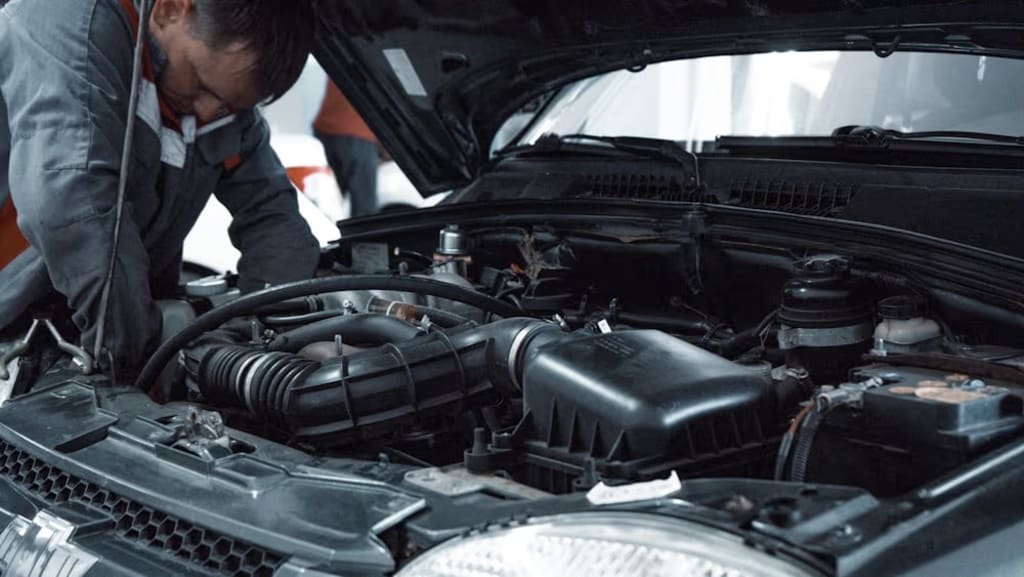
Managing an auto repair shop involves more than just fixing vehicles. It requires a strategic approach to streamline operations, keep track of inventory, maintain customer satisfaction, and grow revenue. In today’s competitive automotive landscape, shop owners must embrace modern tools and smart practices to stay ahead. That’s where auto repair management best practices come into play.
If you're looking to run your workshop more efficiently and profitably, here are the top tips to improve your operations using both experience-based strategies and digital tools like inventory software for garages.
1. Adopt a Modern Auto Repair Management System
Gone are the days when notebooks and spreadsheets were enough to run a workshop. A modern auto repair management system centralizes all your operations in one place — from customer appointments and technician scheduling to billing and parts tracking.
By using a cloud-based system, you gain real-time visibility into your shop’s performance. You can monitor technician productivity, see job status instantly, and make data-backed decisions.
Key Benefits:
• Faster job assignments
• Accurate billing and invoicing
• Automated service reminders
• Reduced paperwork
2. Use Inventory Software for Garages
Keeping track of parts and supplies manually is both time-consuming and error-prone. If you frequently run out of stock or over-order, it’s time to switch to inventory software for garages.
These tools help you:
• Track parts usage by job or technician
• Set automatic reordering thresholds
• Manage suppliers and purchase history
• Reduce waste and storage costs
An optimized inventory system ensures that you never lose time or money due to unavailable parts. It also improves your ability to forecast demand and manage supplier relationships more efficiently.
3. Streamline Appointment Scheduling
Customer satisfaction starts the moment someone tries to book an appointment. If your booking process is slow or confusing, you’re likely losing business.
Implement an online booking system that integrates with your calendar. Allow customers to choose their preferred time slots and services, and send them automated reminders. This not only improves the customer experience but also reduces no-shows and keeps your schedule full.
Pro Tip: Choose a system that connects with your auto repair management platform so everything stays in sync — from appointments to invoices.
4. Improve Communication Between Staff and Customers
Efficient communication reduces misunderstandings and delays. Your front desk staff should be trained to clearly explain repair issues, provide accurate estimates, and keep customers updated throughout the process.
Additionally, internal communication between technicians, managers, and service advisors must be fast and transparent. Digital platforms allow for instant messaging, job updates, and notifications, keeping everyone in the loop.
Quick Tip: Use customer messaging tools that are built into your management system to send status updates, approvals, or estimates via SMS or email.
5. Track Shop Performance with Data Analytics
To truly grow your business, you must monitor key performance indicators (KPIs). A strong auto repair management platform provides dashboards and reports showing metrics like:
• Average repair time per vehicle
• Technician productivity
• Parts usage trends
• Customer retention rate
• Revenue by service type
By analyzing this data, you can identify bottlenecks, reward top performers, and plan for future growth.
6. Train and Motivate Your Team
Your technicians and front office staff are your most valuable assets. Invest in regular training to keep them updated on the latest vehicle technologies, repair techniques, and customer service strategies.
Use performance data to recognize achievements and incentivize improvement. Happy, skilled employees are more productive and provide better service — resulting in happier customers and repeat business.
Also consider: Cross-training team members so they can handle multiple roles, making your shop more flexible and resilient during busy periods.
7. Maintain a Clean and Organized Workshop
A clean and well-organized shop doesn’t just look professional — it boosts efficiency and safety. Make it a habit to:
• Store tools in designated areas
• Label inventory and parts shelves
• Clean spills and debris promptly
• Dispose of old parts and unused materials regularly
Using inventory software for garages can help you assign storage locations and ensure everything is easy to find and track.
8. Focus on Customer Experience
Today's customers expect transparency, convenience, and speed. To meet their expectations, offer:
• Online estimates and approvals
• Digital vehicle inspections (DVIs) with photos/videos
• Transparent pricing and warranty info
• Loyalty rewards or referral programs
Excellent service builds trust, which in turn builds your reputation and drives referrals.
9. Embrace Automation and Digital Tools
Automation is no longer optional — it's essential. Use automated systems to:
• Send service reminders and promotions
• Generate invoices and payment links
• Schedule recurring maintenance tasks
• Collect customer feedback
These automations reduce the workload on your staff while improving the customer experience. Modern auto repair management platforms come with built-in automation tools, helping you run your business more efficiently.
10. Stay Compliant and Secure
Finally, make sure your shop complies with local regulations — whether that’s emissions standards, hazardous waste disposal, or tax requirements. Your management system should help you keep digital records and generate necessary reports.
Also, protect customer data with secure cloud systems, access controls, and backup protocols. Data security builds trust and protects your business from liability.
Final Thoughts
Running a successful auto repair business today requires more than mechanical skill. You need smart processes, digital tools, and a customer-first mindset. By adopting best practices in auto repair management and implementing reliable inventory software for garages, you can streamline your operations, reduce costs, and grow your revenue.
Whether you’re managing a small garage or a large service center, investing in the right systems will help you stay ahead of the competition. Start small, optimize one area at a time, and watch your business thrive.
About the Creator
Enjoyed the story? Support the Creator.
Subscribe for free to receive all their stories in your feed.
Comments
There are no comments for this story
Be the first to respond and start the conversation.