
Asia-Pacific Dehydrated Vegetables Market to Witness Fastest Growth
Dehydrated vegetables market to grow from $84.89 Bn in 2024 to $145.48 Bn by 2031 at 8% CAGR, driven by health trends and advanced dehydration techniques.
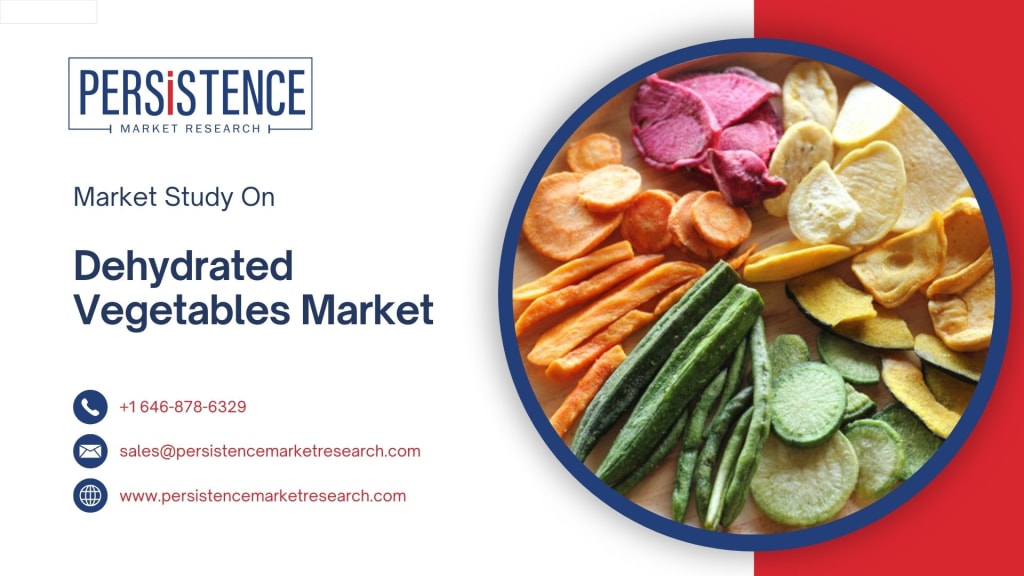
The food industry has been evolving rapidly in recent years, with consumers becoming increasingly health-conscious and demanding more convenient, sustainable, and long-lasting food options. Among the many food preservation techniques, dehydration has emerged as one of the most popular methods, especially for vegetables. The dehydration of vegetables offers several benefits, such as longer shelf life, easy storage, and the retention of essential nutrients, making it an ideal option for both consumers and manufacturers. In particular, the Asia-Pacific region is expected to witness the fastest growth in the global dehydrated vegetables market.
Dehydrated Vegetables: A Growing Trend
Dehydrated vegetables are vegetables from which most of the water content has been removed, preserving their nutrients, flavor, and texture. These vegetables are used in various products, including ready-to-eat meals, snacks, soups, and seasonings. As consumers in both developed and emerging markets seek more convenient and health-conscious food options, dehydrated vegetables are increasingly becoming an attractive solution. These products are particularly appealing because they offer long shelf life, reduce food waste, and maintain the nutritional value of fresh produce.
The Asia-Pacific region, with its rapidly growing population and changing consumption patterns, is on track to become a major player in the dehydrated vegetables market. The region’s evolving preferences, technological advancements, and expanding manufacturing capacities are driving its rapid growth in this sector.
Market Growth Projections
According to Persistence Market Research's projections, the global dehydrated vegetables market is estimated to increase from US$ 84.89 billion in 2024 to US$ 145.48 billion by 2031. This growth reflects a compound annual growth rate (CAGR) of 8% during the forecast period between 2024 and 2031. Among the regions, the Asia-Pacific market is expected to grow at the fastest rate due to factors such as increasing demand for convenience foods, growing urbanization, and rising awareness of the health benefits of dehydrated vegetables.
Why Asia-Pacific is Experiencing Rapid Growth
There are several factors that contribute to the Asia-Pacific region’s emergence as the fastest-growing market for dehydrated vegetables:
1. Increasing Demand for Convenience Foods
Asia-Pacific has seen significant urbanization in recent decades, leading to a shift in lifestyle patterns. With more people living in cities and working long hours, there has been a marked rise in demand for convenience foods. These foods, which include ready-to-eat meals, instant soups, and packaged snacks, often contain dehydrated vegetables due to their long shelf life and ease of preparation.
Dehydrated vegetables, which can be easily rehydrated to be used in a variety of dishes, offer a quick, nutritious, and convenient solution for busy consumers. This convenience factor is particularly appealing to the growing middle-class population in countries such as China, India, and Japan, where fast-paced lifestyles have led to an increasing preference for easy-to-prepare meals. As a result, the demand for dehydrated vegetables is surging, making the Asia-Pacific region a critical hub for market growth.
2. Growing Health Consciousness
In addition to convenience, consumers in Asia-Pacific are becoming more health-conscious and looking for ways to incorporate healthier food options into their diets. Dehydrated vegetables offer a variety of health benefits, as they retain most of the essential vitamins, minerals, and fiber found in fresh produce, making them a nutritious choice for consumers.
Countries such as Japan, South Korea, and India have long had a tradition of using vegetables as a staple in their diets. As awareness of the nutritional benefits of dehydrated vegetables spreads, more consumers are turning to these products as part of their regular meal planning. Whether for use in soups, stews, salads, or snacks, dehydrated vegetables are seen as an easy way to boost nutritional intake without sacrificing flavor.
3. Technological Advancements in Food Processing
The development of more efficient and cost-effective food processing techniques has been a key driver in the expansion of the dehydrated vegetables market in Asia-Pacific. Technological advancements in drying methods—such as freeze-drying, air-drying, and spray-drying—are improving the quality of dehydrated vegetables and making them more accessible to a wider range of consumers.
China, in particular, has made significant strides in food processing technologies, allowing manufacturers to produce high-quality dehydrated vegetable products at competitive prices. As a result, China has become a major exporter of dehydrated vegetables, not just within the region, but to other global markets as well. With further advancements in drying technologies, the cost of production is expected to decrease, enabling more consumers in Asia-Pacific to enjoy the benefits of dehydrated vegetables.
4. Sustainability and Food Waste Reduction
As environmental awareness grows in Asia-Pacific, there is an increasing emphasis on sustainability and reducing food waste. Dehydrated vegetables are a perfect example of a sustainable food product. Since dehydration extends the shelf life of vegetables and reduces their weight, it helps reduce transportation costs and spoilage. Furthermore, because dehydrated vegetables are lighter and require less space for storage, they also contribute to reducing food waste, which is a significant issue in many countries in the region.
Governments in Asia-Pacific, particularly in countries like India and China, are also promoting initiatives aimed at reducing food wastage. As part of these efforts, the adoption of preservation techniques, such as dehydration, is being encouraged, further boosting the market for dehydrated vegetables.
5. Rising Export Demand
As the demand for convenience and nutritious food options continues to grow, the Asia-Pacific region is emerging as a significant exporter of dehydrated vegetables. Countries like China, India, and Thailand are already major exporters of dehydrated vegetable products to international markets, especially in regions like North America and Europe.
The growing export potential of dehydrated vegetables presents both an opportunity and a challenge for manufacturers in Asia-Pacific. While demand in foreign markets is increasing, the region must also meet international quality and safety standards. However, with investments in quality control, processing facilities, and certifications, manufacturers in Asia-Pacific are well-positioned to meet the growing demand for dehydrated vegetables on the global stage.
6. Cultural Adaptation and Diverse Applications
Asia-Pacific is home to a wide variety of cuisines, many of which rely heavily on vegetables for flavor and nutrition. Dehydrated vegetables are highly adaptable to these diverse culinary traditions, making them a versatile ingredient in many dishes. Whether used in traditional Chinese soups, Indian curries, or Japanese rice dishes, dehydrated vegetables are increasingly being incorporated into local recipes.
The ability to cater to the region's diverse tastes and culinary preferences has allowed manufacturers to create a wide range of dehydrated vegetable products. This customization of products to meet regional flavor profiles is helping to drive the market's growth.
Key Players in the Asia-Pacific Dehydrated Vegetables Market
Several companies are leading the growth of the dehydrated vegetables market in Asia-Pacific, including:
- Olam International (Singapore)
- Ingredion Incorporated (India)
- Kerry Group (China)
- Dehydration Technologies (Australia)
- China National Chemical Corporation (China)
These players are investing in research and development to improve dehydration technologies and expand their product portfolios to cater to the growing consumer demand for convenient, healthy, and sustainable food options.
Challenges and Opportunities
While the Asia-Pacific dehydrated vegetables market is witnessing impressive growth, challenges such as price volatility, supply chain issues, and the need for continuous innovation persist. However, these challenges also present significant opportunities for companies to innovate and find solutions to meet consumer needs.
For example, as demand for organic and non-GMO products increases, manufacturers can leverage these trends to introduce organic dehydrated vegetables, appealing to the growing segment of health-conscious and environmentally aware consumers.
Conclusion
The Asia-Pacific region is poised to witness the fastest growth in the global dehydrated vegetables market, driven by a combination of factors including increasing demand for convenience foods, growing health awareness, technological advancements in food processing, and a focus on sustainability. With the market projected to grow from US$ 84.89 billion in 2024 to US$ 145.48 billion by 2031, the Asia-Pacific region will play a central role in driving the global demand for dehydrated vegetables. As consumer preferences continue to evolve and the region embraces new food technologies, the future looks promising for the dehydrated vegetables market in Asia-Pacific.
About the Creator
Aishwarya nagur
Blogger exploring trends in the Chemical & Material industry, IT & Telecommunications, Automation, and Transportation. I simplify complex topics into insightful content to inform, inspire, and spark innovation across industries.
Enjoyed the story? Support the Creator.
Subscribe for free to receive all their stories in your feed.
Comments
There are no comments for this story
Be the first to respond and start the conversation.