
Asia Pacific Battery Boom: What’s Driving It?
A deep dive into the forces shaping the region’s explosive battery demand
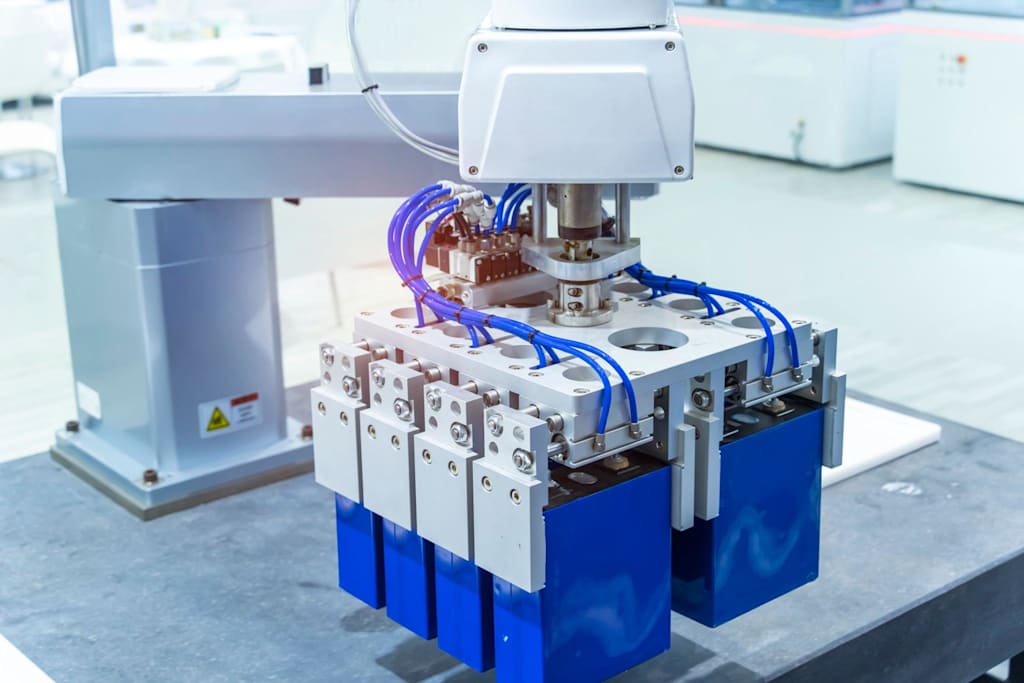
The hum of machines never really stops. Inside sprawling battery factories across Asia-Pacific, robotic arms glide with precision, assembling the invisible engines of modern life. Sparks flicker, conveyor belts roll endlessly, and somewhere in that synchronized motion lies the answer to a global question: what will power our future?
From electric vehicles silently replacing fuel engines to solar farms storing sunlight for the night, batteries have become the backbone of a new energy era. And at the heart of it all, Asia-Pacific is leading a surge that’s transforming industries, economies, and everyday living.
The Momentum Behind the Boom
The global Asia pacific battery market is experiencing strong and steady growth, with Mordor Intelligence highlighting a robust CAGR of 16.50% throughout the forecast period. This growth isn’t accidental—it’s the result of multiple forces converging at once.
At its core, the Asia Pacific battery market size is expanding rapidly due to rising demand across electric mobility, renewable energy storage, and consumer electronics. Governments across the region are pushing aggressive electrification goals, while industries are racing to meet sustainability targets.
The Asia Pacific battery market share is largely concentrated in countries like China, Japan, and South Korea. These nations have built powerful ecosystems that combine manufacturing scale, technological expertise, and access to critical raw materials—giving them a decisive global edge.
But numbers alone don’t tell the full story. This is not just a market expansion—it’s a structural shift in how energy is produced, stored, and consumed.
The Electrification Wave Changing Everything
Step onto the streets of Shanghai, Seoul, or even parts of urban India, and you’ll notice something different—quiet roads. Electric vehicles (EVs) are no longer rare sightings; they’re becoming the norm.
This shift is one of the biggest drivers behind the battery boom. EV adoption across Asia-Pacific is accelerating due to:
- Government subsidies and policy support
- Rising fuel costs
- Increasing environmental awareness
China continues to dominate global EV adoption, while India is steadily building momentum with national electrification plans. Southeast Asian countries are also entering the race, investing in EV infrastructure and local battery production.
Each EV requires a powerful battery system, and as millions of vehicles transition from fuel to electric, the demand multiplies exponentially. This alone is reshaping the Asia Pacific battery market size, pushing manufacturers to scale production at unprecedented levels.
Renewable Energy Needs Reliable Storage
Solar panels and wind turbines are everywhere—but there’s a catch. Energy generation from these sources isn’t constant. The sun sets. The wind slows.
This is where batteries step in.
Across Asia-Pacific, countries are investing heavily in renewable energy projects, and with that comes a growing need for efficient storage systems. Batteries ensure that excess energy generated during peak times can be stored and used when needed.
From large-scale solar parks in India to grid-level storage projects in Australia, battery systems are becoming essential infrastructure. This trend is significantly contributing to the growth of the Asia Pacific battery market share, as demand expands beyond transportation into energy management.
Manufacturing Powerhouses and Strategic Advantage
Asia-Pacific’s dominance isn’t just about demand—it’s about capability. The region has established itself as the global hub for battery manufacturing.
China leads in large-scale production, while Japan and South Korea excel in advanced battery technologies. Together, they form a tightly integrated supply chain that spans raw material processing, cell manufacturing, and final assembly.
This vertical integration allows faster production, lower costs, and continuous innovation—factors that reinforce the region’s control over the global Asia Pacific battery market.
In addition, ongoing investments in gigafactories and R&D facilities are strengthening this position. Companies are not just increasing capacity; they are improving battery performance, safety, and energy density.
The Consumer Electronics Factor
While EVs and renewable energy often dominate headlines, consumer electronics remain a steady and powerful contributor to battery demand.
Smartphones, laptops, wearables, and other portable devices rely heavily on efficient battery systems. With Asia-Pacific being a major hub for electronics manufacturing and consumption, this segment continues to support the overall Asia Pacific battery market size.
As devices become more advanced and energy-intensive, the need for better batteries grows—further fueling innovation and market expansion.
Browse Trending Linkedin Articles
Know More about Norway Oil and Gas Market
Know More About Submarine Market
Conclusion
The Asia-Pacific battery boom is more than a trend—it’s a transformation unfolding in real time. From clean transportation to renewable energy storage and everyday technology, batteries are redefining how the world operates.
The region’s strong manufacturing base, policy support, and rising demand ensure that this growth story is far from over. As the Asia Pacific battery market continues to expand at a steady CAGR, its influence will only deepen across global industries.
About the Creator
efingutthomas
My expertise is custom research across industries such as aerospace & defense, agriculture, animal wellness, automation, automotive, chemicals, consumer goods, electronics, energy, finance, food & beverages, healthcare, hospitality and ICT
Enjoyed the story? Support the Creator.
Subscribe for free to receive all their stories in your feed.
Comments
There are no comments for this story
Be the first to respond and start the conversation.