
Are Electric Pool Heaters a Smart Upgrade for Older Pool Heating Systems in Australia?
Pool Heating Options Explained.

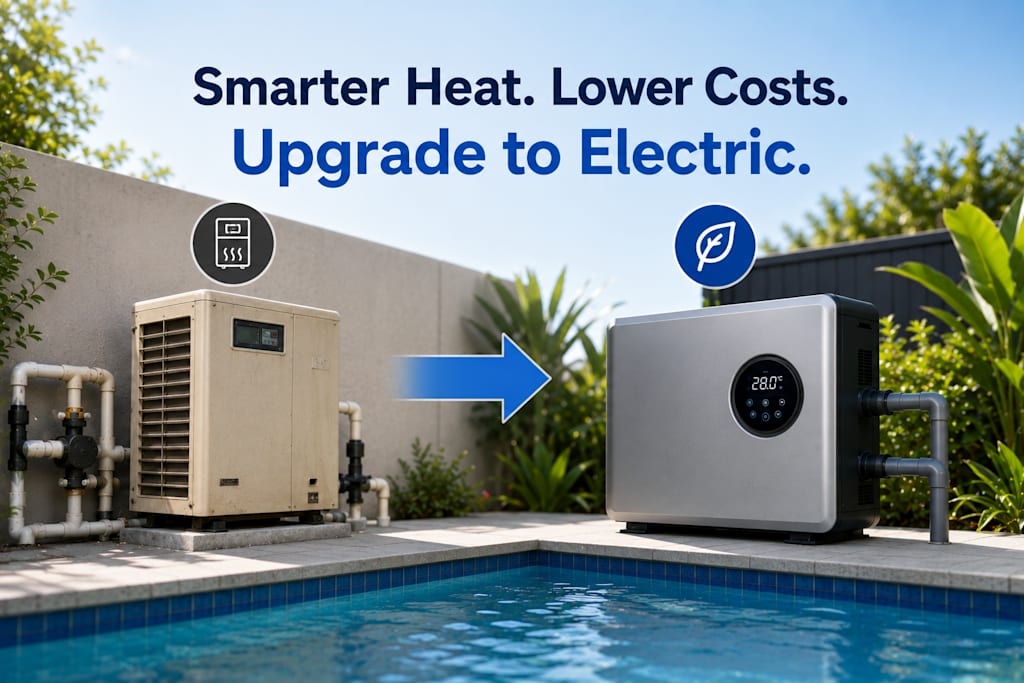
Is your pool taking longer than usual to heat up, or struggling to maintain a comfortable temperature throughout the swimming season?
Many Australian homeowners rely on pool heating systems to extend pool use beyond the hottest months of the year. However, as heating equipment ages, performance often declines. Rising energy costs, inconsistent water temperatures, and frequent maintenance issues can make older systems less practical and more expensive to operate.
As a result, many pool owners are exploring modern electric pool heaters as a potential upgrade. But is switching to an electric heating system the right choice?
Signs Your Existing Pool Heating System May Need an Upgrade
Pool heating systems naturally experience wear and tear over time. While older equipment may continue functioning, several warning signs can indicate that it is no longer operating efficiently.
Rising Energy Costs
One of the most noticeable indicators of an ageing pool heater is an increase in energy consumption. Older systems often require longer operating periods to achieve the desired water temperature, which can lead to higher utility bills.
Modern electric heating technologies are designed to use energy more efficiently while maintaining consistent heating performance.
Slow Heating Performance
If your pool takes significantly longer to warm up than it once did, the heating system may be losing efficiency. This issue can become particularly noticeable during cooler weather when maintaining comfortable swimming temperatures becomes more challenging.
A well-functioning heating system should provide reliable temperature control without excessive operating times.
Frequent Repairs and Maintenance
As equipment ages, components can wear out and become more prone to failure. Ongoing repair costs can quickly add up, especially when replacement parts become difficult to source.
In many cases, upgrading to a newer system may be more cost-effective than continuing to repair an older unit.
Inconsistent Water Temperatures
Fluctuating water temperatures can make swimming less enjoyable and reduce the overall usability of a pool. Older heating systems may struggle to maintain stable temperatures, particularly during seasonal weather changes.
Modern heating solutions often include improved temperature management features that help deliver more consistent results.
How Electric Pool Heaters Work
Most modern electric pool heating systems use heat pump technology. Rather than generating heat directly, a heat pump transfers warmth from the surrounding air into the pool water.
This process can make heat pumps significantly more energy-efficient than some traditional heating methods because they move existing heat instead of creating it from scratch.
The effectiveness of a heat pump depends on factors such as air temperature, pool size, insulation, and desired water temperature.
Benefits of Upgrading to an Electric Pool Heater
Improved Energy Efficiency
Energy efficiency is one of the primary reasons homeowners consider upgrading their pool heating systems. Modern electric heat pumps are designed to maximise heat transfer while minimising electricity consumption.
This can help reduce operating costs over the long term compared with older, less efficient systems.
Consistent Temperature Control
Modern electric heaters are equipped with advanced controls that help maintain stable water temperatures. This consistency can improve swimming comfort and make the pool more enjoyable throughout the year.
Reliable temperature management is particularly valuable in regions where weather conditions can change quickly.
Reduced Environmental Impact
Many homeowners are becoming more conscious of their energy usage and environmental footprint. Because heat pumps transfer existing heat rather than generating it through fuel combustion, they can offer a more environmentally responsible approach to pool heating.
The overall environmental impact will vary depending on local electricity sources and system efficiency.
Smart Features and Automation
Many newer electric pool heaters include digital controls, programmable schedules, and remote monitoring capabilities. These features can make pool management more convenient and help optimise energy use.
Automation also allows homeowners to maintain preferred temperatures without constant manual adjustments.
Factors to Consider Before Upgrading
Before investing in a new pool heating system, it is important to evaluate several factors:
- Pool size and water volume
- Local climate conditions
- Desired swimming season length
- Available installation space
- Energy costs in your area
- Long-term maintenance requirements
Comparing these factors can help determine whether an electric pool heater is the most suitable option for your specific needs.
Final Thoughts
Older pool heating systems can become less efficient over time, leading to higher operating costs, inconsistent temperatures, and increased maintenance requirements. For many Australian homeowners, upgrading to a modern electric pool heater offers an opportunity to improve efficiency, enhance comfort, and simplify pool management.
While every pool is different, understanding how modern heating technologies work and evaluating your current system's performance can help you make a more informed decision about whether an upgrade is worthwhile.
About the Creator
Enjoyed the story? Support the Creator.
Subscribe for free to receive all their stories in your feed.
Comments
There are no comments for this story
Be the first to respond and start the conversation.