
Are Electric Cars Cheaper to Run Than Filling Up With Petrol?
By checking kWh rates, fuel costs, and real savings per trip to guide your choice today.

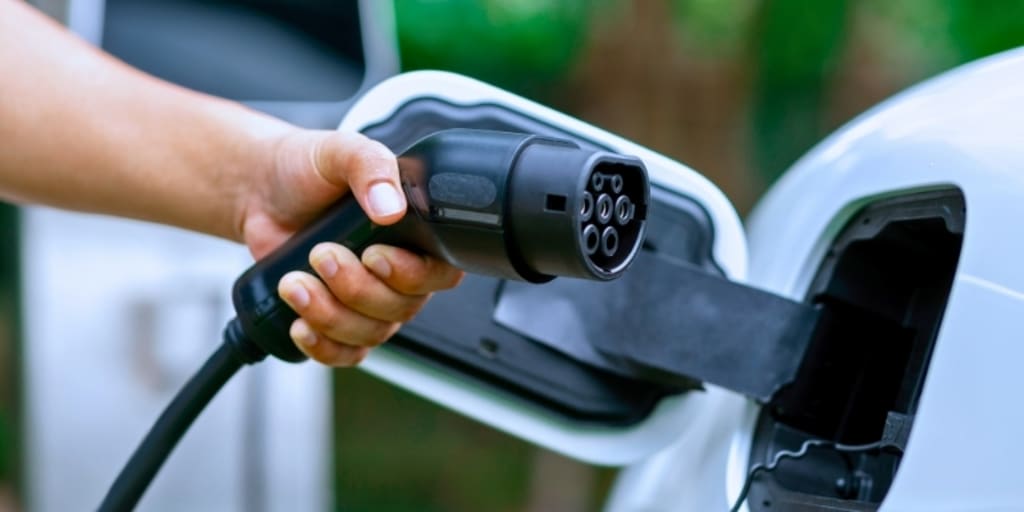
Electric cars are becoming more popular in many countries, including Bangladesh. People like them because they are quiet, clean, and use less fuel. Petrol prices are going up, so many wonder if electric cars can help save money. But are they really cheaper to use every day?
So, are electric cars cheaper to run than filling up with petrol?
Yes, electric cars are cheaper to run in Bangladesh. They use electricity that costs only 10 to 15 paisa per kilometer, which is much less than petrol. But buying an electric car is still expensive, and there are not many charging stations yet.
Keep reading to learn more about the real costs and whether an electric car is right for you.
Are Electric Cars Cheaper to Run Than Filling up With Petrol?
Yes, electric cars are cheaper to run than petrol cars in Bangladesh. They cost less per kilometer because of low electricity rates. Electric vehicles use 10 to 15 paisa worth of power per kilometer, which is much cheaper than petrol. Still, there are other things that make owning an EV harder for many people in the country.
Running Cost per Kilometer
Electric vehicles use much less money per kilometer compared to petrol cars in daily use across Bangladesh. Electricity for charging costs only 10 to 15 paisa per kilometer, which is much lower than fuel. This makes EVs a smart choice for regular city driving or short trips without needing too much fuel budget.
With petrol prices rising steadily, many drivers find EVs easier on the wallet. The growth of EV charging stations in Bangladesh is also helping make daily use more practical. For people with regular commutes, these cost savings can grow quickly over time.
High Purchase Price
The price of buying an electric car is still high in Bangladesh because of large import taxes and duties. Tariffs around 89% plus another 20% make EVs more expensive than petrol cars. This makes it hard for average buyers to choose electric over fuel-powered cars.
Petrol cars are cheaper upfront, so many people still prefer them even if EVs are cheaper to run. Without help from the government, the price gap will stay wide. Lowering import taxes would make EVs easier for more people to buy.
Charging Infrastructure Issues
There are not many charging stations in Bangladesh, especially outside big cities like Dhaka or Chittagong. Without enough charging points, it’s hard to use an EV for long trips. This makes people worry about getting stuck without a charge.
Fast chargers are also rare, which means longer wait times when charging on the go. Home charging works best, but not everyone has space or access. More stations would help more drivers feel ready to switch.
Tax on Charging Electricity
People who charge EVs at home enjoy lower electricity rates than at public or commercial charging points. But if high-voltage lines are used, the rate becomes commercial, raising the cost per charge. This takes away part of the savings for those using fast chargers.
Most drivers prefer home charging to keep costs low, but this isn't possible for everyone. Clear rules and lower rates could help more users save. Fair pricing for all types of charging would support EV growth.
Maintenance and Repairs
Electric cars don’t need oil changes and have fewer moving parts, which makes them easier and cheaper to maintain. But in Bangladesh, it’s hard to find trained mechanics and service centers for EVs. This can be a problem when parts break or need replacement.
Many owners still save money on service over time, even with these issues. Finding reliable support will get easier as more EVs are sold. For now, people in cities find it easier to manage repairs than those in rural areas.
Will Government Policies in Bangladesh Make EVs More Affordable and Practical for Everyday Use?
Government policies in Bangladesh are actively aimed at making electric vehicles (EVs) more affordable and practical for everyday use, with several key measures and goals in place:
- The government has reduced taxes on EVs and hybrids by 33% for locally manufactured vehicles, easing the high tax burden that previously reached up to 89% for cars with engines of 1,500 cc or less. This tax cut is expected to lower EV prices significantly, potentially by around 20% through local assembly and production.
- Bangladesh has set ambitious targets to increase EV penetration to 15-30% of all registered vehicles by 2030, aligning with its climate commitments to reduce carbon emissions from road transport by 3.39 million tonnes of CO2.
- Policies include tax breaks or holidays for investments in energy-efficient vehicle assembly plants, incentives for R&D in EV technology, batteries, and charging infrastructure, and simplified regulations for importing EVs with environmental certifications.
- The government is also focusing on infrastructure development, aiming to expand EV charging stations to levels comparable to petrol stations, which is crucial for practical everyday use.
- Some challenges remain, such as strict local manufacturing requirements for components like batteries and motors, which may deter investment. Experts suggest relaxing these criteria to encourage more manufacturers and investors.
- Additional measures under consideration include reducing import duties temporarily and providing tax benefits to EV owners, similar to incentives offered in neighboring countries like India.
- Public awareness campaigns and collaboration between government and private sectors are also part of the strategy to boost consumer acceptance and support the EV ecosystem.
How Does the Current EV Charging Infrastructure Impact the Cost-effectiveness of Electric Cars?
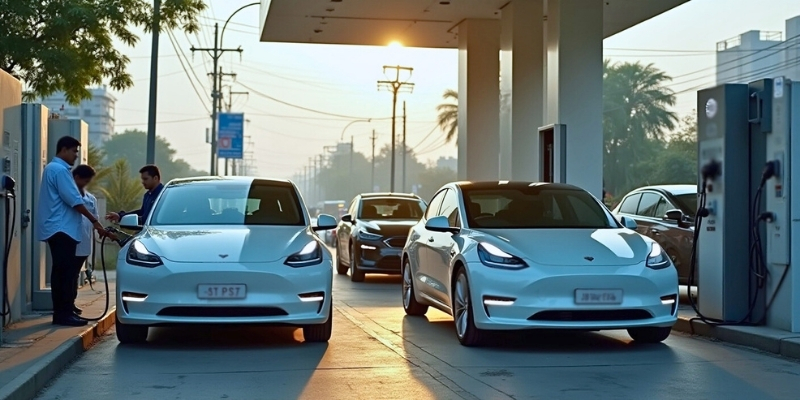
Electric cars sound cool and cheap to run, right? But in Bangladesh, finding places to charge them is tricky. Let's see how the current charging spots impact whether an electric car saves you money. It's not just about the car's price tag!
Few Charging Stations
Right now, there just aren't many special spots to charge an electric car. Imagine only having a handful of places to get fuel for your whole city! This makes owning an electric car harder right from the start. You might struggle to find a charger when you need one. This lack of options is the biggest problem today.
Plans to Grow Fast
The good news is companies are working hard to fix this. They plan to add many more charging stations very soon, especially around Dhaka and big roads. Some even want thousands across the whole country by 2025! The government is also making rules easier to set up new chargers. This growth is crucial for electric cars to work well here.
Range Worry is Real
Because chargers are scarce, drivers get nervous about their battery running out. This "range anxiety" means people might avoid longer trips or worry constantly. It makes electric cars feel less practical for daily life, even if the math says they're cheaper. The hassle of finding a charger can be a big turn-off.
Cheap to Run, Hard to Find
Here's the twist: actually using an electric car costs way less than a petrol one. Driving 1000 km might cost around Tk 1,250 in electricity versus Tk 5,375 in petrol! That's a huge saving over time. But you can only get these savings if you can easily find a charger. If charging is difficult, the lower running cost doesn't help much.
Solar Power Help
Some new charging stations might use solar power. Sunshine is free, so this could make charging even cheaper and cleaner! It's a smart way to build the network. Using renewable energy helps keep costs down for everyone. This is a promising step for the future.
Finding Chargers Gets Easier
Apps like Google Maps and special EV apps are starting to show where chargers are located. Government websites and social media groups also share this info. Knowing where to go makes owning an electric car less stressful. Finding a charger is slowly becoming less of a mystery.
Missing Fast Chargers
A big issue is the lack of super-fast charging stations (DC fast chargers). Normal chargers can take hours to fill a battery. Fast chargers could do it much quicker, like a normal petrol stop. Without them, waiting around costs you time. This downtime makes electric cars less convenient and hurts their cost-effectiveness.
Concluding Thoughts
Getting your facts straight matters a lot when you fill out important papers. Messing up can cause delays or even get your request rejected. If you spot a mistake, fix it quickly by contacting the right people and submitting corrected forms.
Waiting too long can make problems worse. Now, thinking about cars, are electric cars cheaper to run than filling up with petrol? In Bangladesh, yes, they cost less per kilometer, but finding charging spots is tough.
Just like a wrong form causes trouble, limited charging makes using EVs harder. Always double-check your work to avoid extra costs or hassles later. Small errors can lead to big headaches!
About the Creator
Sophia
Hello, I’m Sophia, an EV engineer. If you’d like to learn more about electric vehicles (EVs) and EV chargers, feel free to visit Crack Platooncsl, where you can find detailed information about EVs and charging solutions
Enjoyed the story? Support the Creator.
Subscribe for free to receive all their stories in your feed.
Comments
There are no comments for this story
Be the first to respond and start the conversation.