
Appeals Court Blocks Trump EPA from Clawing Back Disbursed Climate Funds, Citing Legal Limits on Retroactive Action
D.C. Circuit rules that once Congress-appropriated funds are deposited into nonprofit accounts, they cannot be reclaimed through new legislation or policy reversal even amid shifting administrations.

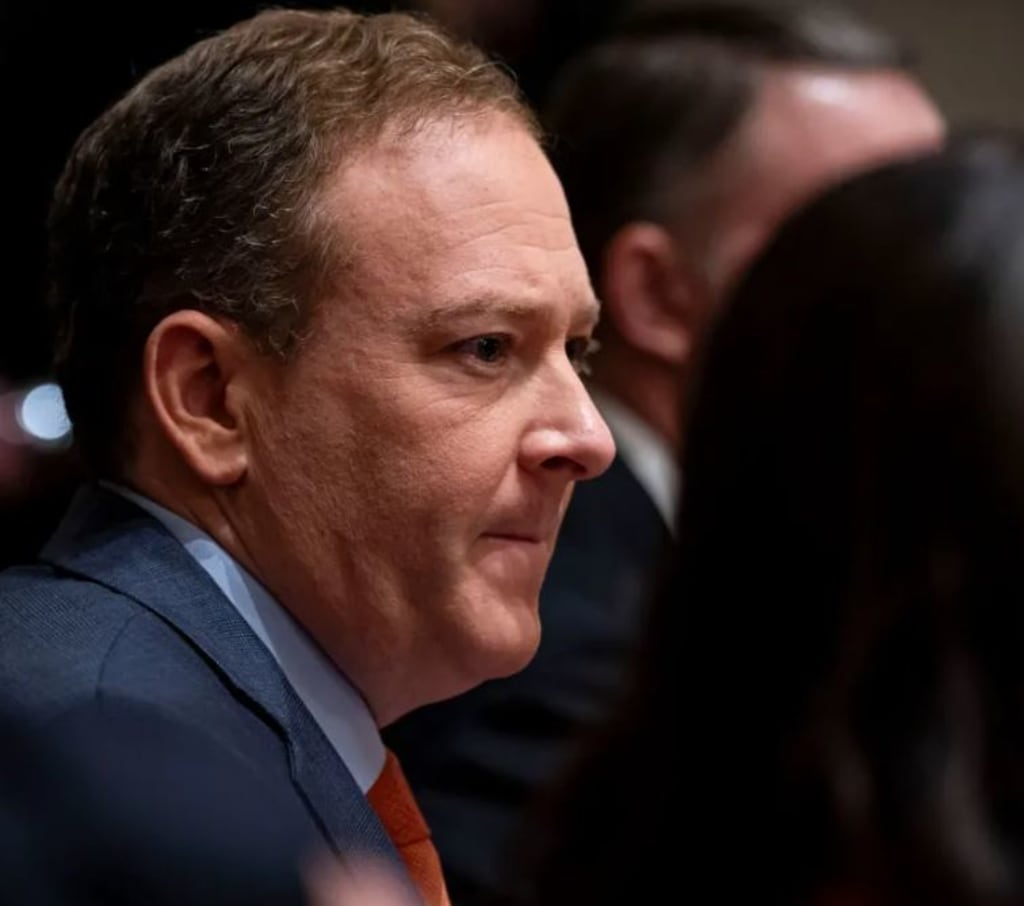
In a landmark decision with significant implications for federal grant administration and separation of powers, the U.S. Court of Appeals for the District of Columbia Circuit ruled on Tuesday that the Trump administration lacked legal authority to freeze or reclaim billions of dollars in climate funding already disbursed to eight nonprofit organizations. The 6–4 en banc ruling upholds a lower court injunction preventing the Environmental Protection Agency (EPA), under Administrator Lee Zeldin, from reversing financial obligations made under the Inflation Reduction Act’s (IRA) Greenhouse Gas Reduction Fund, a $20 billion program designed to accelerate clean energy investment through low-cost financing for underserved communities and small businesses.
The dispute originated in February 2025, when the EPA, in coordination with the FBI and the Treasury Department, directed Citibank to freeze the bank accounts of eight grantees shortly after funds had been legally obligated and transferred. The administration justified the action by citing the passage of the One Big Beautiful Bill Act (OBBBA), which repealed the statutory provision creating the Greenhouse Gas Reduction Fund. However, the appellate majority held that repeal of a statute does not automatically invalidate prior lawful expenditures. “Once funds are obligated and disbursed pursuant to valid congressional appropriation, they become the property of the recipient,” the court wrote. “A subsequent change in law cannot retroactively divest recipients of vested rights absent explicit statutory language to that effect,fect and the OBBBA contains none.”
Critically, the judges emphasized that the EPA’s attempt to recover the funds was driven “solely on a policy disagreement” rather than allegations of fraud, mismanagement, or noncompliance. This distinction is legally pivotal: while agencies retain oversight authority over active grants, they cannot unilaterally rescind completed transactions based on ideological shifts. The ruling reaffirms a foundational principle of administrative law that executive discretion ends where congressional appropriation and lawful disbursement begin.
Despite the legal victory, the practical damage may be irreversible for several grantees. During the months-long account freeze, organizations were forced to implement drastic cost-cutting measures. Climate United lost its CEO in March and has yet to appoint a successor; Power Forward Communities now operates with only two staff members; others have laid off employees and suspended programs. As one nonprofit leader told The New York Times, “Winning in court doesn’t bring back the time, talent, or trust we’ve lost.” The funding was intended to establish revolving loan facilities with delinquency rates comparable to commercial lenders, proving that mission-driven finance can be both effective and fiscally sound. The interruption has delayed critical clean energy projects in rural and low-income areas precisely when momentum was building.
The EPA now faces a narrow window to seek Supreme Court review, with seven days to file a petition for certiorari. Should it do so, the high court would likely weigh whether the case presents a live controversy given that funds remain accessible during appeal, and whether the question of retroactive clawbacks warrants national clarification. Legal scholars note that the D.C. Circuit’s reasoning aligns with longstanding precedents protecting vested contractual and grant-based rights against arbitrary executive reversal. A contrary Supreme Court ruling could destabilize federal grantmaking across all sectors, creating uncertainty whenever political control changes hands.
For now, the decision restores immediate access to capital for the eight nonprofits, allowing them to resume operations and honor existing commitments. But the episode underscores a deeper vulnerability in America’s climate infrastructure: even congressionally mandated programs remain susceptible to administrative sabotage during transitions of power. While the courts have drawn a line, the human and programmatic costs of this interim chaos serve as a cautionary tale about the fragility of long-term policy implementation in an era of polarized governance.
As the nation continues to grapple with the urgent demands of decarbonization, this ruling affirms that legal finality matters not just for nonprofits, but for the credibility of federal promises themselves. Whether the Supreme Court intervenes or not, the message from the D.C. Circuit is clear: once money leaves the Treasury under lawful authority, it belongs to the people it was meant to serve, not to the whims of the next administration.
About the Creator
Mark Lim
Hi I am mark an automotive student and a car, tech and food enthusiast ! Im gonna try and post daily & hope you enjoy what I write and do share my page with people you know. I would gladly appreciate it! Cheers
Enjoyed the story? Support the Creator.
Subscribe for free to receive all their stories in your feed.
Comments
There are no comments for this story
Be the first to respond and start the conversation.