
Anti-Aging Diet Myths vs. Facts: What Really Works?
Anti-Aging Diet Myths vs. Facts

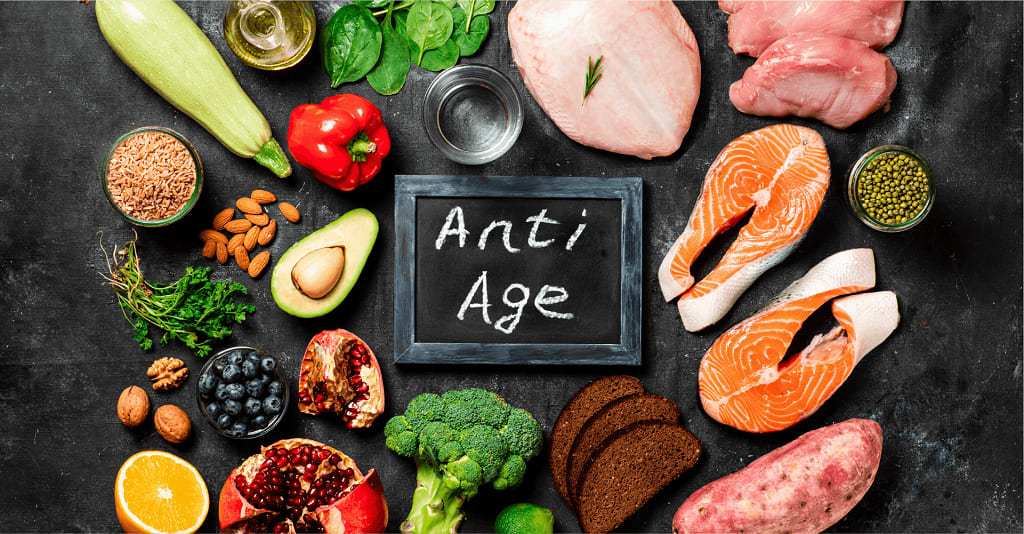
Aging is a natural process, but the desire to look younger, feel energetic, and live longer drives many people to search for “anti-aging” solutions. In recent years, diet has become a central focus of this quest. From superfoods to supplements to fasting methods, the internet is filled with promises that certain foods or eating patterns can stop—or even reverse—the aging process. But what is fact, and what is myth?
This article takes a closer look at common anti-aging diet myths, examines what science actually says, and highlights practical strategies you can use to support healthy, graceful aging.
Myth 1: A Single Superfood Can Reverse Aging
The claim: Eating specific foods like blueberries, goji berries, or avocados can dramatically slow or reverse aging.
The fact: While many of these foods are rich in antioxidants and nutrients that support health, no single food can halt the biological processes of aging. Superfoods are helpful, but they are not magical. Aging is influenced by multiple factors—cellular damage, inflammation, genetics, lifestyle, and environment.
Takeaway: Instead of relying on one ingredient, build a balanced, diverse diet filled with fruits, vegetables, nuts, legumes, whole grains, and healthy fats. The synergy of nutrients from many foods works better than one food in isolation.
Myth 2: Supplements Replace a Nutritious Diet
The claim: Taking collagen, resveratrol, or NAD+ supplements means you don’t need to worry about food.
The fact: Supplements can help fill nutritional gaps, but they cannot replicate the full complexity of whole foods. Nutrients often work together in ways that supplements cannot mimic. Furthermore, supplement quality varies, and some claims are ahead of scientific evidence.
Takeaway: Eat a nutrient-rich diet first. Use supplements selectively—for example, vitamin D in winter, omega-3s if you don’t eat fish, or B12 if you follow a vegan diet. Always consult a healthcare professional before long-term supplementation.
Myth 3: High-Protein Diets Accelerate Aging
The claim: Eating too much protein damages kidneys and speeds up aging.
The fact: Protein is crucial for maintaining muscle mass, bone density, and metabolic function—especially in older adults. While very high protein intake might stress kidneys in those with kidney disease, research shows that moderate-to-high protein diets are beneficial for most healthy people as they age.
Takeaway: Aim for 1.0–1.2 grams of protein per kilogram of body weight daily. Spread your intake across meals and choose a variety of sources, such as legumes, eggs, fish, poultry, tofu, and dairy.
Myth 4: Low-Fat Diets Are the Best for Longevity
The claim: Fat is unhealthy and speeds up aging, so the less you eat, the better.
The fact: The type of fat matters far more than the amount. Healthy fats, particularly omega-3 fatty acids and monounsaturated fats, support brain health, reduce inflammation, and protect the cardiovascular system. On the other hand, trans fats and highly processed oils can accelerate aging-related decline.
Takeaway: Include olive oil, avocados, fatty fish, nuts, and seeds in your diet. Avoid processed snacks and fried foods with hidden trans fats.
Myth 5: Intermittent Fasting Is the Only Proven Anti-Aging Diet
The claim: Skipping meals or following time-restricted eating is the ultimate anti-aging secret.
The fact: Intermittent fasting shows promising benefits in research, including improved insulin sensitivity, reduced inflammation, and activation of autophagy (cellular repair). However, not everyone responds the same way. For some individuals, fasting can cause fatigue, nutrient deficiencies, or blood sugar issues.
Takeaway: If you’re healthy and curious, try moderate approaches such as a 12–14 hour overnight fast. Focus more on the quality of foods you eat during eating windows than the strictness of fasting schedules.
Myth 6: Sugar Alone Causes Premature Aging
The claim: Cut out sugar completely and you’ll never age.
The fact: While high consumption of added sugars contributes to inflammation, weight gain, and glycation (a process that damages skin and collagen), sugar is not the only factor in aging. Stress, poor sleep, lack of exercise, and smoking also accelerate aging.
Takeaway: Minimize processed foods and added sugars, but don’t obsess over eliminating every trace of natural sugar from fruits or dairy. Moderation is key.
Fact 1: Antioxidants and Anti-Inflammatory Foods Protect Against Aging
Oxidative stress and chronic inflammation are two main drivers of cellular aging. Diets rich in antioxidants—such as polyphenols, carotenoids, and flavonoids—help reduce this damage. Anti-inflammatory foods, like turmeric, green tea, berries, and fatty fish, support resilience at the cellular level.
Fact 2: Gut Health Plays a Vital Role in Longevity
A diverse gut microbiome influences nutrient absorption, immune function, and inflammation. As people age, gut diversity often declines. Diets rich in fibre, fermented foods, and prebiotics can help maintain balance and reduce the risk of age-related health issues.
Fact 3: Lifestyle and Diet Work Together
Food alone will not determine how gracefully you age. Exercise, sleep, stress management, and sun protection all interact with nutrition to influence your biological age. For example, resistance training paired with a protein-rich diet helps maintain muscle mass far more effectively than diet alone.
Practical Anti-Aging Diet Guidelines
- Eat more plants: Aim for a colorful variety of vegetables and fruits daily.
- Balance protein: Distribute protein intake evenly across meals.
- Choose healthy fats: Olive oil, nuts, and fatty fish should replace processed fats.
- Support your gut: Include prebiotic fibers (onions, garlic, asparagus) and probiotics (yogurt, kefir, sauerkraut).
- Limit ultra-processed foods: Reduce packaged snacks, refined carbs, and sugary drinks.
- Stay hydrated: Dehydration can accelerate skin aging and reduce cellular efficiency.
- Use supplements wisely: Only when necessary, and ideally guided by testing or medical advice.
A One-Day Anti-Aging Meal Example
- Breakfast: Greek yogurt with blueberries, flaxseeds, and almonds.
- Lunch: Lentil and quinoa salad with spinach, cherry tomatoes, olive oil, and lemon.
- Snack: Apple slices with natural peanut butter.
- Dinner: Grilled salmon with steamed broccoli, turmeric quinoa, and avocado slices.
- Beverage: Green tea or water with cucumber and mint.
This kind of balanced, nutrient-rich pattern promotes both health and longevity.
Final Thoughts
The idea of an “anti-aging diet” is often oversimplified by marketers and internet trends. The truth is, there is no miracle food or single eating plan that can halt the aging process. However, consistent dietary patterns—rich in plants, healthy fats, lean proteins, and low in processed foods—support cellular repair, reduce inflammation, and promote vitality as the years go by.
Instead of chasing myths, focus on evidence-backed habits: eat a variety of whole foods, stay active, manage stress, get enough sleep, and protect your skin from sun damage. These simple but powerful steps are what really work to keep you feeling and looking younger, longer.
About the Creator
Fit Life Mantra
Fit Life Mantra empowers individuals to achieve their wellness goals through comprehensive and accessible content on fitness, nutrition, health, lifestyle, and technology, enabling them to lead healthy and fulfilling lives.
Enjoyed the story? Support the Creator.
Subscribe for free to receive all their stories in your feed.
Comments
There are no comments for this story
Be the first to respond and start the conversation.