
Amazon Faces Antitrust Reckoning as FTC Alleges Decade-Long Ad Auction Manipulation
A coalition of federal and state regulators accuses the e-commerce giant of deploying artificial bids to inflate advertising costs for over a million sellers, reigniting scrutiny of its $68 billion ad business just months after a landmark Prime settlement.

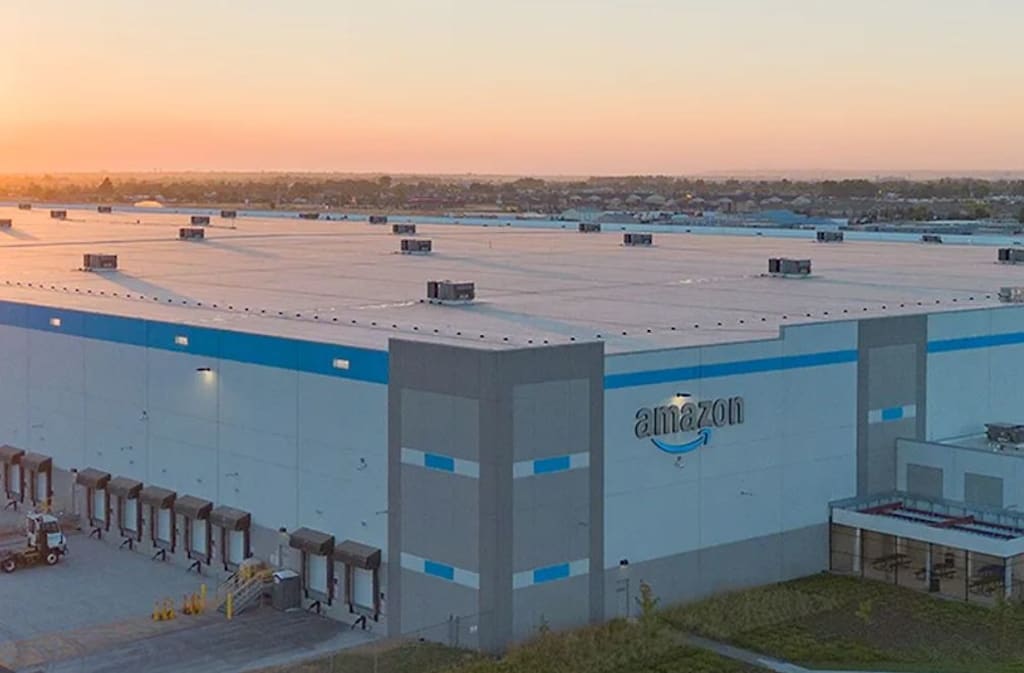
The Federal Trade Commission and attorneys general from 22 states have filed a sweeping antitrust lawsuit against Amazon, alleging that the company systematically manipulated its digital advertising auctions for more than seven years by deploying an “invented auction participant” to artificially drive up prices for sponsored product placements. Filed on August 31 in the U.S. District Court for the Western District of Washington, the complaint contends that this scheme misled over a million brands and sellers into paying significantly higher costs that were ultimately passed on to American consumers. FTC Chairman Andrew Ferguson characterized the conduct as a deliberate deception that generated tens of billions in illicit revenue, while Rhode Island Attorney General Peter Neronha called it “a textbook example of illegal behavior by a corporation which places profits above all else.” The coalition is seeking civil penalties, restitution, injunctive relief, and legal fees, marking one of the most significant challenges yet to Amazon’s rapidly growing advertising empire, which brought in over $68 billion last year and ranks third globally behind only Google and Meta.
At the heart of the allegations is Amazon’s use of what it internally termed “soft reserve prices,” coupled with synthetic bidding entities designed to elevate winning bids beyond what genuine market competition would produce. According to the complaint, former employees confirmed that this system enabled Amazon to charge advertisers prices “beyond what [can] be achieved through advertiser competition.” Regulators argue this violated core principles of fair auction mechanics, effectively converting a purportedly competitive marketplace into a controlled pricing mechanism. The ubiquity of Amazon’s platform, as Neronha noted, left small and medium-sized businesses with little choice but to participate, making them captive to alleged manipulation. This dependency amplifies the harm: unlike optional platforms, Amazon functions as essential infrastructure for countless merchants, turning alleged anticompetitive conduct into a systemic tax on digital commerce.
Amazon has forcefully rejected the claims, asserting in a blog post that the FTC “fundamentally misunderstands how advertisers operate.” The company maintains that its soft reserve prices were designed not to deceive but to ensure ad relevance, awarding placements to the most contextually appropriate bids rather than simply the highest ones, while still reflecting true market value. It further argues that inflation-adjusted cost-per-click for sponsored search ads remained flat between 2019 and 2024, contradicting the premise of systematic price inflation. Dismissing the evidentiary basis of the suit, Amazon stated that after reviewing 1.5 million pages of documents spanning six years, the FTC relied on “a handful of simplified communications” to allege companywide deception, a characterization it called “patently false.” This defense hinges on technical nuance: whether algorithmic bid shading constitutes legitimate optimization or unlawful manipulation may depend on granular interpretations of auction theory and internal intent, setting the stage for a complex legal battle.
The timing of this lawsuit underscores escalating regulatory momentum against Amazon. Just last year, the company agreed to a $2.5 billion settlement over allegations of deceptive Prime enrollment and cancellation practices the largest FTC refund case in history. Now, regulators are targeting its most profitable growth engine at a moment when digital advertising faces broader scrutiny over transparency and fairness. Unlike prior cases focused on consumer-facing interfaces, this action delves into the opaque backend machinery of programmatic advertising, where harms are diffuse and detection is difficult. Success would require proving not just that Amazon’s systems raised prices, but that they did so deceptively and anticompetitively a high bar given courts’ historical deference to platform design choices. Yet the breadth of the state-federal coalition signals bipartisan consensus that Amazon’s ad business warrants structural oversight, not just behavioral remedies.
Ultimately, this case tests whether antitrust law can adapt to algorithmic markets where harm is embedded in code rather than contracts. If proven, the allegations suggest Amazon exploited its dual role as marketplace operator and ad seller to extract rents from dependent merchants, a conflict of interest long warned about by critics. But even if Amazon prevails legally, the suit reinforces a new regulatory norm: dominant platforms must justify their auction designs as pro-competitive, not merely profitable. For advertisers, the outcome could reshape cost structures and bargaining power; for policymakers, it offers a template for scrutinizing other opaque digital markets. As Amazon navigates this latest front in its ongoing antitrust saga, the stakes extend far beyond fines they touch the very architecture of trust in platform capitalism. Whether courts see innovation or exploitation in those 1.5 million pages may redefine the boundaries of permissible scale in the digital age.
About the Creator
Mark Lim
Hi I am mark an automotive student and a car, tech and food enthusiast ! Im gonna try and post daily & hope you enjoy what I write and do share my page with people you know. I would gladly appreciate it! Cheers
Enjoyed the story? Support the Creator.
Subscribe for free to receive all their stories in your feed.
Comments
There are no comments for this story
Be the first to respond and start the conversation.