
Amazon Denies It Planned to Disclose Cost of US
The e-commerce giant rebuffs claims it was preparing to show U.S

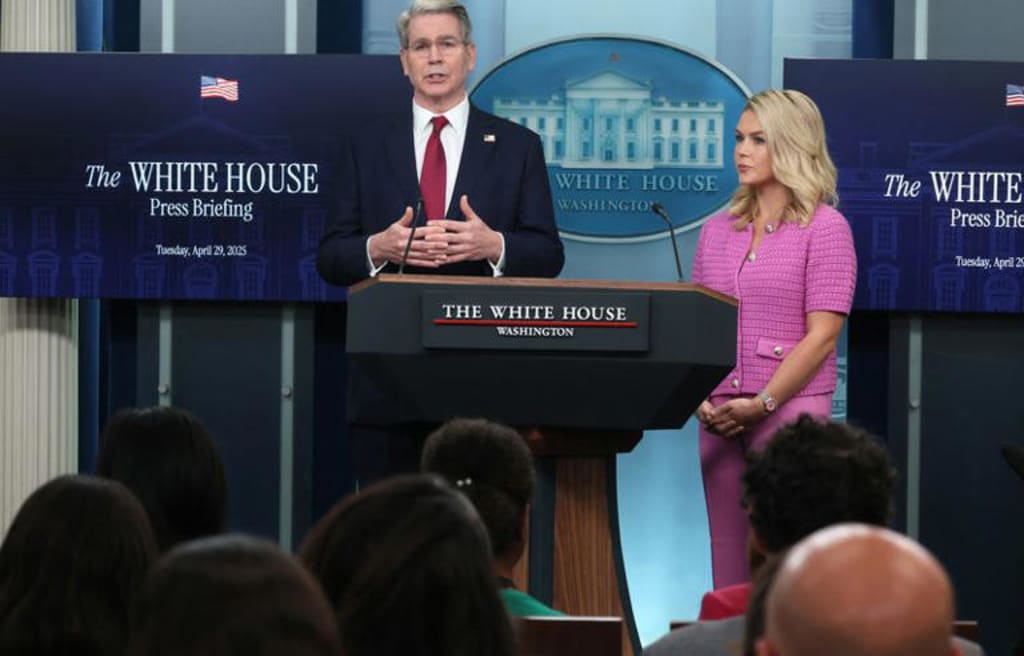
In a surprising turn of events, Amazon has formally denied recent reports that claimed the e-commerce giant intended to disclose the cost impact of U.S. tariffs directly on its website. The clarification came after speculation grew on social media and among industry analysts that Amazon was preparing to add tariff-related pricing breakdowns for imported goods, particularly those sourced from China.
The rumors were sparked by an anonymous internal source cited in a now-debunked news article, claiming that Amazon was “testing features” that would show customers the price differences caused by import duties and tariffs imposed under ongoing U.S.-China trade tensions. According to the source, the goal was to improve transparency and educate consumers on why certain product prices were rising.
However, in an official statement issued earlier this week, Amazon refuted those claims unequivocally.
“Amazon is not planning to display tariff cost breakdowns on product listings,” a spokesperson said. Tariff-related cost transparency is not currently being developed, despite our ongoing evaluation of features that enhance the shopping experience.
Background: Trade Wars and Consumer Impact
The U.S. government has maintained a series of tariffs on Chinese imports since 2018, beginning with former President Donald Trump’s aggressive trade war policies. While some duties have been lifted or adjusted, many still remain under the Biden administration, affecting a wide range of consumer products including electronics, furniture, clothing, and appliances.
Retailers like Amazon, Walmart, and Target have had to adjust their supply chains, pricing, and sourcing strategies in response. For many companies, this has meant either absorbing the increased costs or passing them on to consumers through gradual price hikes.
The majority of retailers do not openly disclose tariff-related costs at the point of sale despite these changes. The speculation that Amazon might break with that trend created a ripple of concern—and interest—in the retail world.
Why the Rumor Gained Traction
The rumor's credulity could be attributed to a number of factors. First and foremost, Amazon is renowned for its emphasis on price transparency, comparison tools, and innovation in the online shopping space, and it has consistently branded itself as a customer-centric business. Industry observers noted that a move to display tariff costs would fit within Amazon’s ethos of informed consumerism—if done correctly.
Additionally, advocacy groups and watchdog organizations have increased their pressure on Amazon to enhance supply chain visibility, ethical sourcing disclosures, and environmental impact labels. Adding tariff information might have seemed like a natural extension of this broader push for transparency.
However, many claim that Amazon's denial suggests that the company is not prepared or willing to open that particular door.
What Experts Are Saying Retail analysts have offered mixed opinions on whether such a move would be beneficial—or even feasible—for Amazon.
“Disclosing tariff costs might sound simple, but it’s incredibly complex in execution,” said Tanya Rivera, a senior retail consultant at Strategy Group. The majority of products are imported, manufactured, and sourced in multiple layers. Assigning a precise tariff cost to a single item is not as straightforward as adding a shipping fee.”
Others claim that Amazon is concerned about the political repercussions. A visible acknowledgment of the cost burden imposed by U.S. trade policies could be interpreted as criticism of government decisions, potentially inviting backlash or scrutiny.
“It’s a delicate balancing act,” Rivera added. "Amazon doesn't want to upset sellers, customers, or the government,"
The Big Picture: Who Pays for Tariffs Actually?
While debates over tariff transparency continue, one fact remains largely accepted: consumers ultimately bear the brunt of tariff-related price increases. In order to remain competitive, businesses may temporarily absorb higher costs; however, these costs eventually become incorporated into retail prices.
A 2023 study by the Peterson Institute for International Economics found that over 90% of tariff costs on Chinese imports were passed along to U.S. consumers and businesses. Companies maintain checkout simplicity by not explicitly displaying those costs, but arguably at the expense of informed consumer choice. Conclusion
Amazon’s firm denial of plans to disclose tariff-related pricing underscores the complexity and sensitivity surrounding international trade and retail transparency. While some consumers may have appreciated the gesture, the company appears to be steering clear of politicizing its pricing structure.
For now, buyers will have to rely on broader economic indicators—and rising price tags—to understand the hidden costs of global trade tensions.
About the Creator
Enjoyed the story? Support the Creator.
Subscribe for free to receive all their stories in your feed.
Comments
There are no comments for this story
Be the first to respond and start the conversation.