
Algeria Wildfires, 123 Fires Reported in 24 Hours as Five Remain Active
The wave of deadly wildfires that has swept across Algeria in recent days has lost some of its intensity, but fires are still burning in three provinces in the eastern part of the country.

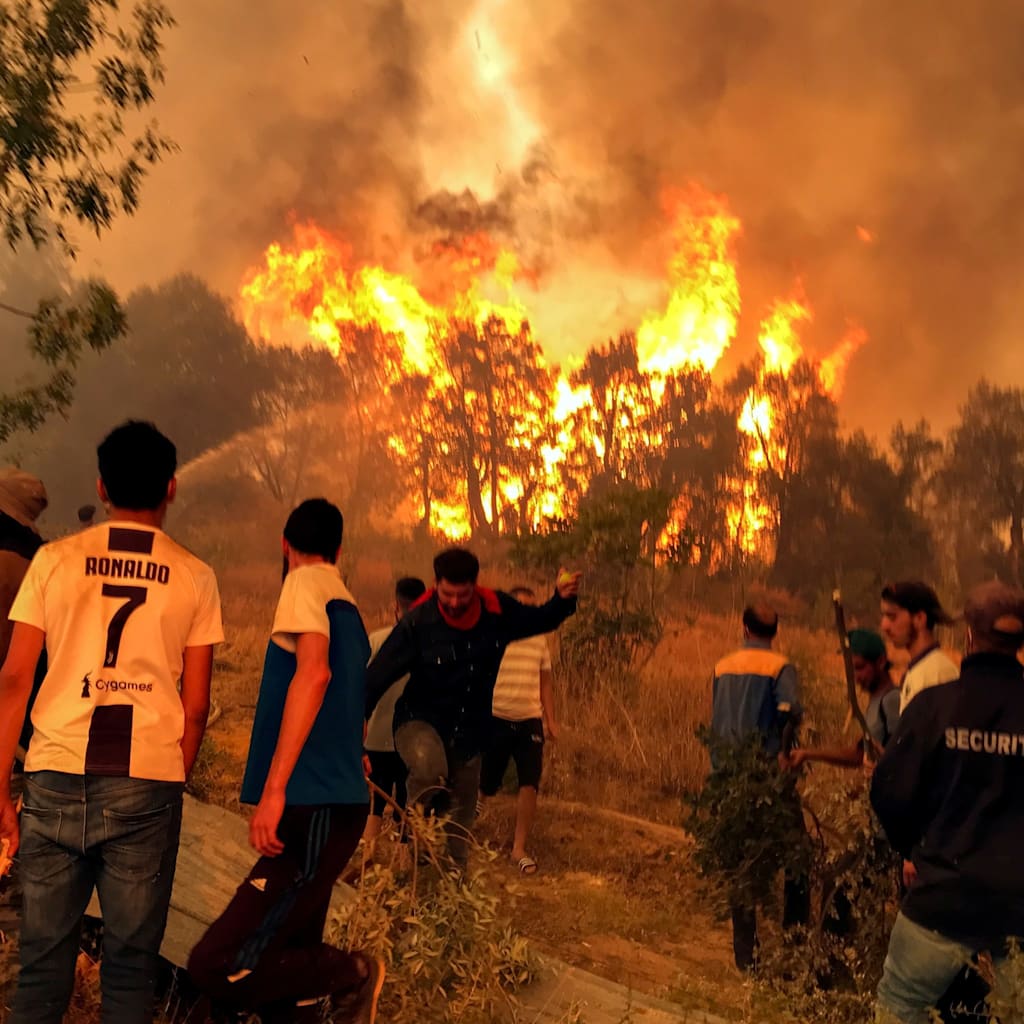
Algeria’s Civil Protection agency reported 123 forest fires over the past 24 hours, according to an operational update published on Saturday, August 29. Of those fires, 118 had been brought under control, while five remained active as of 7 a.m.
The latest figures suggest that the situation has begun to stabilize after several days of devastating fires, although firefighters remain mobilized on multiple fronts.
The fires have destroyed vegetation, damaged homes and devastated livestock, leaving behind significant losses in some of the affected areas. Jijel, in northeastern Algeria, remains the province hardest hit by the disaster, with numerous deaths and injuries reported in recent days.
Five Wildfires Remain Active in Jijel, Sétif and Tébessa
Two days after the tragedy intensified across eastern Algeria, the threat has not completely disappeared. According to the latest Civil Protection assessment, five wildfire hotspots were still active on Saturday morning.
Two of the remaining fires were reported in Jijel province, while two others were burning in Sétif. The fifth active fire was located in Tébessa, further east.
The authorities have continued to deploy substantial firefighting resources to prevent the remaining fires from spreading and to protect nearby communities. Water-bombing aircraft have been brought in to support firefighters operating on the ground, particularly in areas where difficult terrain and dense vegetation can make access more challenging.
The Civil Protection agency said its teams were continuing operations until all identified fire fronts were completely extinguished.
Families Evacuated in Texenna, Jijel Province
In Jijel, one of the active forest fires broke out in the municipality of Texenna, in the Mechta El Messa area.
The area is characterized by mountainous terrain and dense forest, conditions that can make wildfires particularly difficult to contain once flames begin spreading rapidly.
As a precautionary measure, several families living in the affected area were evacuated while emergency crews worked to contain the fire. Two AT-802 firefighting aircraft were deployed to support firefighters and help slow the progression of the flames.
The evacuation was temporary. Once the immediate danger had passed, residents were able to return to their homes.
Despite the improvement in conditions, firefighting operations have continued without interruption. Authorities are maintaining a high level of vigilance as crews work to eliminate the remaining hotspots and prevent new fires from breaking out.
Extreme Heat and Strong Winds Fuelled the Fires
The latest wave of wildfires has unfolded amid difficult weather conditions across parts of Algeria. High temperatures combined with strong winds in recent days created particularly favourable conditions for fires to spread quickly.
Such weather can transform a localized fire into a rapidly expanding wildfire, especially in heavily forested and mountainous areas. Wind can carry embers over significant distances, creating new fire fronts and making containment considerably more difficult.
The combination of extreme heat, dry vegetation and sustained winds has therefore complicated the work of emergency crews deployed across the affected provinces.
While the number of active fires has fallen significantly compared with the peak of the crisis, the authorities continue to urge residents to remain vigilant.
Jijel Remains at the Centre of the Disaster
Jijel has emerged as one of the main focal points of the wildfire crisis. The province, known for its mountainous landscapes and extensive forest cover, has suffered some of the most serious consequences of the fires.
The human toll has added another dimension to what has become a major emergency. Communities have faced evacuations, damaged property and losses of livestock, while emergency services have been working continuously to protect residents and contain the flames.
The latest Civil Protection figures provide a clearer picture of the scale of the firefighting effort. A total of 123 fires were recorded over a 24-hour period, with the overwhelming majority — 118 — successfully extinguished.
However, the five fires that remained active on Saturday morning demonstrate that the emergency is not yet completely over.
For residents in Jijel, Sétif and Tébessa, the priority remains the same: preventing the remaining fire fronts from spreading and ensuring that communities are protected.
The authorities are expected to maintain heightened surveillance in the coming hours, particularly while hot and windy conditions persist.
Although the situation has improved, the latest developments underline how quickly wildfire conditions can deteriorate during periods of extreme heat. Continued vigilance, rapid intervention and close coordination between emergency services remain essential to prevent another escalation.
For Algeria, the immediate objective is now clear: extinguish the remaining fires, protect the affected communities and prevent the current crisis from turning into another devastating wave of wildfires.
About the Creator
Sahby Mehalla
Marketing Consultant | Independent Journalist | Writing on Medium
Pure intention transforms sound into a message. 🇩🇿
Enjoyed the story? Support the Creator.
Subscribe for free to receive all their stories in your feed.
Comments
There are no comments for this story
Be the first to respond and start the conversation.