
Alchemizing Scandal: How Ariana Madix Turned Reality TV Trauma Into Emmy-Nominated Authenticity
Three years after “Scandoval,” Madix’s journey from masked survivor to celebrated host reveals a deeper truth about reality television: that genuine connection, forged through adversity and stripped of performative inhibition, is the rarest and most valuable currency in an industry built on artifice.

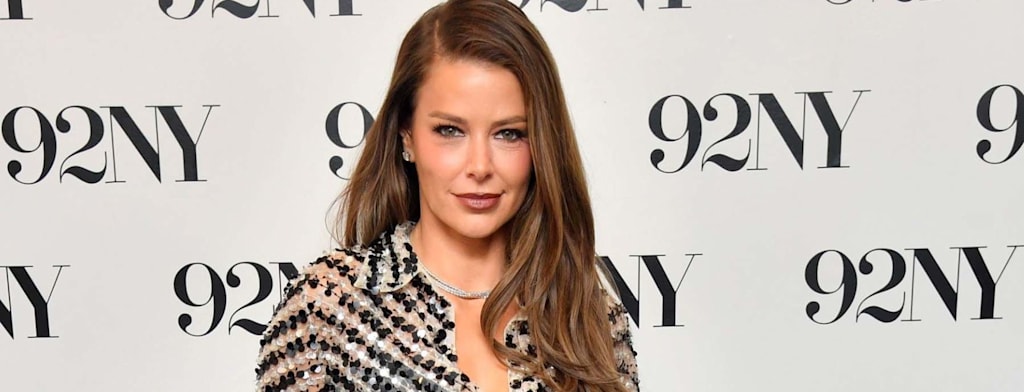
Ariana Madix’s conversation with Vanity Fair isn’t merely a post-scandal victory lap; it’s a masterclass in transformation. Within three years of becoming the unwitting epicenter of reality TV’s most sensational betrayal, she has alchemized personal devastation into professional triumph: a Broadway run that broke 30-year box office records, billboards across Los Angeles, a Love Island USA hosting gig, and now an Emmy nomination. Yet to attribute this renaissance solely to “Scandoval” is to miss the point entirely. The scandal was a catalyst, not the cause. What propelled Madix forward was something far more durable: the hard-won authenticity of someone who had already survived cancer, financial precarity, disordered eating, and the suffocating performance demands of reality TV long before cameras caught her ex in flagrante delicto. Her current success isn’t redemption; it’s revelation.
Central to this evolution is Madix’s candid reflection on the toxic ecosystem of Vanderpump Rules. Filming at SUR, Pump, and Villa Blanca wasn’t just backdrop; it was a pressure cooker where alcohol functioned as both social lubricant and narrative fuel. “My best work is when I was drinking,” she admits, acknowledging that “Drunk Ariana” was less inhibited, more entertaining, and ultimately more marketable. This confession exposes a systemic issue endemic to Bravo’s early-era productions: the conflation of intoxication with authenticity. When environments normalize excessive consumption as entertainment, vulnerability becomes performance, and self-preservation requires masking. Madix’s “coolness” on camera wasn’t innate confidence; it was armor against social anxiety, a curated persona designed to survive an industry that rewarded chaos over coherence. Only in sobriety could she distinguish between being real for the camera and being true to herself.
Her path underscores another uncomfortable reality: early-season Vanderpump Rules cast members weren’t born into privilege or nepotism. Madix bartended between shoots because her per-episode pay couldn’t cover rent. Brand deals were nonexistent without social capital. She lacked the luxury of saying no, a constraint that shaped her resilience but also her compromises. Contrast this with today’s reality stars, many of whom enter production with pre-existing fame or family wealth. Madix’s hustle wasn’t optional; it was existential. This grounding in ordinary struggle informs her empathy as a host. Love Island showrunner Ben Thursby-Palmer credits her Emmy nod not to polished presentation, but to her “genuine love for the people on the show.” She extracts honesty from contestants because she recognizes their performances as survival tactics, having worn similar masks herself.
Madix’s vulnerability extends beyond career narratives into deeply private terrain. She speaks openly about melanoma (now cancer-free), body makeup concealing scars, arm insecurities despite rigorous fitness, and past eating disorders. Most remarkably, she once discussed vaginal insecurity on national television a rarity that normalizes female bodily anxiety in spaces typically dominated by curated perfection. These disclosures aren’t oversharing; they’re acts of reclamation. After years of performing wellness while privately struggling, she now integrates fragility into her public identity without letting it define her. This balance of strength tempered by transparency is what resonates with audiences and voters alike.
The Emmy nomination itself signals a cultural shift. Television Academy voters have historically dismissed dating shows as frivolous, yet Madix broke through by embodying something the genre rarely showcases: unmediated human connection. Her success suggests that authenticity, when rooted in lived experience rather than manufactured drama, can transcend format limitations. More importantly, it challenges the assumption that reality TV requires perpetual masking to survive. Madix proves otherwise: shedding performance can be the ultimate power move.
Is she an anomaly? Perhaps. But anomalies often precede paradigms. In an era demanding accountability from unscripted television, Madix models a new archetype: the host who leads not with authority, but with earned empathy. Her journey reminds us that scandal may open doors, but only integrity keeps them open. And in a landscape saturated with manufactured personas, her greatest rebellion might simply be this: showing up, fully and imperfectly, as herself.
About the Creator
Mark Lim
Hi I am mark an automotive student and a car, tech and food enthusiast ! Im gonna try and post daily & hope you enjoy what I write and do share my page with people you know. I would gladly appreciate it! Cheers
Enjoyed the story? Support the Creator.
Subscribe for free to receive all their stories in your feed. You could also become a paid subscriber, letting them know you appreciate their work.
Comments
There are no comments for this story
Be the first to respond and start the conversation.