
African Heritage Traditions from the American South: Food as Culture, Connection, and Continuity
Roots Across Continents Staples That Shaped a Region Recipes Carried Through Generations Keeping Heritage Alive in Oregon Today

Food is far more than sustenance; it is memory made tangible, history served on a plate, and culture passed from one hand to the next. In African Heritage Traditions from the American South, published by Food Hero, the rich, living legacy of African‑descended foodways is explored, tracing a journey that began in Central and West Africa, crossed oceans, took root in the American South, and continues to nourish communities as far away as Oregon. It is a story of survival, adaptation, and joy, woven into every ingredient and every shared meal.
A Heritage Carried Across the Ocean
The foundations of this culinary tradition were laid hundreds of years ago, when peoples from Central and West Africa brought seeds, knowledge, and cooking methods with them to the Caribbean and the Americas. In the American South, those traditions met new climates, new landscapes, and new circumstances, and they flourished. Gardens, fields, and forests yielded ingredients that became staples: beans, corn, greens, hot peppers, melon, okra, peanuts, rice, squash, sweet potatoes, and tomatoes. Some okra, peanuts, certain peppers, and rice travelled directly from Africa. Others were discovered or adopted in the South, yet prepared and seasoned in ways that echoed home. Together, they formed a cuisine both deeply rooted and constantly evolving.
Cooking became an act of care as much as craft. “Cooking with love and a caring attitude is an important part of the African heritage food culture,” the publication notes. Meals were shared at home, at cookouts, reunions, and church gatherings moments that offered comfort, built community strength, and wove people together. Recipes were passed down not as precise measurements alone, but as stories, techniques, and flavours, living connections that strengthened family bonds and created lasting memories.
Ingredients That Tell a Story
Each staple carries its own history. Okra, used to thicken stews and lend texture to dishes, is a direct link to West African cooking. Sweet potatoes, often slow‑roasted or candied, became symbols of home and celebration. Leafy greens, collards, mustard, and turnip simmered long and low with seasoning, transforming humble produce into something nourishing and deeply meaningful. Corn, ground into meal or simmered as kernels, appeared in cornbread, succotash, and porridges, bridging Indigenous, African, and Southern traditions. These were not ingredients chosen by chance; they were foods that thrived in the region, sustained communities through hard times, and carried the tastes of identity.
From the South to the Pacific Northwest
Today, that heritage travels onward. In Gresham, Oregon, a group called Grandma’s Hands, supported by the Black Food Sovereignty Coalition and Rockwood Community Development Corporation, grows African heritage foods, cooks together, and preserves elders' knowledge. Their voices capture what food means beyond the table. “When I cook, I think of the connection I had with my family living in the South at a young age,” says Mildred Braxton. “We had cookouts and community connecting, joking, laughing, and having a good time it always felt like family reunion.” For Vanessa Chambers, it is the scent of meals coming together that brings it all back. For Marchane Lawson, it is the colours, the conversations, and the warmth: “There’s culture in the food and in all the colours.”
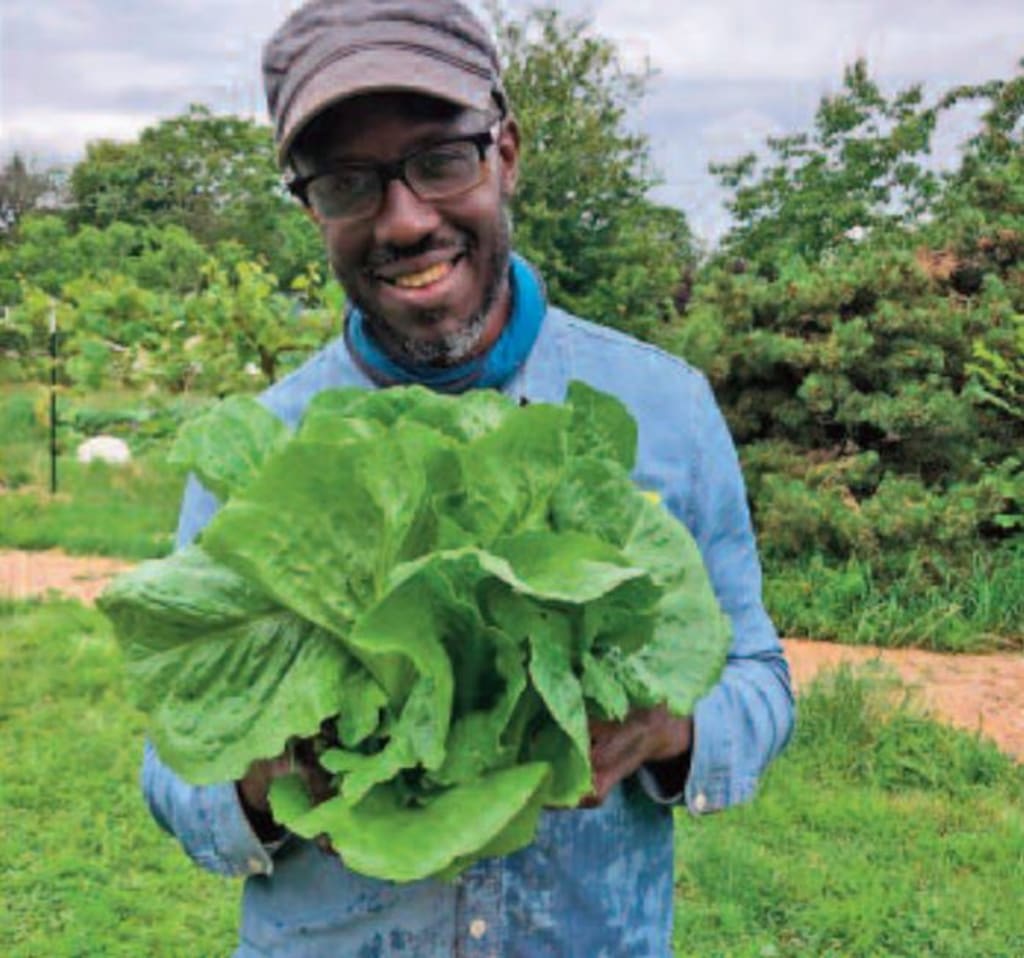
Malcolm, a farmer featured in the Oregon Harvest for Schools video, grows these same crops on his land, bringing generations together to harvest and prepare them. The message is clear: African heritage food is not something frozen in the past; it is growing, living, and feeding new communities in new places. Many of the traditional staples okra, sweet potatoes, greens, squash, and corn, thrive in Oregon’s climate, making it possible to carry these traditions forward wherever families settle.
Recipes That Keep the Story Going
Two dishes featured in the publication Succotash and Cornbread illustrate how simple, flexible ingredients come together into something deeply satisfying. Succotash unites corn, lima beans, okra, and tomatoes, simmered gently until flavours blend and vegetables soften. The recipe encourages creativity: adjust quantities, add garlic, thyme, basil, or hot sauce, and use whatever is fresh or in season. Cornbread, golden and tender, is equally adaptable, served warm at breakfast or alongside dinner; it is a staple that turns basic ingredients into comfort. Both dishes reflect the heart of this cuisine: resourcefulness, generosity, and the understanding that the best meals are made with what is available, shared with those you love.
Heritage as a Living Practice
At its core, this publication reminds us that preserving African heritage foodways is about more than keeping old recipes. It is about growing the ingredients, teaching the next generation to cook, gathering around the table, and remembering where the food and the people came from. It is about seeing the connection between the seeds planted, the hands that tend them, and the stories served up with every bite. Whether in Georgia, Texas, or Oregon, the tradition continues: cooking with care, sharing freely, and passing the gift on.
About the Creator
Mark Lim
Hi I am mark an automotive student and a car, tech and food enthusiast ! Im gonna try and post daily & hope you enjoy what I write and do share my page with people you know. I would gladly appreciate it! Cheers
Enjoyed the story? Support the Creator.
Subscribe for free to receive all their stories in your feed.
Comments
There are no comments for this story
Be the first to respond and start the conversation.