
AEPS Service: Transforming Rural Banking in India
AEPS Service
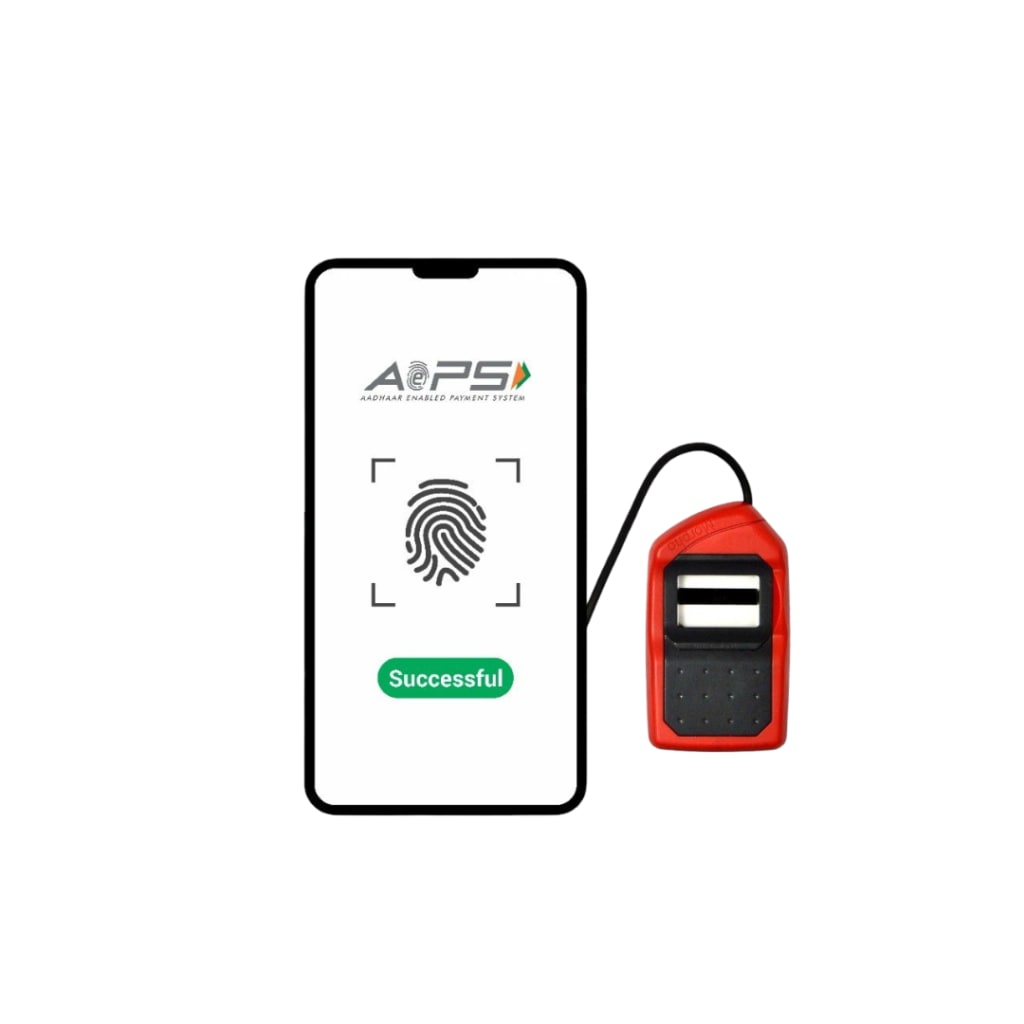
India’s digital revolution has reached every corner of the country, and rural areas are no exception. For decades, rural banking faced challenges such as limited bank branches, poor connectivity, and lack of access to formal financial services. The introduction of the Aadhaar Enabled Payment System (AEPS) has transformed this scenario by enabling secure, quick, and simple banking services even in remote villages. AEPS service is now recognized as one of the most powerful innovations in financial inclusion, bridging the gap between urban and rural economies.
What is AEPS Service?
AEPS, or Aadhaar Enabled Payment System, is a digital banking initiative that allows people to perform basic financial transactions using their Aadhaar number and fingerprint authentication. Unlike traditional banking, AEPS does not require debit cards, ATMs, or even internet banking. A customer simply needs their Aadhaar-linked bank account and biometric authentication to carry out transactions such as balance inquiry, cash withdrawal, fund transfer, and mini statements. This has made banking more accessible to rural citizens who often lack debit cards or knowledge of online banking.
Why AEPS Matters for Rural Banking
Rural India faces many obstacles when it comes to accessing financial services. Villagers often need to travel long distances to reach a bank branch, which is both time-consuming and costly. Many people are unfamiliar with mobile apps or online banking. AEPS service solves these problems by bringing banking to the doorstep of every villager. Through local agents, shopkeepers, and Common AEPS Service Provider AEPS enables rural citizens to access essential financial services without needing to visit a bank.
Key Features of AEPS Service
Easy Authentication – AEPS uses Aadhaar and biometrics, eliminating the need for remembering PINs or carrying debit cards.
Accessible Banking – Services are available in local shops, kirana stores, and even through small agents.
Multiple Transactions – AEPS allows balance inquiry, cash withdrawal, deposits, and fund transfers with ease.
Secure and Transparent – The system uses biometric verification, making fraud and unauthorized transactions nearly impossible.
24/7 Availability – Unlike traditional banking hours, AEPS agents can serve customers anytime, making banking flexible.
How AEPS Empowers Rural Citizens
AEPS SOFTWARE service empowers rural citizens by giving them access to financial services right at their doorstep. Farmers can withdraw subsidies, daily wage workers can receive government payments, and villagers can send or receive money instantly. AEPS ensures that even people without smartphones or internet access can benefit from digital transactions. This financial empowerment not only improves convenience but also enhances trust in the banking system.
AEPS and Government Welfare Schemes
The Indian government has made significant use of AEPS ADMIN in delivering subsidies and welfare benefits directly to beneficiaries. Schemes such as MNREGA, pensions, LPG subsidies, and other direct benefit transfers (DBT) are disbursed into Aadhaar-linked accounts. Beneficiaries can withdraw these funds easily from their nearest AEPS agent, eliminating delays and middlemen. This direct benefit transfer model has significantly reduced corruption and leakages in government schemes.
AEPS Agents and Business Opportunities
AEPS has also created new income opportunities for individuals in rural areas. Small shopkeepers, distributors, and entrepreneurs can become AEPS agents and offer banking services in their local communities. This not only helps them earn commissions but also strengthens their role as trusted service providers in their villages. For many rural youth, AEPS has become a gateway to entrepreneurship and financial stability.
Security and Trust in AEPS Transactions
Security is a critical factor in financial services. AEPS transactions are authenticated through biometrics, making them safe and reliable. Every transaction is recorded, and customers receive instant confirmations, which increases trust. Since no cards or passwords are required, the chances of misuse are very low. This makes AEPS a reliable solution for financial services in villages where awareness about cyber fraud is limited.
The Future of AEPS in India
The future of AEPS looks promising as more banks, fintech companies, and software providers invest in strengthening its infrastructure. With increased internet connectivity and the spread of digital literacy, AEPS is expected to expand further, reaching even the most remote corners of India. Combined with other digital payment systems like UPI and mobile wallets, AEPS will play a vital role in building a cashless, inclusive economy.
Conclusion
AEPS service has truly transformed rural banking in India. By enabling simple, secure, and accessible transactions, it has removed barriers that once excluded millions of people from the formal financial system. Today, farmers, laborers, pensioners, and villagers can all access essential banking services within their locality. AEPS not only empowers citizens but also creates new opportunities for agents, retailers, and fintech entrepreneurs. As technology continues to evolve, AEPS will remain a cornerstone of India’s journey towards financial inclusion.
In the growing fintech landscape, the contribution of AEPS Portal provider, AEPS B2B Software, AEPS Admin Software, Aadhaar Enabled Payment System Software, AEPS Solution provider, AEPS Banking Software, AEPS Software for Agents, AEPS API Software, AEPS API, AEPS API Provider, AEPS API solution, AEPS Software development company, AEPS Software development, and B2B Mobile Recharge Software will play a major role in expanding digital financial access across rural India.
About the Creator
Enjoyed the story? Support the Creator.
Subscribe for free to receive all their stories in your feed.
Comments
There are no comments for this story
Be the first to respond and start the conversation.