
Advantages of using fabricated sections in construction projects
Improved Structural Efficiency and Reduced Material Waste
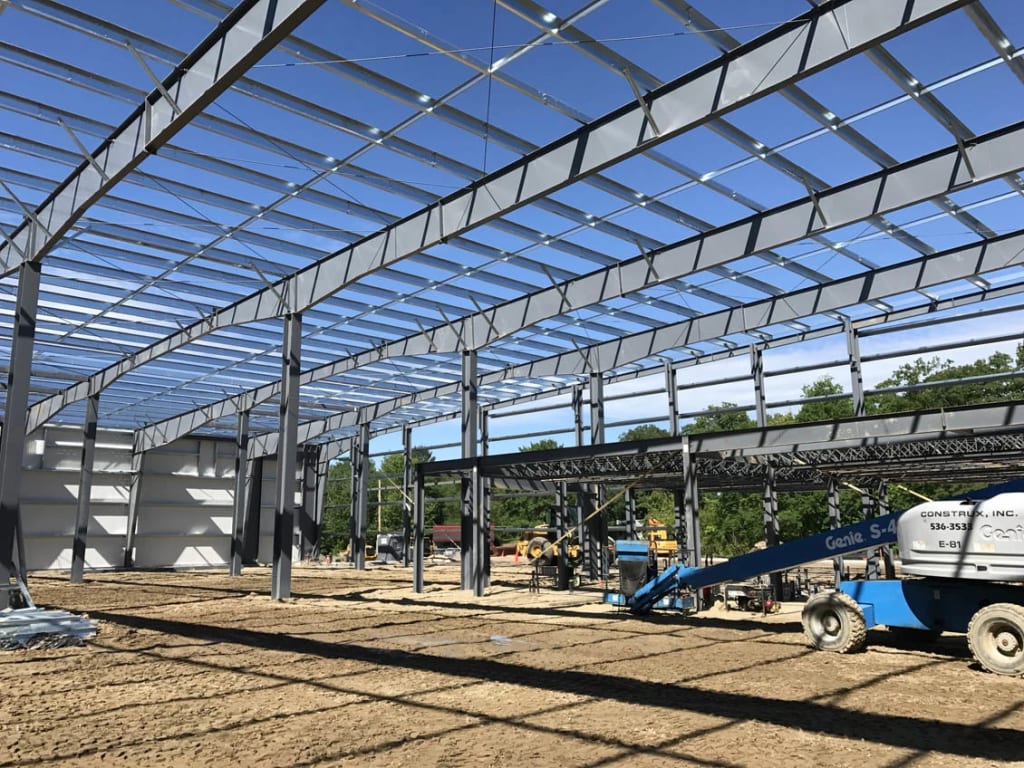
With pre-fabricated sections, there is a reduced risk of structural failure compared to traditional construction methods. This is because the components are engineered and tested before they are installed on the construction site. In the field of construction, fabricated sections have become an increasingly popular choice due to their numerous advantages over traditional construction methods. Fabricated sections are pre-engineered structural components that are designed and fabricated off-site, then delivered to the construction site for installation. These components can include beams, columns, trusses, and other types of structural elements. In this article, we will explore the many advantages of using fabricated sections in construction projects.
Cost Savings
- Reduced labor costs . One of the key advantages of using fabricated sections is that they can significantly reduce labor costs. Because these sections are pre-engineered and fabricated off-site, they require fewer workers and less time for installation on the construction site.
- Shortened construction time. Another significant advantage of fabricated sections is that they can speed up the construction process. With pre-fabricated components, there is no need for on-site cutting or welding, which can save time and reduce the risk of errors.
- Lower transportation costs. Fabricated sections can also help to reduce transportation costs. Because they are designed to fit precisely into a particular project, they can be shipped to the construction site in a more compact form than raw materials, which can significantly reduce transportation costs.
- Examples of cost savings in real-world projects. There are many real-world examples of projects that have realized significant cost savings by using fabricated sections. For instance, the Empire State Building was built using a pre-fabricated steel frame, which allowed the project to be completed in just 14 months.
Improved Structural Integrity
- Fabricated sections are engineered for strength and stability . Because fabricated sections are pre-engineered and fabricated in a controlled environment, they are designed to meet exact specifications and standards for strength and stability.
- Reduced risk of structural failure. With pre-fabricated sections, there is a reduced risk of structural failure compared to traditional construction methods. This is because the components are engineered and tested before they are installed on the construction site.
- Ability to customize fabricated sections to meet specific project requirements . One of the key advantages of fabricated sections is that they can be customized to meet specific project requirements. This means that designers and builders can create unique and innovative structures that would be difficult or impossible to achieve with traditional construction methods.
- Examples of how fabricated sections have improved structural integrity in construction projects . There are many examples of how fabricated sections have improved structural integrity in construction projects, such as the Burj Khalifa in Dubai, which is the tallest building in the world. The building's steel frame was pre-fabricated off-site, which allowed for greater precision and minimized the risk of errors during construction.
Sustainability
- Reduced waste during the fabrication process . Fabricated sections can help to reduce waste during the fabrication process, as they are created in a controlled environment with minimal waste.
- Lower carbon footprint . By reducing waste and transportation costs, fabricated sections can also help to lower the carbon footprint of construction projects.
- Reduced need for on-site cutting and welding . Because fabricated sections are pre-fabricated off-site, there is a reduced need for on-site cutting and welding, which can reduce the risk of accidents and minimize the impact of construction on the surrounding environment.
- Examples of sustainable construction projects that have used fabricated sections . There are many sustainable construction projects that have used fabricated sections, such as the Bullitt Center in Seattle, which is designed to be the greenest commercial building in the world. The building's components were pre-fabricated off-site to minimize waste and energy use during construction.
Design Flexibility
- There is a vast selection of shapes and sizes to choose from. Fabricated sections can be created in a wide range of shapes and sizes, allowing for greater design flexibility.
Conclusion
Overall, the advantages of using fabricated sections in construction projects are clear. They can save money, improve structural integrity, promote sustainability, offer design flexibility, and enhance safety. There are plenty of real-world examples of successful projects that have utilized fabricated sections, which provides further evidence of their effectiveness. We hope that this article has helped you understand why there is a call to action for increased adoption of these components in construction projects. With the continued development and innovation in fabrication technology, it is likely that the use of fabricated sections will become even more widespread in the future
About the Creator
JSPL USA
JSPL Structurals is a leading manufacturer and supplier of high-quality structural steel products based in India. The company is a division of Jindal Steel & Power Ltd., a renowned steel and power company with a global presence.
Enjoyed the story? Support the Creator.
Subscribe for free to receive all their stories in your feed.
Comments
There are no comments for this story
Be the first to respond and start the conversation.