
Acupuncture for Menopause Management: How Effective Is It?
Acupuncture for Menopause
Menopause is a natural yet transformative phase in every woman’s life, often accompanied by symptoms that can disrupt daily comfort, emotional balance, and overall quality of life. From relentless hot flashes and night sweats to mood swings, insomnia, and fatigue, navigating this hormonal shift can be challenging. While hormone therapy has long been the conventional remedy, many women today are seeking safer, drug-free alternatives. Enter acupuncture for menopause—a time-honored healing technique rooted in Traditional Chinese Medicine that is gaining recognition in modern healthcare circles. With growing scientific research supporting its benefits, acupuncture is increasingly being used to ease menopause symptoms naturally, without the risks associated with pharmaceutical treatments. But how effective is it really? In this in-depth article, we explore the evidence-backed outcomes of acupuncture for menopause, expert insights, and how it compares to conventional therapies—revealing a promising, holistic path to balanced well-being during menopause and beyond.
Understanding Menopause and Its Challenges
Menopause is a natural biological process signifying the end of a woman's reproductive years, typically occurring between the ages of 45 and 55. This phase is characterized by a decline in estrogen and progesterone levels, leading to various physical and emotional symptoms. Common challenges include:
Vasomotor symptoms: Hot flashes and night sweats.
Sleep disturbances: Insomnia or disrupted sleep patterns.
Mood changes: Irritability, anxiety, and depression.
Cognitive issues: Memory lapses and difficulty concentrating.
Urogenital problems: Vaginal dryness and urinary incontinence.
These symptoms can significantly impact a woman's quality of life, prompting the exploration of alternative therapies like acupuncture for menopause.
The Role of Acupuncture in Menopause Management
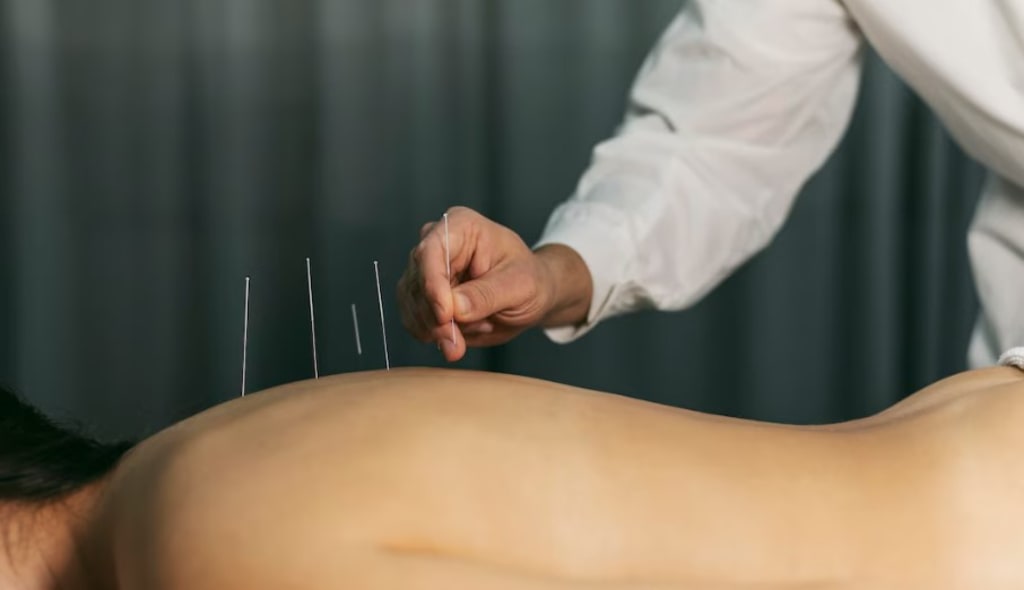
Acupuncture, a key component of Traditional Chinese Medicine (TCM), involves inserting fine needles into specific points on the body to balance the flow of energy or "Qi." This practice is believed to stimulate the nervous system, releasing chemicals that influence the body's internal regulating system.
Mechanisms of Action
While the exact mechanisms remain under investigation, several theories suggest how acupuncture for menopause may alleviate symptoms:
Neuroendocrine modulation: Acupuncture may influence the hypothalamic-pituitary-ovarian axis, regulating hormone levels.
Thermoregulatory effects: It might stabilize the body's temperature control, reducing hot flashes.
Endorphin release: Acupuncture can stimulate the release of endorphins, improving mood and reducing pain perception.
Autonomic nervous system balance: It may help balance the sympathetic and parasympathetic nervous systems, promoting relaxation and sleep.
Evidence-Based Findings on Acupuncture for Menopause
Numerous studies have explored the efficacy of acupuncture for menopause, focusing on symptom relief and quality of life improvements.
Reduction in Hot Flashes
One of the most common and distressing symptoms experienced by menopausal women is hot flashes, often described as sudden, intense feelings of warmth typically affecting the face, neck, and chest, accompanied by sweating and sometimes followed by chills. These episodes can significantly disrupt daily activities and sleep, leading to fatigue and reduced quality of life.
A comprehensive meta-analysis published in the journal Menopause evaluated 12 randomized controlled trials involving 869 women to assess the effects of acupuncture for menopause, specifically targeting hot flashes. The findings were notable—acupuncture led to a statistically significant reduction in both the frequency and intensity of hot flashes compared to control groups. The study emphasized that women receiving acupuncture experienced relief similar to or greater than those on sham acupuncture, and markedly more than women receiving no treatment at all. It concluded:
“Acupuncture significantly reduced the frequency and severity of hot flashes and improved menopause-related symptoms and quality of life.”
— Menopause, 2014
The authors further noted that these benefits were evident even after the cessation of treatment, indicating that acupuncture may produce long-lasting therapeutic effects, potentially due to its impact on the autonomic nervous system and hypothalamic thermoregulation.
Improvement in Quality of Life
Menopause doesn't just affect women physically—it often carries emotional and psychological burdens that alter overall well-being. Symptoms like mood swings, anxiety, sleep disturbances, and decreased libido can significantly hinder social interactions, professional performance, and intimate relationships. Therefore, researchers have increasingly focused on how interventions like acupuncture for menopause can improve broader quality of life measures.
The ACUFLASH study—one of the most robust, multicenter, pragmatic randomized controlled trials on this subject—investigated the effects of traditional Chinese acupuncture on postmenopausal women over 12 weeks. The study involved over 260 women experiencing frequent hot flashes, randomly assigned to either acupuncture or control groups. Findings revealed that women in the acupuncture group had a 5.8 average reduction in hot flashes per 24-hour period, compared to a 3.7 reduction in the control group. But beyond numbers, what was remarkable was the overall improvement in sleep quality, energy levels, emotional stability, and reduced anxiety.
“The reduction in hot flashes was accompanied by a noticeable improvement in health-related quality of life, particularly in vasomotor, sleep, and somatic domains.”
— ACUFLASH Study, 2009
The study also reported no serious adverse events, reinforcing acupuncture's safety profile. Participants described acupuncture sessions as relaxing and restorative—another layer of value that pharmacological solutions often lack.
Comparative Studies with Hormone Therapy
Hormone therapy (HT) has long been considered the gold standard for managing moderate to severe menopausal symptoms, especially hot flashes and vaginal dryness. However, HT has been associated with risks such as increased chances of blood clots, stroke, and certain types of cancer, particularly breast and endometrial cancers. Consequently, the medical community and patients alike have expressed interest in effective non-hormonal alternatives, such as acupuncture for menopause.
A 2021 systematic review and meta-analysis published in Medicine (Baltimore) compared the physiological effects of acupuncture with those of HT. The review evaluated randomized controlled trials where serum hormone levels were measured before and after treatment. The findings indicated that acupuncture had the potential to increase circulating estradiol (E2) and reduce follicle-stimulating hormone (FSH) and luteinizing hormone (LH) levels—biomarkers commonly altered during menopause.
“Acupuncture may have similar regulatory effects on serum sex hormone levels as hormone therapy, offering a safer alternative without the adverse effects linked to HT.”
— Medicine (Baltimore), 2021
This suggests a biologically measurable impact of acupuncture on the endocrine system, possibly via its interaction with the hypothalamic-pituitary-ovarian (HPO) axis. These hormonal shifts may explain the observed improvements in vasomotor symptoms, mood, and sleep quality in acupuncture-treated groups.
Moreover, researchers noted the sustainability of results, where benefits persisted for several weeks post-treatment. This aspect of longevity is particularly important for women who wish to manage menopause naturally, without ongoing reliance on medication.
Addressing Perimenopausal Depression
While physical symptoms like hot flashes and fatigue are often the most visible signs of menopause, emotional disturbances such as depression, irritability, and low self-esteem can be just as debilitating. Perimenopausal depression affects up to 20–30% of women in midlife, and conventional antidepressants—while effective for some—often carry undesirable side effects and stigma. This makes acupuncture for menopause-related depression an important area of interest.
A rigorous study published in Evidence-Based Complementary and Alternative Medicine compared acupuncture with fluoxetine (Prozac), a common antidepressant, in treating perimenopausal depression. Over eight weeks, 140 women were enrolled and randomized into two groups—one receiving acupuncture and the other fluoxetine. The Hamilton Depression Rating Scale (HDRS) scores were measured at baseline and at the end of the trial.
The acupuncture group showed statistically significant reductions in HDRS scores, comparable to the fluoxetine group. However, unlike the medication group, women receiving acupuncture reported fewer side effects, better sleep, and enhanced general well-being.
“Acupuncture showed superior long-term efficacy and safety compared to antidepressants in managing perimenopausal depression.”
— Evid Based Complement Alternat Med, 2020
Notably, the follow-up phase revealed lower relapse rates in the acupuncture group, suggesting that it may offer more sustainable mental health benefits over time. This could be attributed to acupuncture's role in modulating neurotransmitters like serotonin and dopamine, as well as enhancing parasympathetic activity to promote calmness and resilience.
Expert Opinions and Clinical Guidelines
While evidence supports the benefits of acupuncture for menopause, some experts urge caution due to variability in study designs and methodologies. The Cochrane Review highlighted:
"When acupuncture was compared with sham acupuncture, there was no evidence of any difference in their effect on hot flushes. However, when compared with no treatment, acupuncture appeared to be beneficial." (Cochrane)
This suggests that while acupuncture may offer relief, more rigorous studies are needed to fully understand its efficacy.
Integrating Acupuncture into Menopause Management
For women considering acupuncture for menopause, it's essential to consult with healthcare providers to ensure a comprehensive approach. Acupuncture can be integrated with other lifestyle modifications, such as:
Dietary adjustments: Incorporating phytoestrogen-rich foods like soy.
Regular exercise: Engaging in aerobic and strength-training activities.
Stress management: Practicing mindfulness, yoga, or meditation.
Combining these strategies can enhance overall well-being during the menopausal transition.
Conclusion: Dao Integrated Health's Commitment to Women's Wellness!
At Dao Integrated Health, we recognize the unique challenges women face during menopause. Our holistic approach combines traditional acupuncture techniques with modern medical insights to provide personalized care. By focusing on the individual's needs, we aim to alleviate symptoms and improve quality of life.
Our experienced practitioners specialize in acupuncture for menopause, addressing a range of symptoms from hot flashes to mood disturbances. We are dedicated to empowering women through every stage of life, offering support, education, and effective treatment options. Contact us now!
Frequently Asked Questions (FAQs)
Q-1: How many acupuncture sessions are typically needed for menopause symptom relief?
Ans: The number of sessions varies based on individual needs. However, many women experience noticeable improvements after 6 to 12 sessions, with ongoing maintenance as needed.
Q-2: Is acupuncture safe for all women undergoing menopause?
Ans: Acupuncture is generally safe when performed by licensed practitioners. It's essential to discuss any health conditions or concerns with your provider before starting treatment.
Q-3: Can acupuncture replace hormone replacement therapy (HRT)?
Ans: While acupuncture can alleviate many menopausal symptoms, it may not replace HRT for all women. It's best used as a complementary therapy, and decisions should be made in consultation with healthcare providers.
Q-4: Are there any side effects associated with acupuncture?
Ans: Side effects are rare but may include minor bruising or soreness at needle sites. Serious complications are uncommon when treatment is administered by qualified professionals.
About the Creator
Daointegrated Health
DAO Integrated Health provides personalized healthcare solutions combining traditional and holistic practices. Their services include acupuncture, herbal medicine, and lifestyle counseling,
Enjoyed the story? Support the Creator.
Subscribe for free to receive all their stories in your feed.
Comments
There are no comments for this story
Be the first to respond and start the conversation.