
A Guide to Trampoline Parks in USA: Activities, Safety, and What to Expect
Trampoline parks have become a common form of indoor recreation in the United States, combining trampoline-based activities with other physical challenges and games.

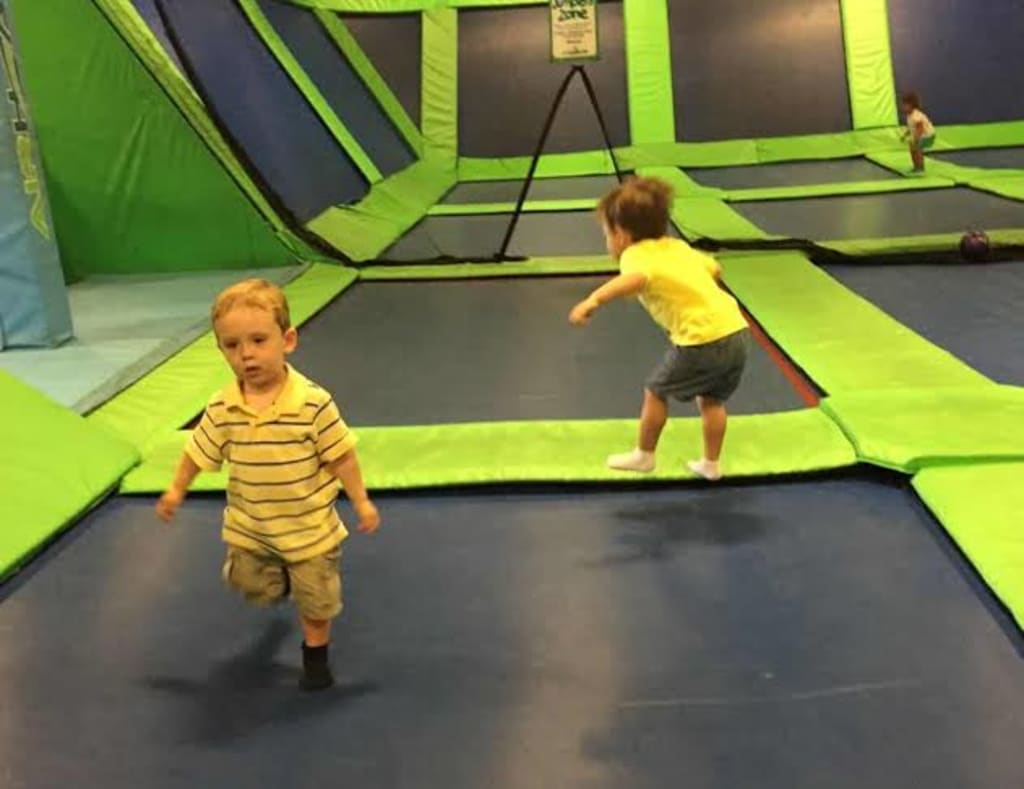
Trampoline parks have become a common form of indoor recreation in the United States, combining trampoline-based activities with other physical challenges and games. Unlike traditional outdoor playgrounds, these facilities generally operate in large indoor spaces where interconnected trampolines, padded areas, climbing structures, and designated activity zones can be used throughout the year.
For people unfamiliar with this type of recreation, understanding how trampoline parks operate, what activities are typically available, and which safety practices are important can make a visit easier to navigate. Rules and facilities vary between locations, so visitors should always check the requirements of the specific facility they plan to use.
What Are Trampoline Parks?
A trampoline park is an indoor recreational facility designed around trampolines and related physical activities. Instead of having a single conventional trampoline, these facilities may use multiple interconnected trampoline surfaces that cover portions of the floor and walls.
Many parks divide their facilities into separate areas according to the activity. Common zones can include open-jump areas, basketball courts with trampolines, dodgeball courts, foam-pit areas, climbing attractions, and obstacle courses.
The exact layout depends on the facility. Some locations are primarily focused on trampoline activities, while others combine trampolines with several types of indoor recreation.
Common Activities at Trampoline Parks in USA
Activities differ between facilities, but several types are frequently found at trampoline parks in USA.
Open Jump Areas
Open-jump areas typically provide interconnected trampolines where participants can jump, bounce, and practice basic movements. These areas are generally designed for recreational use rather than formal athletic training. A simple trampoline parks setup typically focuses on basic jumping areas with fewer additional attractions or specialized activities.
Because several people may use the same space, participants are usually expected to maintain awareness of others and avoid movements that could interfere with nearby jumpers.
Trampoline Basketball
Some facilities combine trampolines with basketball hoops. The trampoline surface allows participants to gain additional vertical movement while attempting to shoot or dunk a basketball.
This activity can involve rapid changes in direction and landing, making control and awareness particularly important.
Dodgeball
Trampoline-based dodgeball uses a court with trampoline surfaces instead of a conventional floor. Participants attempt to avoid soft balls while following the rules of the game.
The combination of jumping and throwing can make the activity physically demanding. Facilities may separate participants by age, size, or scheduled session to reduce collisions.
Foam Pits
Foam pits consist of a landing area filled with foam blocks. They may be positioned next to trampolines or other jumping structures.
Although foam provides cushioning, it does not eliminate the possibility of injury. Participants still need to follow instructions about how to enter, land, and exit the pit.
Obstacle Courses
Some trampoline facilities include obstacle courses involving padded platforms, balance elements, climbing sections, or other physical challenges. These activities can require coordination, balance, and upper-body strength.
Obstacle areas often have their own operating rules because participants may move through them at different speeds.
Safety Practices
Safety is one of the most important considerations when using a trampoline facility. Jumping involves repeated takeoffs and landings, and uncontrolled movements can result in falls or collisions.
A basic safety approach includes following posted rules, listening to staff instructions, and using equipment only for its intended purpose.
Follow Facility Rules
Each facility establishes its own requirements for age, weight, clothing, equipment, and permitted activities. Rules may also specify where certain movements are allowed.
Ignoring these requirements can increase the risk of collisions or falls. Visitors should review the rules before entering an activity area.
Maintain Personal Space
Trampolines can create unpredictable movement because participants may land in different locations from where they started. Keeping sufficient distance from other people helps reduce accidental contact.
Flips and other advanced movements should only be attempted where the facility permits them and where the participant has appropriate training and control.
Use Appropriate Clothing
Comfortable athletic clothing is generally more suitable for active trampoline use than loose accessories or clothing that could become caught on equipment.
Facilities may also require specialized grip socks or other footwear. Their requirements should be checked before participating.
Warm Up Before Physical Activity
Jumping and obstacle activities can place repeated demands on the legs, ankles, knees, and other parts of the body. A short warm-up can help prepare the body for physical activity.
People who are not accustomed to vigorous exercise should begin with lower-intensity activities rather than immediately attempting demanding movements.
What to Expect During a Visit
The process of visiting a trampoline park can vary, but many facilities follow a similar structure.
Visitors may need to complete a registration or waiver process before participating. Some facilities require parental or guardian authorization for minors. Identification or other information may also be requested depending on the facility's policies.
After registration, participants may receive instructions about facility rules and designated activity areas. Some locations organize activities into timed sessions rather than allowing continuous access to every area.
A staff member may also explain specific rules before participants enter certain attractions.
Age and Physical Requirements
Trampoline facilities can have different requirements for children, teenagers, and adults. Some activity areas may have minimum or maximum age limits, while others may separate younger children from older participants.
Height, weight, or physical ability can also affect access to particular attractions. These restrictions are usually related to equipment design, participant safety, or the potential for collisions between people of substantially different sizes.
Parents and guardians should check the specific requirements before arriving, especially when visiting with young children.
Health and Physical Considerations
Trampoline activities can provide substantial physical exercise. Repeated jumping may increase heart rate and place stress on muscles and joints.
People with existing injuries, balance problems, or other physical limitations should consider whether these activities are appropriate for them. When there is uncertainty about participating in vigorous physical activity, consulting an appropriate healthcare professional can provide individualized guidance.
Children should also be supervised according to the facility's rules. Adult supervision may be required for certain age groups.
Reducing the Risk of Injury
No recreational activity can completely eliminate the possibility of injury, but sensible behavior can reduce avoidable risks.
Participants should avoid pushing, rough play, intentional collisions, and jumping directly toward another person. Equipment should not be used in ways that conflict with posted instructions.
Advanced movements such as flips can carry additional risk because they require precise body control and landing technique. Beginners should not assume that a padded surface makes every movement safe.
It is also important to stop participating if significant pain, dizziness, or unusual physical symptoms occur.
How Trampoline Parks Differ From Traditional Trampolines
A home trampoline and an indoor trampoline facility are not identical environments. A home trampoline is often used by a small number of people, while a commercial facility may contain multiple interconnected surfaces and several participants. An Indoor Park Player company may provide equipment, design solutions, or planning services for indoor recreational facilities.
Commercial facilities may also have designated activity areas, padding, barriers, staff supervision, and formal operating procedures. However, the presence of safety equipment does not guarantee that injuries cannot occur.
The design, maintenance, staffing, and rules of individual facilities can differ considerably.
Preparing for a Visit
A little preparation can help visitors understand what to expect. Before visiting, it is useful to check the facility's current rules, age requirements, session schedule, clothing requirements, and waiver procedures.
Visitors should also consider the intensity of the planned activities. Someone unfamiliar with trampoline exercise may want to start with basic jumping rather than immediately attempting demanding attractions.
Hydration can also be important during prolonged physical activity, particularly in warm conditions or during extended sessions.
Conclusion
Trampoline parks provide a form of indoor recreation that combines jumping with activities such as basketball, dodgeball, foam-pit exercises, and obstacle courses. Their layouts, rules, and participation requirements vary, so visitors should not assume that policies are identical from one facility to another.
Understanding the activities, following facility instructions, maintaining personal space, and recognizing individual physical limitations are important parts of responsible participation. With appropriate preparation and attention to safety rules, visitors can better understand the environment and make informed decisions about which activities are suitable for them.
About the Creator
Enjoyed the story? Support the Creator.
Subscribe for free to receive all their stories in your feed.
Comments
There are no comments for this story
Be the first to respond and start the conversation.