
A Bald Guy's $400K Hair Tie Business
No Price Wars: How Hair Ties Become Niche Businesses

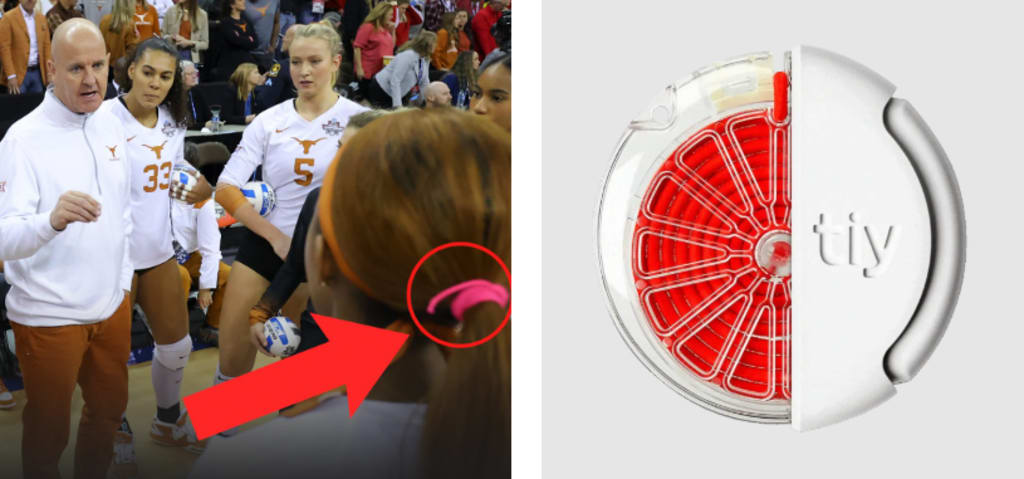
Cut it, knot it, stretch it — and it sells for $20.
A bald man turned a piece of elastic cord into a $400K-a-year business by solving the problem: women athletes constantly stopping to fix their ponytails.
Today, we'll look at several products that carved out profitable niches in the hair tie market and where most similar products are sourced.
But First, Inside the $21B Category
Custom-Fit Hair Ties for Athletes
Solving Ponytail Tangles in High-Motion Use Cases
Scrunchie: Easy to Start, Hard to Differentiate
Hair Tie Supply Chain
But First, Inside the $21B Category
Before we get into the examples, a quick market check:
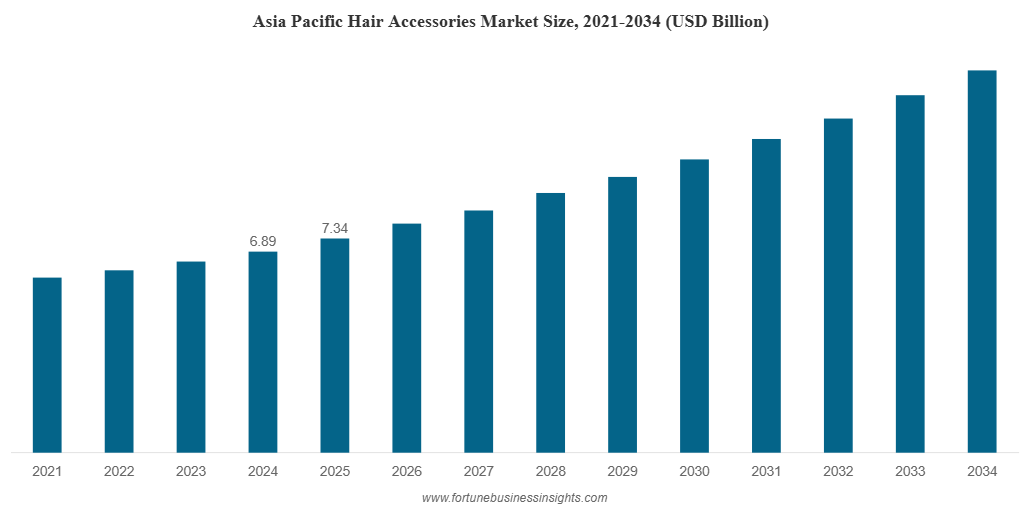
According to Fortune Business Insights, the global hair accessories market was worth $21.01 billion in 2025, growing at a 7.38% CAGR over the past 5 years (2021–2025).
Elastics ties make up the largest product segment, while general stores remain the dominant sales channel, accounting for more than 47% of the market. The online channel is the fastest-growing distribution segment, projected to grow at 9.45% CAGR through 2034.
Custom-Fit Hair Ties for Athletes
The problem
Jerritt Elliott is a women's volleyball coach who noticed a recurring problem during training: athletes constantly had to stop to fix slipping ponytails, and traditional hair ties would often snap under pressure.
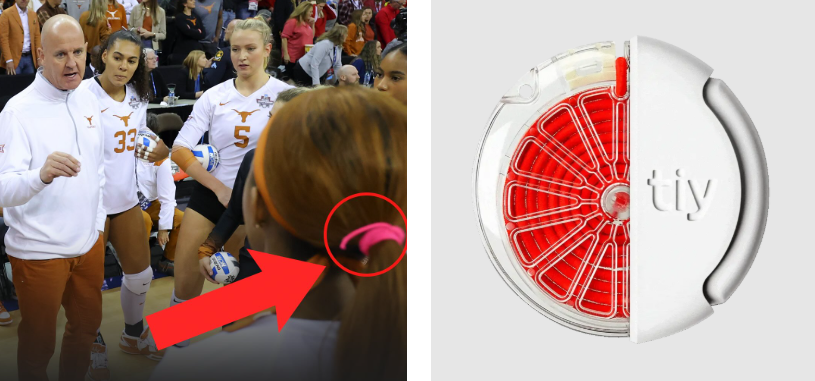
To better understand the issue, he started asking players, friends, and athletes about their experience with hair ties. He then spent around $80 buying almost every type of hair tie on the market, testing different elastic materials and constructions. Soon he found most products were one-size-fits-all — either too tight, too loose, or not durable enough to handle different hair types and activity levels.
The solution
That led him to a product idea: better-quality elastic material and a system that lets users customize the tension themselves.
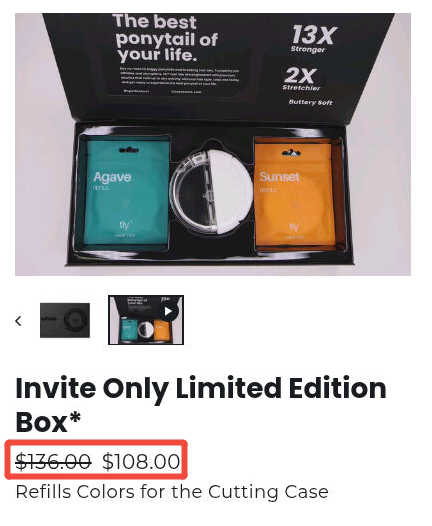
The concept is essentially a hair tie version of a tape dispenser. A spool of elastic cord sits inside an injection-molded plastic case with a built-in cutting blade. Users simply pull out the desired length, wrap it to achieve the right tension, then cut and tie it off to create a custom fit.
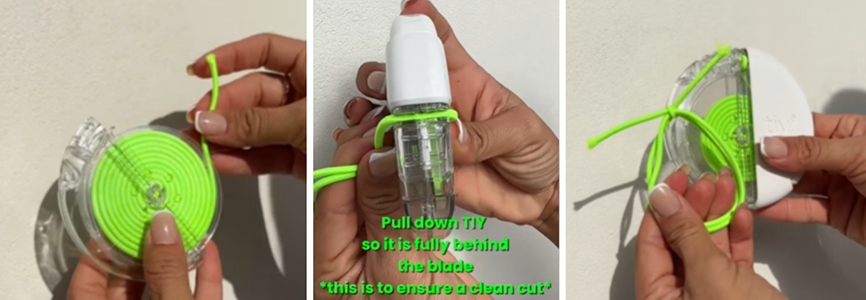
The product is also sold with refill packs in multiple colors, creating a built-in repeat-purchase model.
How it’s made
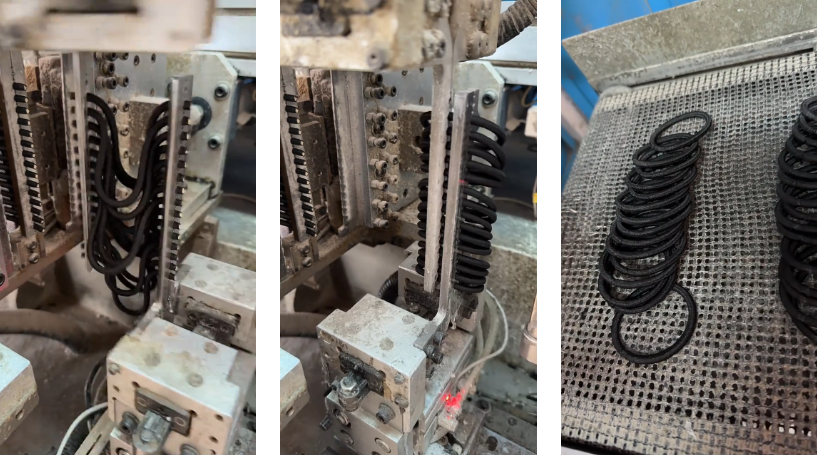
Nowadays, most cord hair ties are mass-produced through seamless heat-bonding processes. It combines a semi-finished elastic cord with an injection-molded dispenser for cut-and-adjust use.
Solving Ponytail Tangles in High-Motion Use Cases
The problem
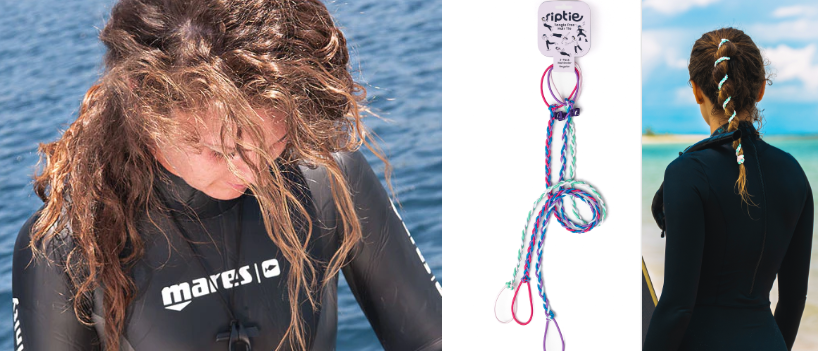
The product idea came from founder Sarah Fox’s frequent diving routine in Guam, where repeated exposure to saltwater and wind led to severe hair tangling. She would often spend hours in the shower using conditioner just to detangle her hair, which also caused long-term hair damage.
The solution
So she started by making tangle-free hair ties for herself, which she later shared with friends and gradually turned into a small business.
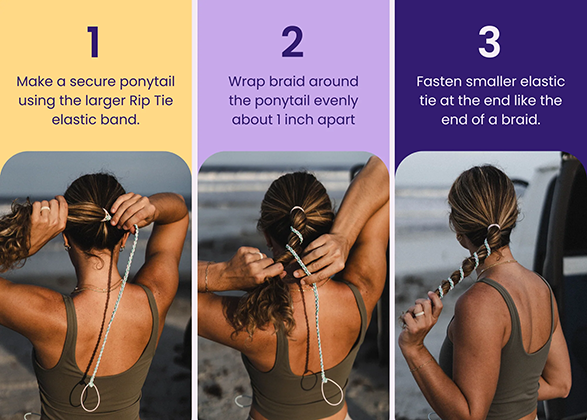
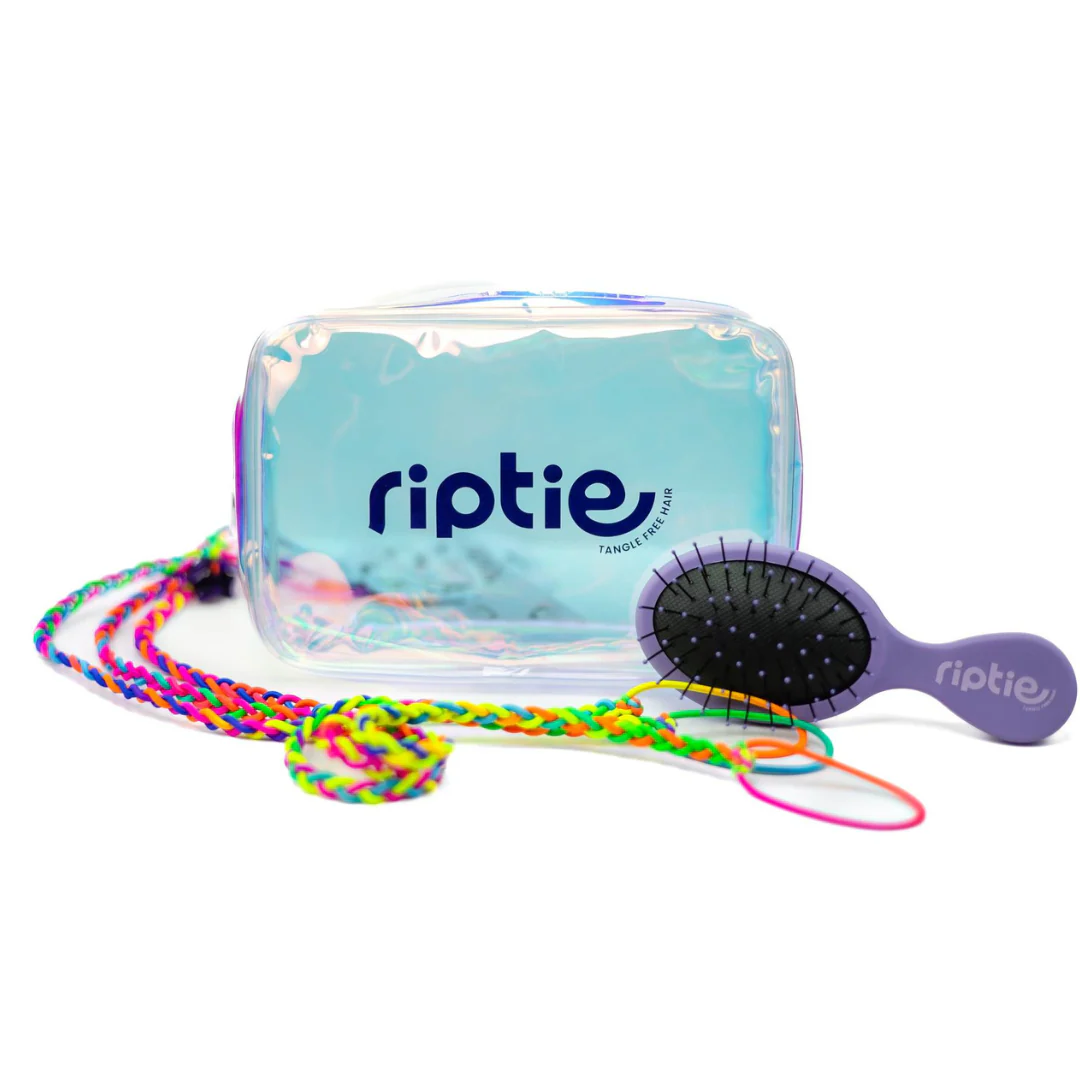
It's relatively simple in structure. It consists of two elastic hair ties acting as anchor points, connected by a 2-strand braided elastic cord that wraps around the ponytail. Once secured, the system holds the hair in place while reducing tangling caused by wind and movement.
As demand grew, production was eventually scaled through manufacturing partners in China, leveraging standard textile manufacturing capabilities from sportswear and accessory supply chains.
The business model
Unexpectedly, the product expanded to a wider set of high-motion environments including surfing, motorcycling, hiking, cycling, and even driving with open windows, essentially any situation where wind and movement turn loose hair into knots.
It is sold primarily through bundled packs and accessory kits, often paired with items like combs or travel pouches, pushing average order value to around $30 per order.
Scrunchie: Easy to Start, Hard to Differentiate
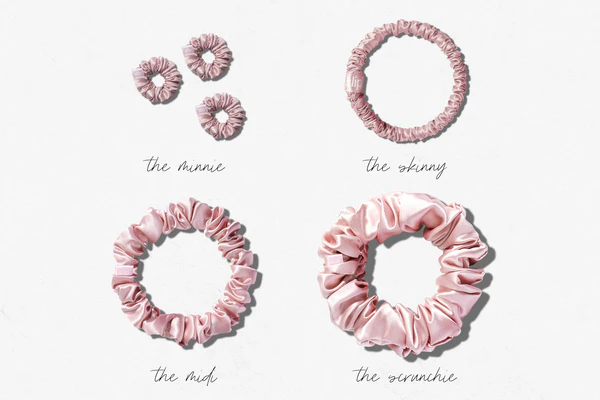
Scrunchies are perhaps the most mainstream and volume-driven product in the hair accessories category. Its structure and manufacturing process are not complex: an outer fabric layer, an inner elastic band, and a sewing process.
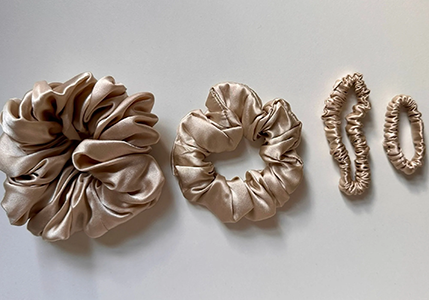
Variations mainly come from
- Fabric (cotton, satin, silk, velvet, sheer, etc.)
- Size (mini, regular, oversized, XXL)
- Shape (round, contoured, pleated, gathered)
- Decorative elements (bows, ruffles, beads, hardware, print patterns)
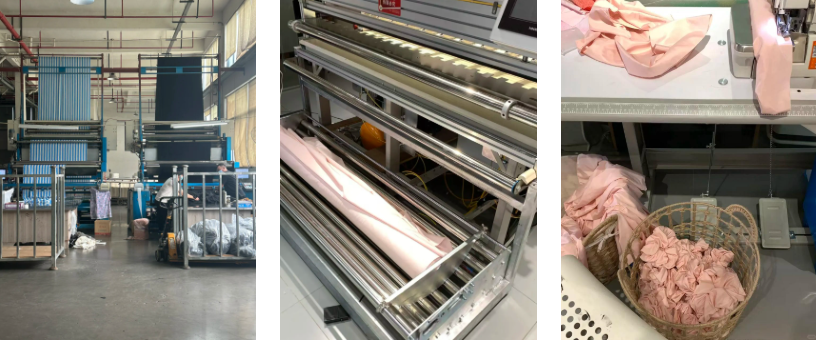
Because of this simplicity, scrunchies naturally became a popular product for small businesses. The raw material cost comes to under $1 per unit. Meanwhile, factory-scale production can output hundreds of pieces per hour, which has led to a highly crowded market with little manufacturing differentiation.
As a result, to stand out, sellers have to compete through marketing, distribution, or specific use-case innovation.
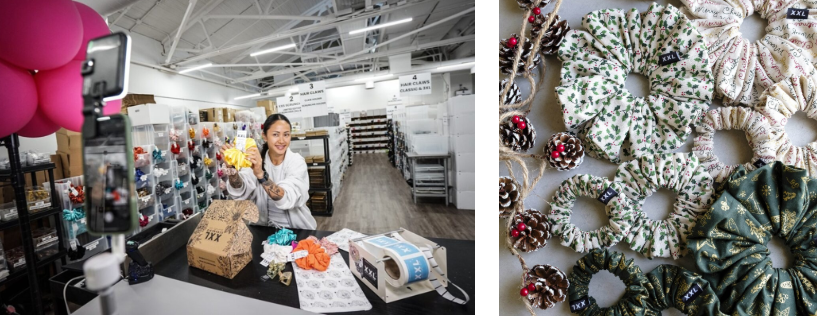
Examples of scrunchie differentiation
Oversized scrunchie niche: Their breakout story: they made their first scrunchie from their mom's old shirt, creating a warm, sustainable narrative with a handmade, family-felt vibe. The story became a powerful marketing asset for the brand.
Others focus on material premiumization. Silk scrunchies have become a natural extension for many sleep and beauty brands, positioned around reduced friction, less hair breakage, and crease-free styling. Premium 16mm mulberry silk can cost several times more than standard scrunchie fabrics, yet finished products commonly retail for $15–$40+.
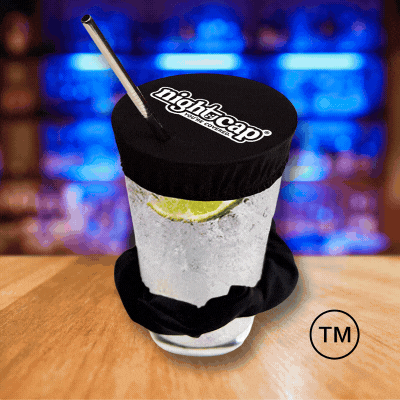
Then there's the Nightcap scrunchie we talked about earlier — a scrunchie that doubles as a drink cover, selling for $10+ per unit on average. It hits a clear pain point: drink safety in bars and nightlife settings.
Hair Tie Supply Chain
Most hair accessory products come from China's supply chain. The industry is concentrated in a few key industrial clusters.
World's largest rubber hair tie production base
Qinyang, Henan is China’s largest production bases for rubber hair ties and related elastic accessories, known for high-volume manufacturing. Annual output is about 28,000 tons of rubber hair ties, with a total production value of around $300M.
Global hair accessory wholesale hub
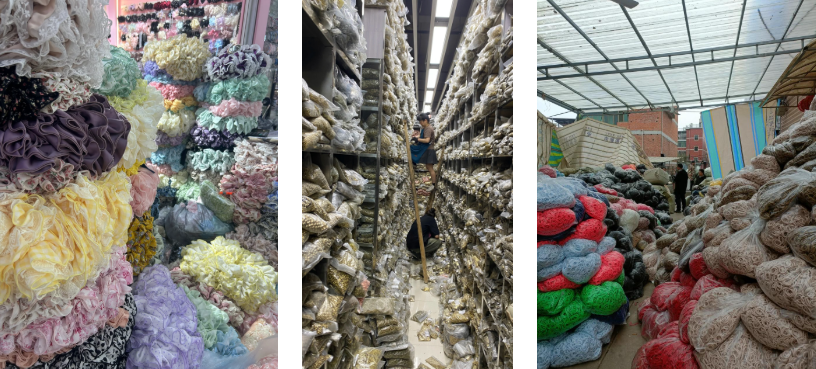
Yiwu is the world’s largest wholesale hub for daily consumer goods, concentrating a wide range of hair accessory supply from across China.
It offers thousands of SKUs across materials, colors, shapes, and packaging formats. Its key advantage lies in extreme SKU diversity and rapid product turnover, allowing new styles to move from sourcing to market in short cycles.
About the Creator
Jingsourcing.com
Finding a reliable supplier and ensuring smooth production is challenging. JingSourcing takes care of the entire process, from sourcing suppliers to shipping.
Enjoyed the story? Support the Creator.
Subscribe for free to receive all their stories in your feed.
Comments
There are no comments for this story
Be the first to respond and start the conversation.