
9 Signs You're Experiencing an Ego Death
Understanding a temporary shift in identity and awareness.


Your name, plans, memories, and worries can suddenly feel distant, as if the usual narrator in your head has stepped out of the room. People often call this ego death, although it isn't literal death or a formal medical diagnosis.
The term usually describes ego dissolution, a temporary shift in self-awareness that can arise during psychedelic use, meditation, trauma, grief, major life change, or a mental health episode. Some people consider it meaningful. Others feel frightened, confused, or unmoored.
What Ego Death Means and Why It Can Happen
In everyday life, your sense of self helps you make decisions, remember your history, protect your boundaries, and relate to other people. During ego dissolution, that familiar inner structure can weaken for a period of time.
Research often describes the experience as reduced self-referential awareness, with less distinction between "me" and the world around you. An NIH review of ego dissolution notes that people may feel their usual sense of being a separate self diminish or disappear.
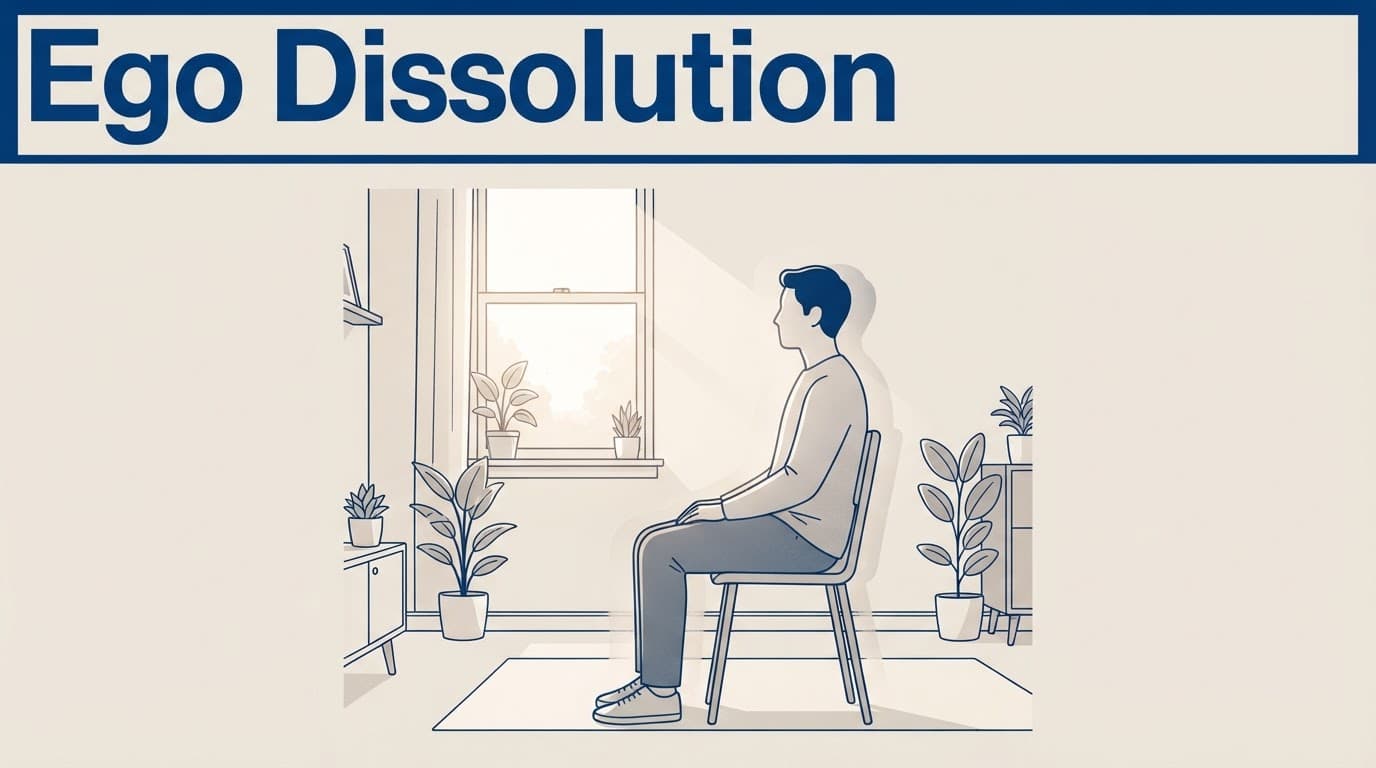
Ego Death, Ego Dissolution, and Spiritual Awakening Are Not the Same Thing
Online conversations often blend these terms together. However, ego dissolution describes a change in how selfhood feels. "Ego death" is a popular label for that experience.
A spiritual awakening is a broader personal or religious interpretation. It may include a change in values, beliefs, or purpose that lasts well beyond a single altered state. Neither phrase is a medical explanation or proof of a supernatural event.
Why It Can Feel Beautiful or Frightening
Some people report peace, unity, wonder, and relief from harsh self-judgment. Others feel panic because the loss of familiar identity can resemble falling through a trapdoor.
The emotional tone matters. A brief, calm sense of connection differs from prolonged terror, confusion, or an inability to recognize what is real. Both reactions deserve compassion, but distress calls for practical support.
9 Signs You're Experiencing an Ego Death
These signs describe possible experiences, not a diagnosis. Several can appear at once during a short-lived altered state, especially after intense meditation or psychedelic use.
1. Your Sense of "I" Feels Faint or Missing
Your usual inner narrator may go quiet. Instead of feeling anchored in your personality, job, relationships, or life story, you may struggle to describe who you are beyond basic facts.
This doesn't mean your identity has vanished permanently. It means the mental frame that normally organizes experience feels temporarily less solid.
2. Your Personal Story No Longer Feels Central
Old memories, goals, regrets, and labels may lose their usual charge. You still know they happened, yet they can feel like pages from a book sitting across the room.
That distance can feel freeing. Still, don't mistake a temporary loss of emotional attachment for proof that your history, commitments, or relationships no longer matter.
3. The Boundary Between You and the World Feels Blurred
The line between your body, the room, nature, or other people may seem less clear. You might feel absorbed by music, sunlight, or the rhythm of a conversation.
This is a reported feature of ego dissolution, not evidence that you have literally merged with the universe. A validated ego-dissolution scale describes this state through reduced self-awareness and softened self-world boundaries.
More Signs an Ego Death May Be Occurring
A changing sense of self can affect emotion, perception, and your relationship to control. The next signs often overlap.
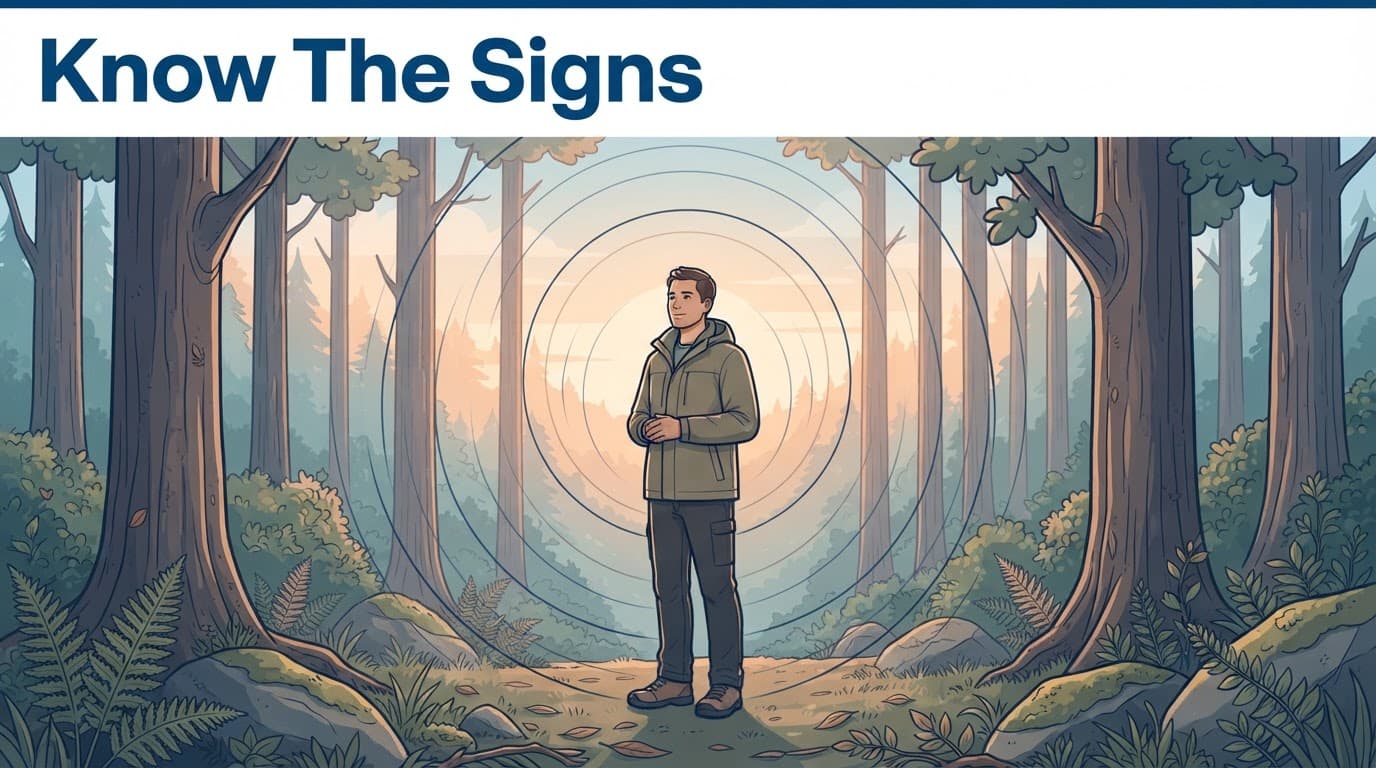
4. You Feel Strongly Connected to People or Nature
A wave of compassion may arrive without an obvious reason. Some people feel close to strangers, animals, trees, or the larger web of life.
For one person, the experience feels warm and peaceful. For another, the intensity is overwhelming, especially in an unfamiliar setting or around people they don't trust.
5. Time, Space, or Embodiment Feels Different
Minutes can feel endless, or several hours may seem to vanish. You may also feel less attached to your body, uncertain of where "you" are located, or oddly detached from physical sensation.
Ordinary distraction doesn't usually have this force. An ego death experience can make time and embodiment feel altered in ways that are difficult to describe afterward.
6. You Observe Thoughts Instead of Being Defined by Them
Thoughts and emotions may appear like weather moving across a wide sky. You notice fear, joy, shame, or anger, yet none of them seems to contain your whole identity.
Meditation can produce a milder version of this observer-like state. However, if you feel unreal, trapped, or unable to function, treat that discomfort seriously instead of forcing yourself to interpret it as growth.
When an Identity Shift Feels Frightening
Ego dissolution isn't always serene. The same loosening of identity that feels freeing for one person can feel unsafe for another.
7. Your Need for Control or Approval Falls Away
Status, appearance, social roles, and the urge to manage every outcome may lose importance. You may feel less concerned with impressing people or defending your choices.
That temporary release can offer perspective. It doesn't erase practical responsibilities, though, so avoid driving, spending large amounts of money, quitting a job, or making major commitments while disoriented.
8. You Experience Powerful Meaning, Peace, or Insight
An experience can bring awe, emotional release, acceptance, or a powerful feeling that life makes sense. These moments may stay with you long after the altered state ends.
A feeling of absolute certainty can be part of an altered state. Give important conclusions time before building decisions around them.
Write down what you remember, then revisit it after sleep, food, and ordinary routines have returned. Insights that still feel useful and grounded often hold up better over time.
9. You Feel Fear, Confusion, or Loss of Control
Panic can arise when your usual identity starts to shift. You may fear that you will never return to yourself, feel flooded by racing thoughts, or lose your sense of direction.
Don't romanticize severe distress as a spiritual breakthrough. Research from Binghamton University on difficult ego-loss experiences highlights the need to distinguish connected, meaningful states from frightening detachment and psychosis-like symptoms.
How to Tell Ego Death Apart From Depersonalization, Derealization, or Psychosis
The labels can overlap, and only a qualified clinician can assess persistent or confusing symptoms. Still, a few distinctions can help you describe what happened.
Depersonalization and Derealization Often Feel Unwanted
Depersonalization can make you feel detached from yourself, unfamiliar, or unreal. Derealization can make the world, other people, or time seem artificial or dreamlike.
Ego dissolution may include similar sensations, but it often centers on the broad fading of self-world boundaries. In contrast, depersonalization and derealization are frequently distressing and can persist outside an altered state. A clinical review of the psychology of psychedelic ego dissolution explores how changes in self-boundaries differ from ordinary perception.
Signs the Experience May Need Professional Support
Get help from a licensed mental health professional if symptoms continue after intoxication or the triggering event has ended. Also reach out if fear grows, sleep is severely disrupted, work or relationships suffer, or you cannot regain a stable sense of reality.
Call 911 or go to an emergency department if you have suicidal thoughts, feel unable to stay safe, become severely confused, or may hurt yourself or someone else. Hallucinations, fixed beliefs that others can't reality-check, and dangerous behavior need prompt assessment.
What to Do During and After an Ego Death Experience
First, reduce stimulation. Move to a quiet, familiar place, stay with a trusted sober person, and avoid driving or making financial, legal, or relationship decisions.
Drink water, eat something gentle if appropriate, and give your body basic care. Sleep may take time to return, so lower lights, silence notifications, and keep the next day as simple as possible.
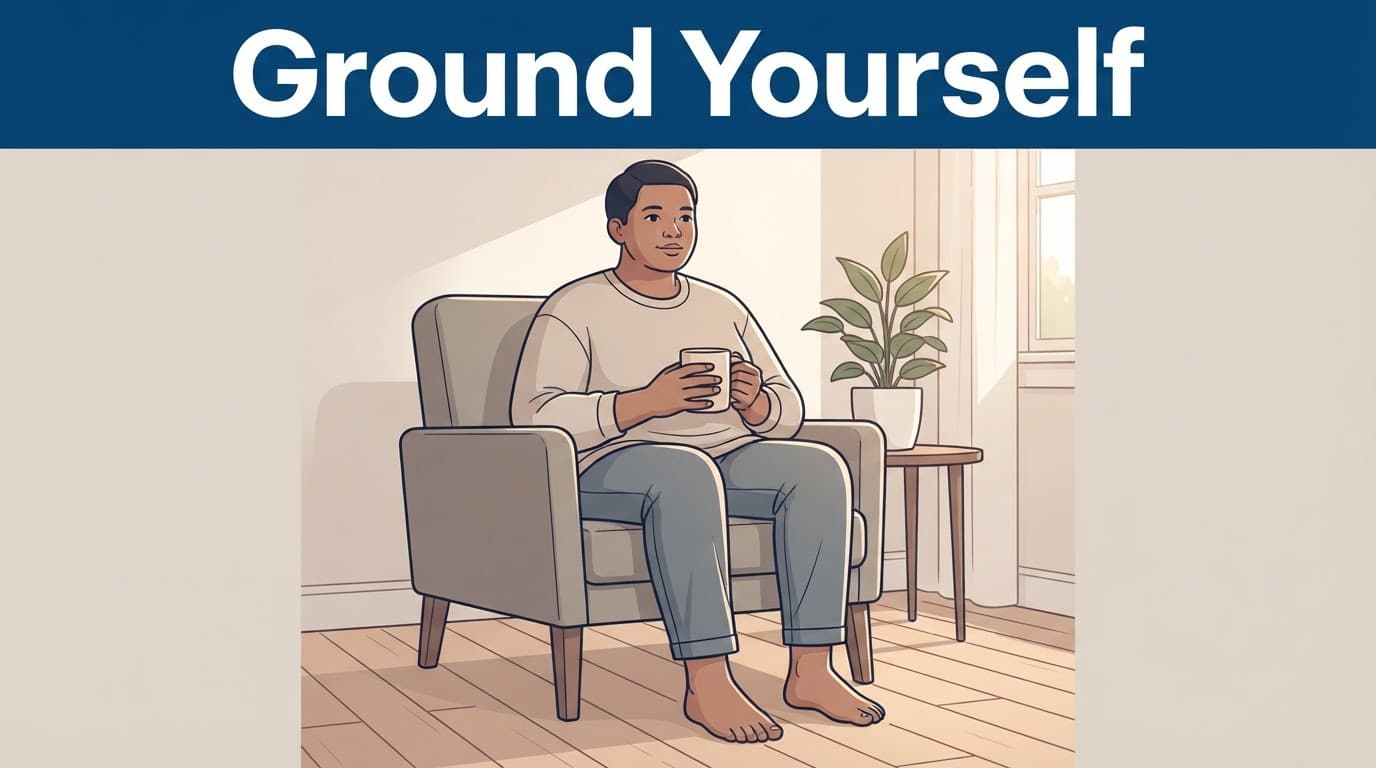
Simple Grounding Techniques That Can Help
Grounding doesn't erase every sensation. It helps your attention reconnect with the present moment and your physical surroundings.
Name five things you can see, then describe their colors, shapes, or textures aloud.
Press both feet into the floor and notice the pressure in your heels and toes.
Hold a familiar object, repeat your name and location, and take slow, steady breaths.
Ask a trusted person to speak calmly and remind you that the experience is temporary.
If these steps don't help you feel safe, seek medical or crisis support.
Reflect on the Experience Without Taking Every Insight Literally
Wait until you feel rested, stable, and back in your daily rhythm before assigning grand meaning to what happened. Journaling can preserve details without forcing an instant conclusion.
Separate personal lessons from absolute beliefs. A thought such as "I want to spend more time with people I love" may guide healthy change. A sudden belief that rules, safety, or other people's boundaries no longer apply needs a pause and a reality check.
A therapist familiar with dissociation or altered states can help when ego death experiences recur, feel frightening, or leave you detached. You don't have to make sense of a disorienting event alone.
A Grounded Way to Hold the Experience
Ego death usually refers to a temporary loosening of identity, with blurred self-world boundaries and intense feelings of connection, insight, or fear. It can feel meaningful, but it isn't automatically healing, spiritual, or harmless.
Persistent detachment, psychosis-like symptoms, or danger require prompt professional help. Grounding in ordinary reality is the safest place to begin when your sense of self feels far away.
About the Creator
Wilson Igbasi
Hi, I'm Wilson Igbasi — a passionate writer, researcher, and tech enthusiast. I love exploring topics at the intersection of technology, personal growth, and spirituality.
Enjoyed the story? Support the Creator.
Subscribe for free to receive all their stories in your feed.
Comments
There are no comments for this story
Be the first to respond and start the conversation.