
9 Biohacking Secrets Rewiring Human Potential Today
Inside the booming world where biology meets self-optimization
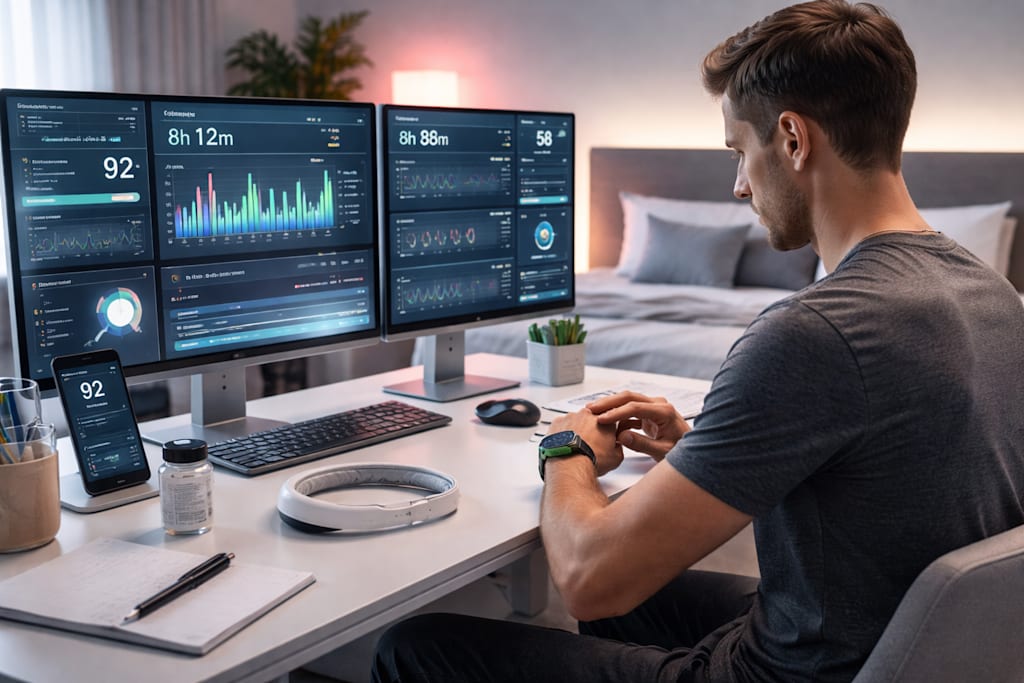
At 5:30 a.m., before the sun even hints at rising, a soft vibration pulses through a wrist. Not an alarm—something smarter. It knows the body is ready.
A glass of water infused with electrolytes waits nearby. A red light glows faintly in the corner, simulating dawn. Within minutes, brainwave apps, sleep scores, and metabolic trackers begin feeding data into a carefully curated routine.
This isn’t science fiction. It’s biohacking.
And what once seemed like a fringe movement is now a rapidly expanding global phenomenon—one that’s quietly redefining how we think about health, performance, and even human limits.
The Rise of Self-Optimization Culture
Biohacking, at its core, is simple: using science, technology, and personal experimentation to improve the body and mind. But the execution? That’s where it gets fascinating.
From intermittent fasting and nootropics to wearable devices and genetic insights, biohacking has evolved into a multi-dimensional ecosystem.
According to Mordor Intelligence, the Biohacking Market is projected to grow at a CAGR of approximately 17.64% during the forecast period, reflecting explosive interest across health-conscious consumers, tech enthusiasts, and even mainstream medical communities.
This surge isn’t random. It’s driven by a powerful shift in mindset—from reactive healthcare to proactive self-optimization.
Search queries like:
- “What is biohacking and how does it work?”
- “How can I optimize my body naturally?”
are becoming increasingly common, signaling a growing curiosity about taking control of personal health.
At the heart of this movement is a desire for agency. People no longer want to wait for illness to act—they want to prevent it, optimize performance, and extend longevity.
From Wearables to Mind Control: Tools of the Trade
Biohacking isn’t one-size-fits-all. It spans a spectrum—from simple lifestyle tweaks to advanced technological interventions.
Some of the most popular tools include:
Wearable fitness trackers monitoring heart rate, sleep, and activity
Continuous glucose monitors for metabolic insights
Nootropic supplements aimed at cognitive enhancement
Light therapy devices for circadian rhythm optimization
Meditation and neurofeedback apps
Each tool answers a growing wave of questions:
- “What are the best biohacking devices?”
- “How can I improve focus and energy naturally?”
What’s interesting is how accessible biohacking has become. You don’t need a lab or a medical degree—just curiosity and consistency.
Yet, the deeper layers of biohacking push boundaries further.
Think implanted chips, DNA editing experiments, or brain-computer interfaces. While still niche, these areas hint at a future where biology and technology merge seamlessly.
The Science—and Psychology—Behind the Movement
Why are so many people drawn to biohacking?
Part of the answer lies in data. Humans are wired to measure progress. When you can see your sleep quality improve or your resting heart rate drop, it creates a feedback loop that reinforces behavior.
But there’s also a psychological layer.
Biohacking offers control in an unpredictable world. It provides structure, purpose, and a sense of mastery over one’s own body.
Search trends reflect this emotional dimension:
- “Does biohacking really work?”
- “Is biohacking safe for long-term health?”
The truth lies somewhere in between. While many biohacking practices are grounded in science, others require careful evaluation. The key is balance—combining experimentation with evidence-based approaches.
The Expanding Ecosystem of Biohacking
The Biohacking Market
is not just growing—it’s diversifying.
It now spans multiple domains:
- Nutrition and diet optimization
- Fitness and recovery technologies
- Cognitive enhancement tools
- Genetic and cellular-level innovations
This expansion reflects a broader cultural shift. Health is no longer defined by the absence of disease—it’s about peak performance, mental clarity, and longevity.
Another frequently searched question captures this evolution:
“What are the different types of biohacking?”
The answers vary, but commonly include:
- Nutrigenomics (food-based optimization)
- DIY biology (self-experimentation)
- Grinder biohacking (implant-based enhancements)
- Digital biohacking (data-driven health tracking)
Each category represents a different approach to the same goal: becoming a better version of oneself.
The Fine Line Between Optimization and Obsession
As biohacking grows, so do concerns.
When does self-improvement become over-optimization?
Is constant tracking empowering—or exhausting?
For some, biohacking can lead to anxiety, especially when metrics don’t align with expectations. The pursuit of perfection can sometimes overshadow the joy of simply living.
Search queries highlight this tension:
- “Can biohacking be harmful?”
- “How much biohacking is too much?”
These are important questions. Like any powerful tool, biohacking requires mindful use.
The goal isn’t perfection—it’s progress.
A Global Movement Shaping the Future
From Silicon Valley entrepreneurs to everyday individuals, biohacking is no longer confined to a niche audience. It’s becoming a global movement.
The projected CAGR of 17.64% underscores this momentum, driven by technological innovation, increasing health awareness, and the desire for personalized solutions.
But beyond the numbers, biohacking represents something deeper—a reimagining of what it means to be human.
It challenges traditional boundaries between biology and technology, offering a glimpse into a future where individuals actively shape their own evolution.
The Human Story Behind the Data
Behind every wearable device and data point is a person.
- Someone trying to sleep better.
- Someone managing stress.
- Someone striving for more energy, clarity, or longevity.
Biohacking isn’t just about technology—it’s about people seeking better lives.
And while the tools may evolve, the core motivation remains the same: to feel better, live longer, and unlock untapped potential.
Where Do We Go From Here?
As the biohacking movement continues to grow, one thing is clear—it’s not slowing down.
Innovation will accelerate. Tools will become smarter. And the line between human capability and technological enhancement will continue to blur.
But the most important question isn’t about technology.
It’s about intention.
Are we using biohacking to enhance our lives—or to escape them?
As you consider your own health and habits, think about this:
If you had the tools to optimize your body and mind—how far would you go?
About the Creator
Enjoyed the story? Support the Creator.
Subscribe for free to receive all their stories in your feed.
Comments
There are no comments for this story
Be the first to respond and start the conversation.