
7 Packing Tips You’ll Wish You Knew Sooner
7 Smart Packing Tips You’ll Love

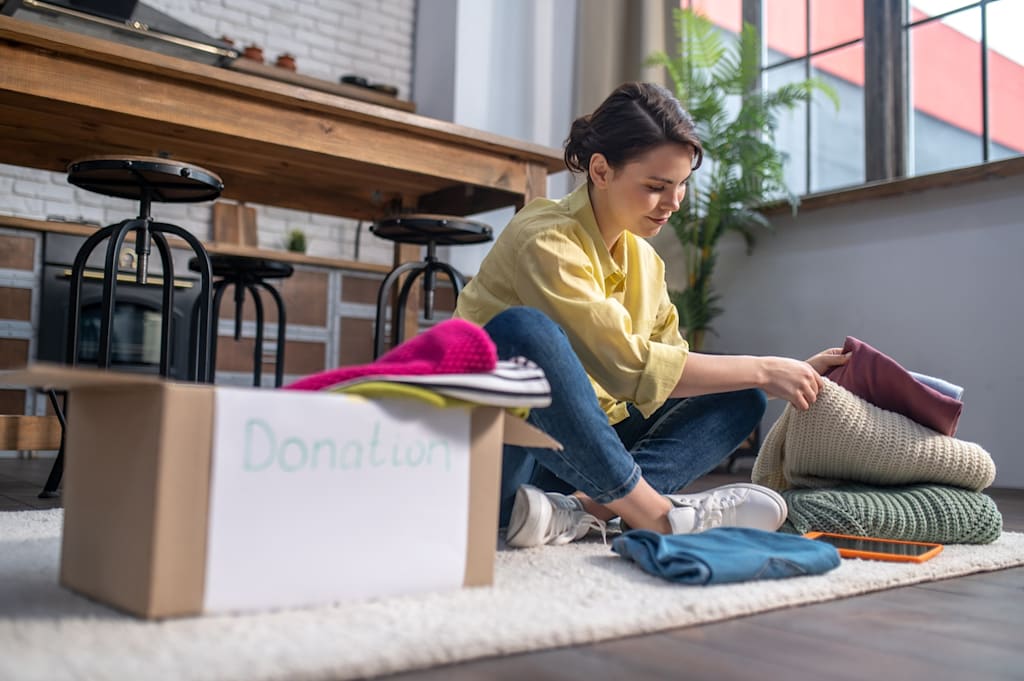
Everyone thinks they'll be the exception, the person who somehow packs up an entire three-bedroom house in a weekend without losing a single wine glass.
And then moving day arrives, and you find yourself wrapping a mug in a carrier bag, wondering where all the tape went and why you own so many extension cords.
But packing doesn’t have to be a chaotic sprint to the finish line. With the right technique, you can keep things under control instead of drowning in a sea of bubble wrap.
Here are seven smart hacks that will save your back and your belongings.
1. Pack Room by Room
The biggest mistake most people make is letting packing turn into a free-for-all, where nothing is grouped or organised.
If you start tossing everything randomly into your containers, you can end up with one box that has a candle, spatula, and rubber duck. And then you arrive at your new place and spend three days opening boxes like it’s a low-budget game show with no prizes.
So, what actually works? Commit to finishing one room completely before moving on to the next.
Start with the spaces you use least, like the spare room, the loft, or that cupboard under the stairs that’s been running its own storage system since 2019. That way, you can make progress without disrupting your day-to-day life.
2. Use Labels and Colour Coding
Once you’ve packed a room, label every single box with both its contents and where it’s going.
But instead of using generic ones like ‘kitchen,’ try to be more specific. For example, you can write ‘kitchen: mugs, tea towels, and cafetière,’ so you don’t have to dig through boxes on day one like you’re on a treasure hunt.
If you want to make life even easier, why not add colour coding into the mix? You can use different coloured tape or sticky labels for each room: blue for the bedroom, red for the kitchen, and green for the living room.
It only takes 10 extra minutes to do this, but it’ll save you time unpacking later and help your removal team stay on track.
3. Move Drawers As-Is
Here’s a tip that sounds too good to be true: don’t empty your drawers. If you have lightweight items inside, like clothes and towels, just leave them all where they are. After all, there’s no prize for creating extra work for yourself.
But how do you actually move them? Wrap the whole drawer in cling film or stretch wrap to keep everything in place during the move.
When you arrive, you’ll just need to unwrap it and slide it back in properly, no repacking, no rummaging, and no trying to remember which box your socks disappeared into.
This works especially well for bedside tables, dressers, and even some kitchen units. Trust us, once you try this method, you’ll wonder why you ever did it the hard way.
4. Turn Your Wardrobe into a Grab-and-Go System
Unpacking clothes is easily one of the most tedious parts of moving. You fold everything neatly, pack it into bags, and then hang it all back up again like you’ve signed yourself up for a boring, unpaid shift in retail.
So, what if we told you there’s a better way? Leave your clothes on their hangers, grab a group of 10–15 items, tie the hangers together at the top, and pull a bin bag up from the bottom to cover them.
Then, you can move them as one unit and slot them straight into your new wardrobe. It’s quick, efficient, and cuts out an entire step from unpacking, which is exactly the kind of shortcut you want when you’re exhausted.
5. Take Photos Before Packing Electronics
Before you start dismantling your TV, gaming console, router, or anything else with more cables than you can count, take a quick photo. One clear shot of the back, showing exactly what plugs into what, will save you a surprising amount of time and frustration later.
And don’t stop at one photo. Take a close-up of the ports, and another slightly wider shot so you can see how everything connects overall.
If there are multiple similar cables, snap a picture of the labels, too, to keep it from turning into a plug-it-in-and-hope situation.
It also helps to group cables as you unplug them. Use a bit of tape or a label to match each cable to its device, or bundle them together so your TV cables don’t end up mixed in with your router or speaker wires.
6. Keep Important Documents and Valuables Separate
Whether it’s passports, birth certificates, financial documents, jewellery, or hard drives, none of these should go anywhere near the removal van. Once they’re out of your hands, you’ve got no control over where they end up or how they’re handled.
So, keep them in a dedicated bag that stays with you the entire time. And if you can, keep digital backups, especially for key documents, so you’ve got a safety net if anything does go wrong.
It’s easy to wave this off as something that won’t apply to you. But lost documents are far more stressful to replace than a broken plate, and the chaos of moving day is exactly the kind of situation where things go missing without anyone noticing.
7. Don’t Overpack Your Boxes
If you’re cramming as much as possible into each box to save time, you’re just making things harder for yourself. Overpacked boxes strain your back and tend to give up at the worst possible moment, usually when you’re halfway up the stairs.
Instead, put heavier items like books and kitchen equipment into smaller boxes, and use the bigger ones for lighter things like bedding, cushions, and lampshades. And if you can’t lift a box comfortably with both hands, that’s your sign to stop and repack it.
While you’re at it, use strong packing tape, not the roll that’s been sitting in your kitchen drawer since the last move. Flimsy tape and heavy boxes are a recipe for a stressful afternoon.
That said, if you’re dealing with more heavy items than you can safely manage, don’t risk it and get a removal service experienced in planning and executing house moves. That way, you can focus on everything else without risking your back or your belongings.
Conclusion
Who said packing has to turn into a stressful, last-minute scramble? Start today, stick to one room at a time, label all your containers, and don’t turn every box into a weightlifting challenge.
Don’t forget to pace yourself, too. When you’re knee-deep in bubble wrap, just picture the finish line, a place that’s finally yours, waiting on the other side of the mess.
About the Creator
Sarah
With an experience of 10 years into blogging I have realised that writing is not just stitching words. It's about connecting the dots of millions & millions of unspoken words in the most creative manner possible.
Enjoyed the story? Support the Creator.
Subscribe for free to receive all their stories in your feed.
Comments
There are no comments for this story
Be the first to respond and start the conversation.