
7 Life-Changing Implants Powering a Medical Revolution
How active implantable devices are redefining survival and human potential
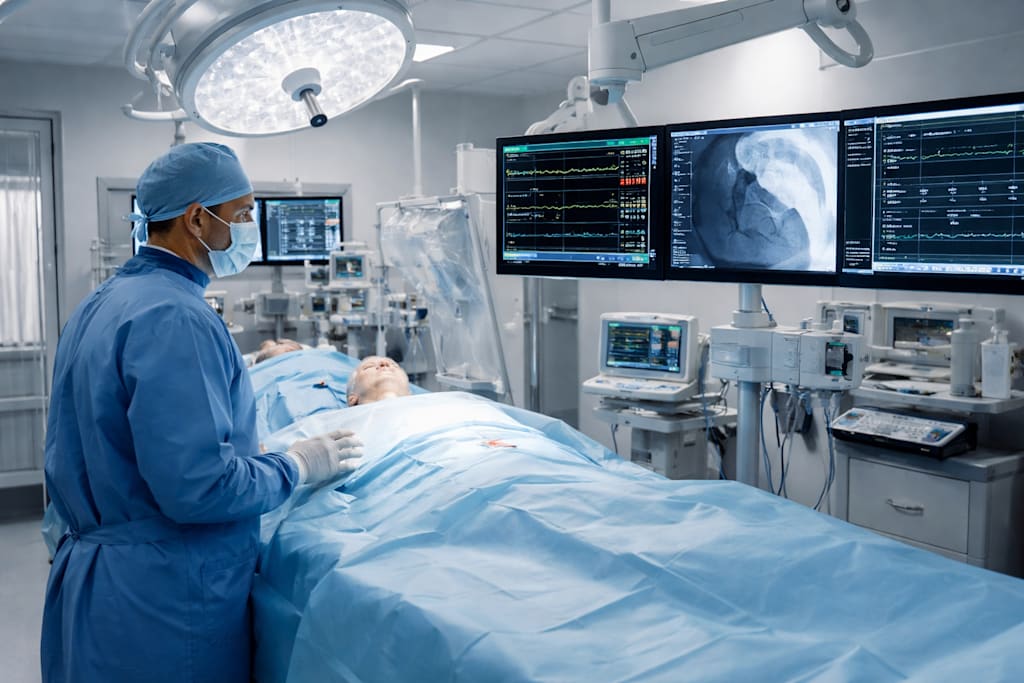
The heartbeat paused—just for a moment. Then, almost instantly, it resumed. Not by chance. Not by medication. But because a tiny device, no larger than a matchbox, embedded deep within the chest, decided it was time.
No alarms. No chaos. Just silent intervention.
This is the world of active implantable medical devices—a space where technology doesn’t just assist life; it sustains it from within. And as global healthcare evolves, so does the demand for these invisible lifesavers, quietly powering a transformation that most people never see.
The Invisible Guardians Inside the Human Body
Imagine living with a device that listens to your heart, corrects its rhythm, or restores your hearing—all without you actively thinking about it. That’s the reality for millions today.
Active implantable medical devices (AIMDs) include technologies such as:
- Pacemakers
- Implantable cardioverter defibrillators (ICDs)
- Cochlear implants
- Neurostimulators
Each of these devices performs a critical function, continuously monitoring and responding to the body’s needs in real time.
According to Mordor Intelligence, the Active Implantable Medical Devices Market is projected to grow at a CAGR of approximately 7.32% during the forecast period, highlighting a steady rise in global demand driven by chronic diseases and aging populations. This growth trajectory reflects a healthcare shift from reactive treatment to proactive, continuous care.
For those searching:
“What are active implantable medical devices?”
They are electronic devices surgically placed inside the body to support or replace biological functions—often autonomously.
And for another common query:
“How do implantable devices improve quality of life?”
The answer lies in independence. Patients no longer need constant hospital supervision; these devices act as internal guardians.
When Technology Becomes Part of You
There’s something deeply human about trusting a machine with your life—especially one you can’t see or feel.
Take pacemakers, for example. They don’t just regulate heartbeats; they restore confidence. A person who once feared sudden cardiac arrest can walk, travel, and live freely again.
Cochlear implants offer another powerful transformation. For someone who has never heard sound, the first activation can be overwhelming—voices, footsteps, the hum of life itself flooding in all at once.
Search trends often reflect this emotional curiosity:
- “What does it feel like to get a cochlear implant?”
- “Can you live normally with a pacemaker?”
The stories behind these searches are deeply personal. They are about reclaiming moments—hearing a loved one’s voice, feeling safe while sleeping, or simply living without fear.
The Rise of Smart, Connected Implants
Modern implantable devices are no longer standalone systems. They are becoming smarter, more connected, and increasingly integrated with digital healthcare ecosystems.
Today’s innovations include:
- Wireless data transmission to healthcare providers
- Remote monitoring via mobile apps
- AI-assisted diagnostics and predictive alerts
This evolution is driven by a growing demand for real-time health insights. Patients and doctors alike want to know what’s happening inside the body—without invasive procedures.
One frequently searched question captures this shift:
“Can implantable devices be monitored remotely?”
Yes, and it’s changing everything.
Remote monitoring reduces hospital visits, enables early detection of complications, and allows for personalized treatment adjustments. It’s not just convenient—it’s life-saving.
A Growing Need Fueled by Global Health Trends
Behind the steady growth of the market lies a set of undeniable global realities.
Chronic diseases such as cardiovascular disorders, neurological conditions, and hearing impairments are on the rise. At the same time, life expectancy is increasing, leading to a larger aging population that requires long-term care solutions.
These factors are driving demand for implantable devices that can provide continuous, reliable support.
The Active Implantable Medical Devices Market is expanding as healthcare systems adapt to these challenges. The projected CAGR of 7.32% reflects not just technological advancement, but a fundamental shift in how care is delivered.
Another popular query emerges here:
“Why is the demand for implantable medical devices increasing?”
The answer is multifaceted:
- Rising prevalence of chronic diseases
- Aging global population
- Advancements in medical technology
- Growing awareness and accessibility
Together, these factors are reshaping the healthcare landscape.
The Human Stories Behind the Data
Statistics tell one side of the story. People tell the other.
A young athlete with a heart condition, once forced to give up sports, returns to the field with the help of an ICD.
An elderly patient regains mobility and independence through neurostimulation therapy.
A child hears their parents’ voices for the first time.
These are not rare occurrences—they are becoming increasingly common as technology advances.
And yet, there’s also a layer of complexity. Questions around affordability, accessibility, and long-term reliability continue to shape the conversation.
Search queries reflect these concerns:
- “Are implantable medical devices safe?”
- “How long do implants last?”
These are valid questions. While technology has improved significantly, ongoing research and innovation are essential to address these challenges and build trust.
Where Innovation Meets Ethics
As implantable devices become more advanced, ethical considerations come into play.
- Who owns the data generated by these devices?
- How secure is it?
- What happens if a device fails?
These questions are not just technical—they are deeply human.
Healthcare providers, manufacturers, and regulators must work together to ensure that innovation does not outpace safety and ethics.
The Future: Beyond Treatment, Toward Enhancement
Looking ahead, the possibilities are both exciting and thought-provoking.
Future developments may include:
- Brain-computer interfaces enabling direct communication with machines
- Advanced neurostimulators for mental health treatment
- Fully integrated bio-electronic systems
The line between treatment and enhancement may begin to blur, raising new questions about what it means to be human in a technologically augmented world.
The Quiet Revolution Within
Active implantable medical devices are not loud innovations. They don’t dominate headlines or trend on social media.
But they are changing lives—quietly, consistently, and profoundly.
They represent a shift from external care to internal support, from reactive treatment to continuous monitoring, from fear to confidence.
And as the market continues to grow, driven by real human needs and technological breakthroughs, one thing becomes clear:
The future of healthcare isn’t just around us—it’s within us.
As you think about the role of technology in healthcare, consider this:
If a device inside your body could protect, heal, and enhance your life—would you trust it?
About the Creator
Enjoyed the story? Support the Creator.
Subscribe for free to receive all their stories in your feed.
Comments
There are no comments for this story
Be the first to respond and start the conversation.