
6 Proven Ways to Keep Your Construction Cleanup Efficient
Plan Ahead for a Smooth Cleanup Process

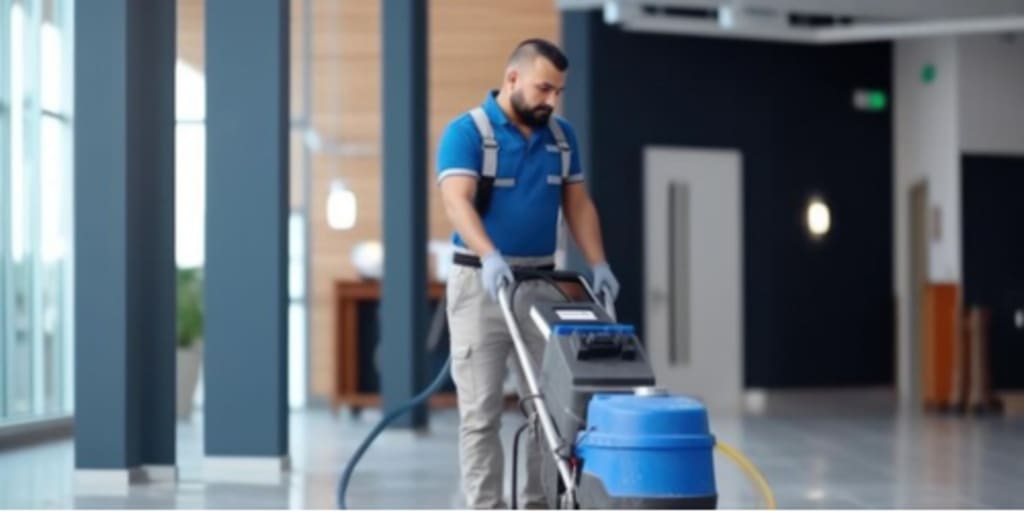
Construction sites are naturally messy environments. Piles of debris, leftover materials, and scattered tools can quickly transform a productive workspace into a chaotic one. Efficient construction cleanup isn’t just about appearances—it’s vital for keeping projects on schedule, ensuring worker safety, and reducing costs.
However, managing a cleanup plan for a construction site isn’t always straightforward. Project managers face tight deadlines, limited manpower, and the constant accumulation of waste. Engaging reliable construction site clean up services can alleviate some of these challenges, but combining professional support with proven strategies maximizes efficiency.
This article explores six actionable ways to streamline construction cleanup, ensuring you stay organized, safe, and environmentally responsible throughout your project.
1. Plan Cleanup Stages Before Starting
Pre-planning cleanup stages at every phase of the project is a fundamental step that many construction managers overlook. A clear, phased plan reduces downtime and ensures every team member knows their responsibilities.
For example, dividing cleanup tasks into daily, weekly, and milestone-based efforts can prevent waste buildup. Assigning specific teams to handle different areas or stages of cleanup ensures accountability.
According to a report by the Construction Industry Institute, projects with detailed pre-cleanup plans experience a 20% faster project wrap-up compared to those that clean up only at the end. When teams know what to clean and when to do it, it streamlines both the cleanup process and the project timeline.
2. Adopt a "Clean as You Go" Policy

Implementing a "clean as you go" policy can drastically improve site organization. This approach involves cleaning up small messes as they happen, rather than waiting until the end of a project phase.
Benefits of this policy include:
Reduced Clutter: Minimizing debris throughout the day ensures a safer work environment.
Improved Productivity: Workers won’t waste time maneuvering around waste or disorganized tools.
Faster Final Cleanup: With less mess to tackle later, overall cleanup time decreases significantly.
A study from OSHA highlights that cluttered construction sites contribute to 15% of all job site injuries. Encouraging workers to regularly tidy their areas not only enhances efficiency but also minimizes potential hazards.
3. Use the Right Tools and Equipment
The use of proper cleanup tools and equipment can make a massive difference in both time and labor costs. Tools like industrial vacuums, sweepers, dumpsters, and compactors are specifically designed to handle construction debris effectively.
For instance, high-powered vacuums can clean fine dust particles, which are difficult to remove manually. Roll-off dumpsters make it easier to manage and dispose of large volumes of waste. Investing in such tools upfront often pays off with faster cleanup and reduced strain on workers.
In a case study shared by Construction Executive, a company reduced its cleanup time by 30% simply by integrating automated sweepers and dumpsters on-site. Having the right tools ensures workers spend less time cleaning and more time contributing to the project.
4. Implement Waste Segregation and Recycling Practices
Efficient waste segregation is another key strategy for improving construction site cleanup. Sorting waste into categories—such as recyclables, reusable materials, and general debris—saves time and supports sustainability efforts.
According to the U.S. Environmental Protection Agency (EPA), construction and demolition activities generate over 600 million tons of waste annually. Implementing recycling and waste management practices can:
Lower disposal costs.
Minimize environmental impact.
Create opportunities for reusing valuable materials like wood, metal, and concrete.
Companies following green cleanup initiatives not only save on costs but also meet regulatory compliance and enhance their public image.
5. Schedule Regular Cleanups During Project Milestones

Instead of leaving cleanup until the end of the project, schedule regular cleanups at critical milestones. This approach prevents waste from accumulating and ensures teams have a clean slate to continue their tasks.
For example, you can plan cleanups after completing major phases like framing, plumbing, or roofing. At each checkpoint, assign teams to clear debris, organize tools, and assess the progress.
Regular cleanups also allow managers to identify issues early, such as unsafe clutter or materials that need immediate disposal. A clean workspace encourages efficiency and keeps projects running on schedule.
6. Hire Professional Cleanup Services for Maximum Efficiency
While adopting in-house strategies can improve cleanup, hiring professional construction site clean up services offers unmatched efficiency. Cleanup companies specialize in handling construction waste, using advanced tools, and adhering to safety standards.
By outsourcing these tasks, project managers can:
Save valuable time and resources.
Ensure compliance with waste disposal regulations.
Minimize risks related to improper handling of hazardous materials.
For example, a mid-sized construction firm reported a 40% reduction in project delays after partnering with a cleanup service for waste management. Professionals understand how to tackle complex cleanup tasks, leaving your team free to focus on core responsibilities.
Key Factors Affecting Office Cleaning Costs

The cost of office cleaning varies based on several factors, including the size of the space, the cleaning frequency, and the type of services needed. Specialized tasks like deep cleaning or sanitation may lead to higher expenses, while regular maintenance keeps costs manageable. Location also plays a role, as urban offices often incur higher fees. To control commercial cleaning costs effectively, businesses should focus on balancing quality service with transparent pricing.
For a detailed breakdown, check out this blog.
Conclusion
Efficient construction cleanup is essential for maintaining safety, organization, and timelines on any project. By implementing these six proven strategies—planning in stages, adopting "clean as you go," using the right tools, segregating waste, scheduling regular cleanups, and hiring professional services—you can significantly streamline the process.
A clean construction site ensures better productivity, fewer delays, and improved safety, ultimately benefiting both project managers and workers. Combining these methods with expert support will keep your cleanup efforts efficient and impactful.
About the Creator
Cypress Towne Dental
Cypress Towne Dental in Cypress, TX, offers comprehensive dental care, including preventive, restorative, and cosmetic services for all ages.
Enjoyed the story? Support the Creator.
Subscribe for free to receive all their stories in your feed.
Comments
There are no comments for this story
Be the first to respond and start the conversation.