
304L Stainless Steel Coil: What It Is, Where It Works Best, and How to Choose the Right One
Stainless Steel Coil

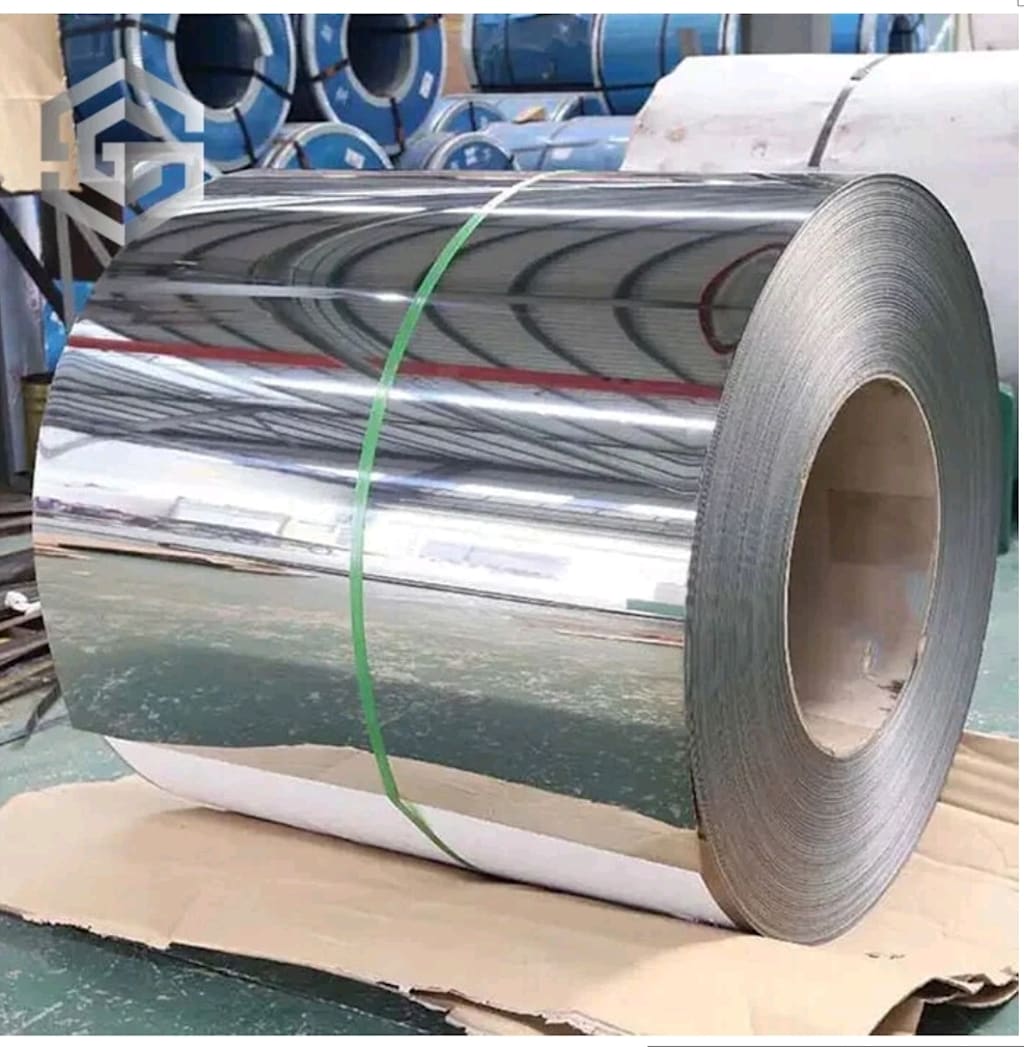
A practical guide for fabricators, manufacturers, and buyers who want to get the material right the first time.
Picking stainless steel coil is rarely just about price. Grade, finish, thickness, and operating environment all decide whether a product lasts a decade or starts showing problems in a year. If your project involves welding, 304L stainless steel coil is often the grade that avoids those problems.
This guide covers what 304L is, how it differs from standard 304, where it performs well, and what to specify before you ask a supplier for a quote.
What Is 304L Stainless Steel Coil?
304L is an austenitic chromium-nickel stainless steel supplied in continuous coil form. The "L" stands for low carbon: the grade allows a maximum of about 0.03% carbon, compared with up to 0.08% in standard 304.
That small difference matters in welding. Higher carbon can cause chromium carbides to form in the heat-affected zone, which can weaken resistance to intergranular corrosion under certain conditions. Low-carbon 304L reduces that risk, so it is a common choice for welded tanks, piping components, process equipment, and fabricated assemblies.
Typical composition includes roughly 18–20% chromium and 8–12% nickel. Before ordering, always confirm the applicable standard and ask for a Mill Test Certificate (MTC).
Key Properties at a Glance
304L balances corrosion resistance, ductility, and fabrication performance:
Corrosion resistance: Chromium forms a protective passive layer on the surface.
Ductility and toughness: Nickel stabilizes the austenitic structure.
Strength (annealed): Typical minimum tensile strength is around 485 MPa and minimum yield strength around 170 MPa.
Elongation: Commonly 40% or more, depending on the specification.
Cold working: Heat treatment won't harden 304L, but forming processes will increase its strength.
It handles cutting, slitting, bending, roll forming, stamping, deep drawing, welding, and polishing well, which is why it shows up in so many industries.
304 vs. 304L: Which Should You Choose?
The two grades look alike and resist corrosion in similar ways. The main difference is carbon content.
304 304L Max carbon ~0.08% ~0.03% Welding performance Good Better (lower carbide precipitation risk) Strength Slightly higher in some conditions Slightly lower in some conditions Best for General fabrication Welded structures, especially without post-weld heat treatment
If your parts will be welded and you can't easily heat-treat afterward, 304L is usually the safer option. The final choice still depends on your process, specifications, and service environment.
Where 304L Stainless Steel Coil Is Used
Food and beverage equipment. Processing machinery, storage tanks, and kitchen equipment benefit from its corrosion resistance and smooth, cleanable surface options.
Chemical and processing equipment. Tanks, piping components, vessels, and housings use 304L for its weldability. Always check suitability against the specific chemicals and temperatures involved.
Pharmaceutical and sanitary equipment. Cleanability and consistent surface quality make it useful here.
Architectural applications. 304L stainless steel coil can be processed into panels; decorative panels, trims, and interior components rely on its range of finishes.
General industrial manufacturing. Brackets, containers, machine parts, equipment housings, and stamped components are all common uses.
A word of caution: 304L isn't ideal for every environment. Seawater, high chloride concentrations, and aggressive chemicals may call for a higher-alloy grade such as 316L.
Surface Finishes: More Than Looks
Finish affects appearance, cleanability, and how the material performs in use. Common options are 2B, BA, No. 1, No. 4, hairline, and polished.
2B: A smooth, practical finish for general fabrication.
BA: A brighter, more reflective surface.
No. 4 and hairline: Popular for appliances, decorative products, and visible equipment.
When you request a quotation, state the finish along with the grade and dimensions.
How to Select the Right 304L Coil
Define these points before contacting a supplier:
Thickness and width: Match them to your process and finished part.
Surface finish: Choose one that meets your appearance and cleanliness needs.
Edge condition: Specify slit or mill edges.
Tolerances: Confirm acceptable variation in thickness and width.
Mechanical properties: Make sure the coil suits bending, stamping, or deep drawing.
Certification: Request an MTC to verify composition and properties.
Packaging and quantity: Confirm coil weight, protection, and shipping requirements.
Deep drawing may need particular mechanical characteristics, and precision stamping may need tighter tolerances. Clear specifications up front reduce procurement risk and help avoid production delays.
Is 304L Corrosion Resistant?
Yes, it offers good general corrosion resistance across many industrial, architectural, and food-processing environments. But no stainless steel is completely immune. Performance depends on temperature, chemical concentration, chloride exposure, surface condition, fabrication quality, and cleaning practices. Matching the material to real operating conditions is the best way to get a long service life.
Sourcing 304L Stainless Steel Coil
A good supplier delivers consistent quality, accurate dimensions, suitable finishes, proper documentation, and protective packaging. Shaanxi Shunchengtian supplies 304L stainless steel coil to distributors, fabricators, equipment manufacturers, construction projects, and industrial buyers. Customers can specify grade, dimensions, surface condition, processing requirements, and quantity to fit their application.
For international buyers, sending detailed technical requirements with your inquiry speeds up quoting and improves material selection. Reviewing certifications and product specifications before purchase also helps confirm the coil meets your fabrication needs.
Frequently Asked Questions
Is 304L better than 304?
Not always. Both suit similar applications, but 304L is generally preferred for welded fabrication where intergranular corrosion resistance matters.
What does the "L" in 304L mean?
Low carbon. The grade typically limits carbon to a maximum of about 0.03%.
Can 304L coil be welded?
Yes. Its low carbon content reduces chromium carbide precipitation, making it suitable for many welded components.
Is 304L suitable for stamping and deep drawing?
Yes. Its ductility supports stamping, bending, and deep drawing, as long as the material condition matches your production process.
What information do I need to order 304L coil?
Grade, standard, thickness, width, finish, edge condition, tolerances, coil weight, quantity, and intended application.
Final Thoughts
304L stainless steel coil combines corrosion resistance, weldability, ductility, and formability, which makes it especially valuable for welded components and a strong all-rounder for food processing, chemical equipment, architecture, and general manufacturing. The right choice comes down to careful attention to dimensions, finish, tolerances, fabrication method, and operating conditions. With clear specifications and a reliable supplier like Shaanxi Shunchengtian, you can source coil that fits your production needs.
About the Creator
Gulshan
SEO Services, Guest Post & Content Writter.
Enjoyed the story? Support the Creator.
Subscribe for free to receive all their stories in your feed.
Comments
There are no comments for this story
Be the first to respond and start the conversation.