
£11 Million Site of London’s Oldest Restaurant Given to the National Trust
Historic Rules restaurant in Covent Garden, established in 1798, will continue welcoming diners as its historic building and priceless memorabilia receive long-term protection.
Introduction
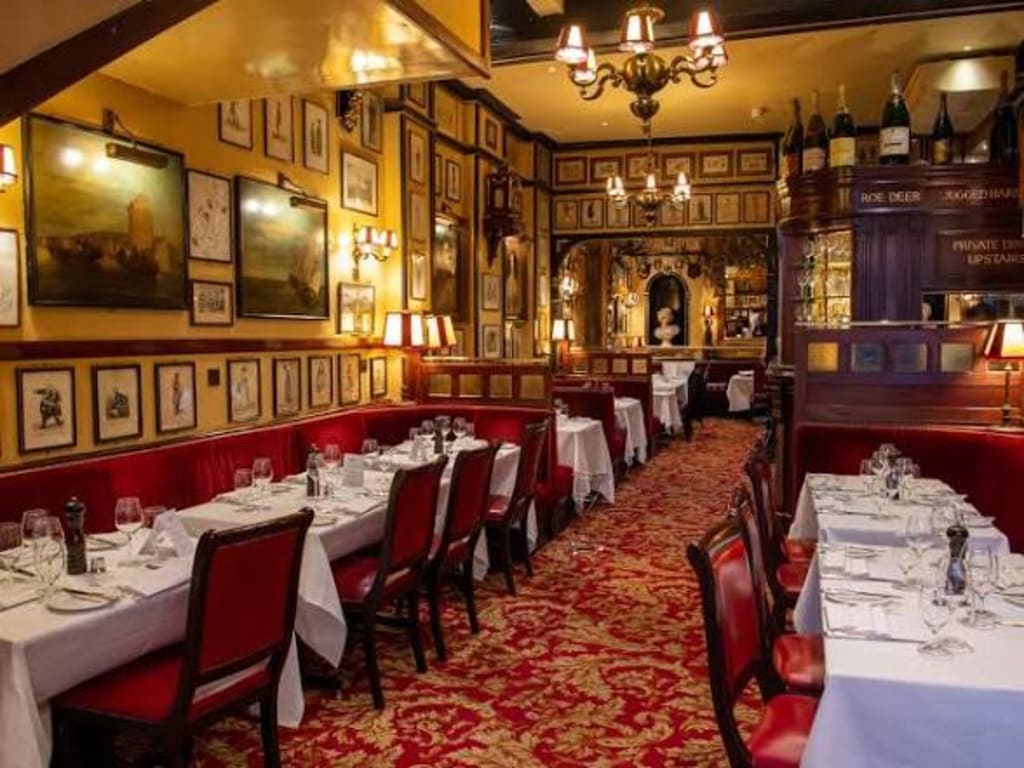
One of London’s most treasured dining landmarks has entered a new chapter in its remarkable history. Rules, widely recognised as London’s oldest restaurant, has had its historic home donated to the National Trust in a gift valued at approximately £11 million. The move is intended to protect the building, preserve its distinctive interiors and safeguard more than two centuries of stories associated with British dining and culture.
Located at 34–35 Maiden Lane in Covent Garden, central London, Rules has welcomed customers since 1798. Its survival through wars, redevelopment proposals and changing food trends makes it an exceptional example of a historic business that has continued serving the public rather than becoming a museum exhibit.
The donation by J-P Mayhew, who owned the building for around four decades, is expected to strengthen the restaurant’s future while ensuring that its architectural and cultural heritage remains protected. The restaurant itself will continue operating under its existing proprietor, Ricky McMenemy. <Entity value="National Trust" category="organization" disambig="UK heritage and nature conservation charity"/> will take responsibility for safeguarding the property and its historic collection.
A Restaurant Founded in 1798
The story of Rules began in 1798, when Thomas Rule established an oyster bar at a time when London was growing into one of the world's most influential commercial and cultural centres.
Over the following centuries, the establishment developed beyond its original offering and became known for traditional British cooking. Its enduring appeal has been built around familiar dishes, historic surroundings and a dining atmosphere that differs considerably from modern restaurants designed around changing fashions.
Rules is particularly associated with classic British cuisine, including meat pies, game dishes, traditional puddings and other longstanding favourites. Its menu and interiors help preserve a style of dining that has become less common as restaurants increasingly adopt international influences and contemporary presentation.
Its longevity is especially remarkable because hospitality businesses face constant challenges, from rising operating costs to shifting customer expectations. Rules has maintained its identity while adapting sufficiently to remain relevant to successive generations.
An £11 Million Gift to Protect British Heritage
The donation transfers the freehold of the historic building to the National Trust. Alongside the property, the gift includes an extensive collection of items associated with the restaurant's past.
These materials include historic menus, visitor books, photographs, caricatures, signs and stained glass. Together, they offer a record of the people, traditions and events that have shaped the establishment over more than 200 years.
Importantly, the gift also includes the annual rent generated by the restaurant's continuing occupation of the building. That income is intended to contribute towards conservation work, helping the charity maintain the property and its historic features over time.
The arrangement represents more than a change in property ownership. It establishes a long-term framework for preserving a working restaurant whose historical value depends partly on its continuing use.
The National Trust has described Rules as a rare example of living heritage. Unlike a historic building that survives only as a visitor attraction, Rules continues to fulfil the same essential purpose for which it became famous: serving food and bringing people together.
Famous Visitors and Literary Connections
Rules has welcomed generations of well-known visitors, including celebrated writers, actors, musicians and members of Britain's royal circles.
Among its historically associated diners are Charles Dickens and Charlie Chaplin, while more recent celebrity names include David Bowie, Madonna and Harrison Ford. Its long history has also connected the restaurant with King Edward VII.
These associations help explain why Rules is significant beyond the restaurant industry. Its dining rooms have witnessed changing social customs and cultural movements, making the establishment an unusual meeting point between everyday life and British cultural history.
Literary connections are particularly important. Author Graham Greene was a regular visitor and incorporated the restaurant into his novel The End of the Affair. One of the restaurant's rooms bears his name.
Another room honours poet John Betjeman, who helped defend Rules when redevelopment plans threatened the area in 1971. His campaign highlighted the importance of preserving not only the building's physical features but also the atmosphere created by generations of visitors.
Such stories give the restaurant an identity that cannot easily be reproduced through renovation or imitation.
Surviving War and Redevelopment Threats
Rules has survived major changes in London's urban landscape, including the disruption of the Second World War and plans that once placed its future at risk.
In 1971, a proposal to transform the nearby Strand into a dual carriageway threatened the historic establishment. Betjeman spoke publicly in its defence, arguing that places acquire a distinctive character through the people who visit them and the experiences that take place within their walls.
The redevelopment proposal was eventually abandoned, allowing Rules to continue operating at its historic address.
This episode demonstrates that heritage conservation involves more than protecting old bricks and decorative features. It also requires recognising the cultural significance of places that remain part of contemporary life.
The latest donation offers another layer of protection against the possibility that future property pressures could put the restaurant's historic home at risk.
What the National Trust Takeover Means for Customers
The transfer is not expected to bring an immediate change to the restaurant's everyday operations. Ricky McMenemy, who has worked at Rules for approximately 35 years, will continue running the business as a commercial tenant of the National Trust.
The distinction between ownership of the building and operation of the restaurant is important. The charity will concentrate on protecting the property and its heritage, while the restaurant will continue welcoming diners and serving its established style of British food.
For customers, this means the restaurant's familiar character is intended to remain intact. For staff and management, the arrangement offers greater confidence that the premises will be cared for over the long term.
The donation is also notable for the National Trust itself. Although the charity already cares for historic pubs and other heritage properties, Rules represents its first building housing a historic restaurant that continues to trade as an active business.
Why Preserving Historic Restaurants Matters
Historic restaurants are valuable because they connect architecture, food, literature, tourism and community life. Their significance is not limited to the age of their buildings; it also comes from the traditions and personal experiences accumulated over generations.
Preserving establishments such as Rules helps future visitors understand how people ate, socialised and celebrated in earlier periods of British history. It also supports London's cultural tourism by maintaining places that offer experiences different from those found in newer commercial developments.
The donation highlights a wider question facing historic cities: how can they modernise while retaining the places that give them their identity?
Long-term conservation arrangements can help answer that question by allowing historic businesses to remain economically active while protecting their distinctive surroundings.
Conclusion
The £11 million donation of Rules' historic home to the National Trust marks a significant moment for London's culinary and architectural heritage. Founded in 1798, the restaurant has endured wars, redevelopment threats and changing tastes while preserving its reputation for traditional British dining.
By transferring the building, historic memorabilia and rental income to the conservation charity, J-P Mayhew has helped establish a stronger foundation for the restaurant's future.
Rules will continue operating under Ricky McMenemy, allowing its traditions to survive through everyday service rather than preservation alone. The arrangement demonstrates that heritage can remain alive when historic buildings continue serving their original purpose.
For London, the gift represents an investment in a living piece of history. For future generations, it offers the opportunity to experience a restaurant whose story has unfolded across more than two centuries—and whose next chapter is only beginning.
About the Creator
Enjoyed the story? Support the Creator.
Subscribe for free to receive all their stories in your feed.
Comments
There are no comments for this story
Be the first to respond and start the conversation.