
10 Warning Signs of Gum Disease You Shouldn't Ignore
Discover key signs of gum disease, from bleeding gums to bad breath. Learn to spot the symptoms early to protect your oral health and prevent serious complications.

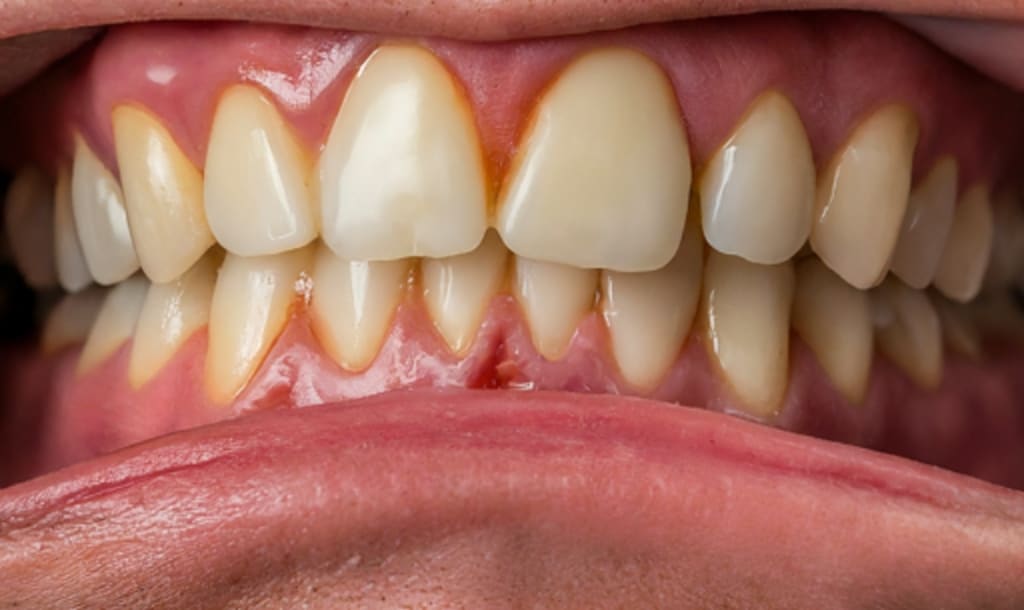
Gum disease, also known as periodontal disease, is a silent but serious condition that can significantly impact your overall health if left untreated. It begins as gingivitis, characterized by mild inflammation of the gums, and can progress to more severe forms of periodontitis if neglected. This disease not only threatens your teeth but can also lead to systemic health issues, including heart disease and diabetes. Understanding the early signs of gum disease is crucial in preventing irreversible damage.
Gum Disease and Overall Health
Gum disease is not just a dental problem; it can also have serious consequences for your overall health. Studies have shown that gum disease is linked to a number of systemic conditions, including:
Heart disease: Bacteria from gum disease can enter the bloodstream and travel to the heart, increasing the risk of heart attack and stroke.
Diabetes: People with diabetes are more likely to develop gum disease, and gum disease can make it harder to control blood sugar levels.
Respiratory infections: Gum disease can weaken the immune system, making you more susceptible to respiratory infections such as pneumonia.
Premature birth: Gum disease has been linked to preterm birth and low birth weight in pregnant women.
10 Warning Signs of Gum Disease You Shouldn't Ignore
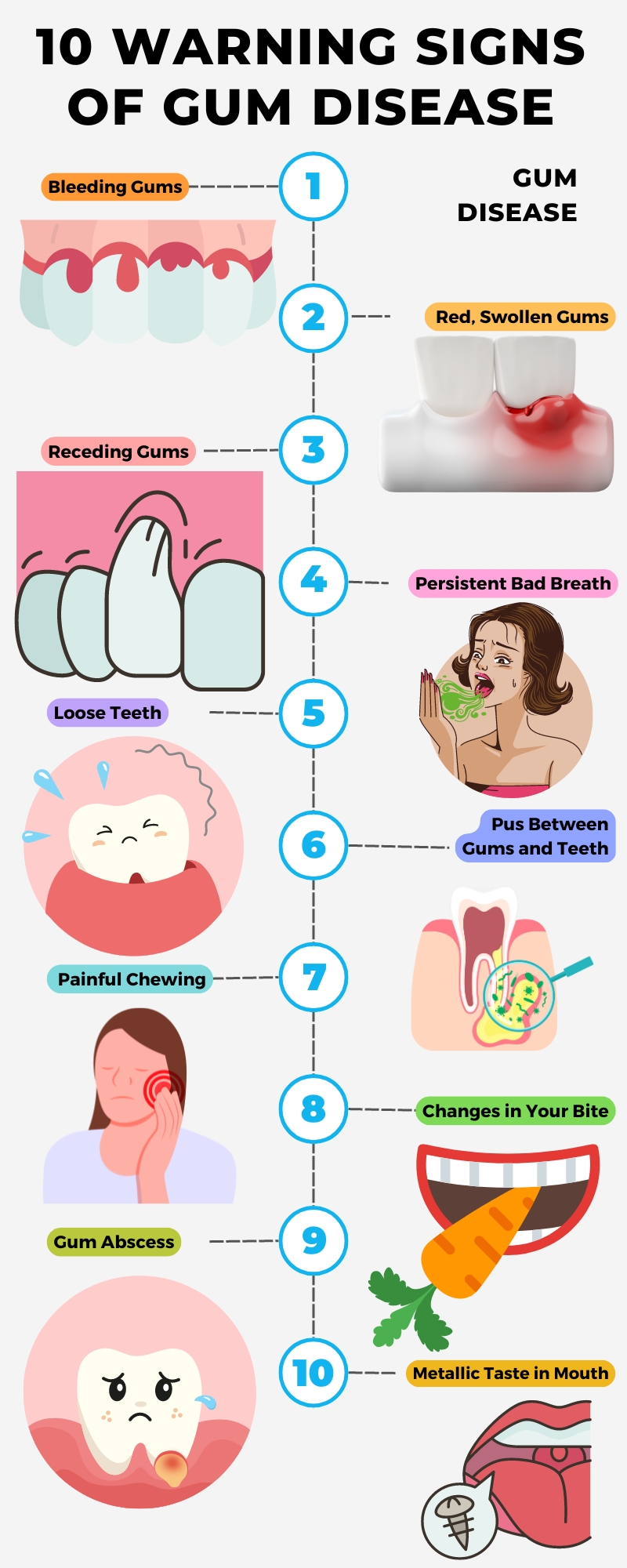
Gum disease can be sneaky, often progressing without obvious pain, which makes it easy to overlook. Here are ten critical warning signs that indicate the presence of gum disease:
1. Bleeding Gums
- Symptom: Gums that bleed easily during brushing or flossing.
- Cause: This is often the first sign of gingivitis, indicating inflammation and infection in the gums.
- Concern: Ignoring bleeding gums can lead to advanced gum disease, eventually causing tooth loss.
2. Red, Swollen Gums
- Symptom: Gums appear redder and more swollen than usual.
- Cause: Inflammation caused by bacterial buildup at the gum line.
- Concern: Persistent redness and swelling are indicators that your gums are battling an infection.
3. Receding Gums
- Symptom: Gums pulling away from the teeth, exposing more of the tooth or its root.
- Cause: This can result from aggressive brushing or periodontal disease.
- Concern: Exposed roots can increase sensitivity and make your teeth more vulnerable to decay.
4. Persistent Bad Breath
- Symptom: Chronic bad breath that doesn't improve with brushing.
- Cause: Bacteria in the mouth release toxins that cause a foul odor.
- Concern: Bad breath is often a sign that bacteria are thriving in pockets around your gums.
5. Loose Teeth
- Symptom: Teeth that feel loose or shifting out of position.
- Cause: Gum disease weakens the tissues and bone that support the teeth.
- Concern: If untreated, this can lead to tooth loss.
6. Pus Between Gums and Teeth
- Symptom: Pus or an abscess around the gum line.
- Cause: Infection due to severe gum disease.
- Concern: This indicates an advanced stage of periodontal disease and requires immediate attention.
7. Painful Chewing
- Symptom: Discomfort or pain while chewing.
- Cause: This could result from gum disease affecting the surrounding bone and tissues.
- Concern: Pain while chewing is a late-stage symptom of gum disease.
8. Changes in Your Bite
- Symptom: Feeling that your teeth don't fit together as they used to.
- Cause: Shifting of teeth due to the weakening of the supporting structures.
- Concern: This could be a sign of advanced gum disease or bone loss.
9. Gum Abscess
- Symptom: A painful, swollen area on the gum that may contain pus.
- Cause: Severe gum infection leading to the formation of an abscess.
- Concern: Requires urgent dental care to prevent the spread of infection.
10. Metallic Taste in Mouth
- Symptom: A constant metallic taste.
- Cause: Bacteria associated with gum disease can cause this unpleasant taste.
- Concern: A metallic taste could be a sign of infection and gum inflammation.
Is Gum Disease Curable?
The early stages of gum disease, such as gingivitis, are indeed curable. With proper oral hygiene and professional dental care, gingivitis can be reversed before it progresses to periodontitis. However, once gum disease advances, it becomes a chronic condition that can be managed but not completely cured. Regular dental check-ups and consistent oral care are essential to keep the disease under control.
How Do You Get Rid of Gum Disease ASAP?
Getting rid of gum disease as soon as possible requires a combination of professional treatment and diligent at-home care. Here's a step-by-step guide to help you address gum disease quickly and effectively:
1. Seek Professional Dental Treatment Immediately
The first step in combating gum disease is to visit a friendly dentist for a thorough examination. Your dentist will assess the extent of the gum disease and recommend the most appropriate treatment plan. This deep-cleaning procedure removes plaque and tartar from below the gum line, which is essential for treating gum disease. Scaling removes tartar, and root planing smoothes the root surfaces to prevent future plaque buildup. In some cases, your dentist may prescribe antibiotics to help control bacterial infection. These can be applied topically in the form of gels or taken orally.
2. Adopt an Enhanced Oral Hygiene Routine
Use a soft-bristled toothbrush and fluoride toothpaste to brush your teeth at least twice a day. Focus on gently cleaning along the gum line to remove plaque. Flossing is crucial for removing food particles and plaque between your teeth where your toothbrush can’t reach. Floss at least once a day, ideally before bedtime. Rinse with an antimicrobial mouthwash to reduce bacteria in your mouth and help prevent plaque formation.
3. Make Lifestyle Changes to Support Gum Health
Smoking is a significant risk factor for gum disease and can hinder the healing process. Quitting smoking is essential to improving your gum health. A diet rich in vitamins and minerals, especially vitamin C and calcium, can support gum health and help your body fight off infections.Conditions like diabetes can exacerbate gum disease. Proper management of such conditions is crucial in treating gum disease.
4. Use Home Remedies to Support Professional Treatment
Rinse your mouth with warm salt water (1/2 teaspoon of salt in a glass of warm water) several times a day to reduce inflammation and promote healing. Dilute hydrogen peroxide with equal parts water and use it as a mouth rinse to kill bacteria and reduce plaque buildup. Turmeric has natural anti-inflammatory properties. Apply a turmeric-based gel to your gums to reduce inflammation and bacterial growth.
Treatment of Gum Disease
The treatment for gum disease depends on the severity of the condition. Some common treatment options include:
Nonsurgical Treatments
Scaling and root planing: This involves removing tartar and bacteria from above and below the gumline, and smoothing the root surfaces to prevent further buildup.
Antibiotics: Oral or topical antibiotics can help control the bacterial infection.
Antimicrobial mouthwash: A mouthwash containing chlorhexidine can help reduce plaque and gingivitis.
Surgical Treatments
Gingival flap surgery: This involves lifting the gums to expose the tooth roots, cleaning them, and then repositioning the gums.
Bone grafting: If bone loss has occurred, bone grafting can be used to rebuild the bone around the tooth roots.
Tissue grafting: This involves taking tissue from another part of the mouth and grafting it to the affected area to help regenerate gum tissue.
Gum Disease at Home Without a Dentist
Even after professional treatment, it's essential to maintain good oral hygiene at home to prevent the recurrence of gum disease. This includes:
Brushing your teeth twice a day: Use a soft-bristled toothbrush and fluoride toothpaste.
Flossing daily: Flossing helps to remove food particles and plaque from between your teeth.
Using a mouthwash: A mouthwash can help to kill bacteria and freshen your breath.
Quitting smoking: Smoking weakens your immune system and makes it harder for your body to fight off gum disease.
Eating a healthy diet: A diet rich in fruits, vegetables, and whole grains can help to support your overall health, including your oral health.
Regular dental check-ups are also crucial for the early detection and treatment of gum disease. If you have any concerns about your oral health, don't hesitate to consult with a dentist.
Conclusion
Gum disease is a serious condition that requires your attention. Ignoring the warning signs can lead to severe consequences, not just for your oral health but for your overall well-being. Whether you’re experiencing bleeding gums, persistent bad breath, or any other signs of gum disease, it’s essential to seek professional help. Early intervention can save your teeth and keep your smile healthy for years to come.
If you're concerned about gum disease or need expert advice, consulting a trusted dentist can be the first step towards a healthier, brighter smile.
Remember, taking care of your gums is just as important as taking care of your teeth. Don’t wait until it’s too late—act now to protect your oral health!
About the Creator
Christina B Lacy
Christina B Lacy is an expert writer with 10+ years of experience, specializing in creating clear, engaging content on oral health and dental innovations for practices and publications worldwide.
Enjoyed the story? Support the Creator.
Subscribe for free to receive all their stories in your feed.
Comments
There are no comments for this story
Be the first to respond and start the conversation.