
10 Common eCommerce SEO Mistakes
That Hurt Your Brand

In the fast-evolving world of digital commerce, search engine optimisation (SEO) is a cornerstone for long-term success. Despite its significance, many online retailers unknowingly commit critical eCommerce SEO mistakes that severely undermine their visibility, traffic, and revenue. In this guide, we’ll uncover the 10 common eCommerce SEO mistakes that are damaging your online store and offer actionable insights to correct them.
Common eCommerce SEO Mistakes Are Killing Your Search Rankings
1. Ignoring Keyword Research and Search Intent
One of the most damaging eCommerce SEO mistakes is launching product pages or blogs without thorough keyword research. Low visibility and high bounce rates are the results of optimising for the incorrect keywords or ignoring search intent.
What to do:
Use tools like SEMrush, Ahrefs, or Google Keyword Planner to identify high-traffic keywords that match your customers’ intent—whether it’s informational, navigational, or transactional. Prioritise long-tail keywords to drive targeted traffic.
According to Ahrefs, 94.74% of all keywords get ten or fewer monthly searches. Proper keyword research is non-negotiable.
2. Duplicate Content Across Product Pages
Many eCommerce websites reuse manufacturer descriptions or copy content across similar product pages. Search engines penalise duplicate content, which dilutes rankings.
What to do:
Write unique descriptions for every product. Incorporate relevant keywords and answer potential customer questions. Use canonical tags to consolidate SEO equity when variants are necessary.
3. Poor Site Architecture and Internal Linking
A cluttered site structure makes it hard for both users and search engines to navigate your website. Disorganised product categories and broken internal links diminish crawl efficiency and user experience.
What to do:
Create a clear, hierarchical structure:
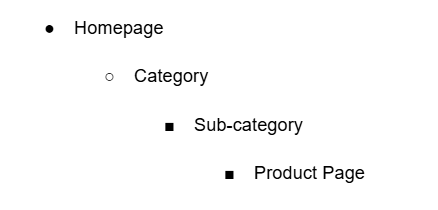
Use relevant anchor text to link related products and categories. Leverage internal linking to key service pages or blog posts related to your niche. You can also contact a search engine optimisation consultant that will help you to guide you in establishing a good SEO-friendly hierarchical structure.
4. Neglecting Mobile Optimisation
Over 60% of all eCommerce traffic now comes from mobile devices. A website that isn’t mobile-friendly loses customers and rankings alike.
What to do:
Ensure your site uses responsive design, fast load times, and mobile-optimised navigation. Google’s mobile-first indexing means if your mobile site underperforms, your desktop rankings suffer.
5. Slow Page Loading Speed
Page speed is a confirmed ranking factor. Slow websites drive users away. Conversions can drop by 7% even with a one-second delay.
What to do:
- Compress images
- Minify CSS, JavaScript, and HTML
- Use CDNs (Content Delivery Networks)
- Opt for reliable hosting
Use Google PageSpeed Insights to identify bottlenecks.
6. Ignoring Technical SEO Issues
From broken links to unoptimised URLs and missing meta tags, technical SEO problems are often the silent killer of rankings.
What to do:
Periodically audit your site using tools like Screaming Frog SEO Spider or Sitebulb. Fix the following issues:
- Missing alt text
- Broken redirects
- Noindex/nofollow tags where unnecessary
- Unoptimised URL slugs (use hyphens and keywords)
7. Thin Content on Category and Product Pages
Search engines reward comprehensive, value-driven content. Thin pages without enough descriptive content or keywords often fail to rank.
What to do:
Each category page should have a 300–500 word introduction, enriched with keywords and useful info. Product pages must include details, FAQs, reviews, and multimedia to enhance engagement.
8. Not Utilising Schema Markup
Rich snippets improve your click-through rate by showing product price, availability, and ratings directly in search results. Ignoring schema markup is a wasted SEO opportunity.
What to do:
Add structured data using JSON-LD for products, reviews, FAQs, and breadcrumbs. Use Google’s Rich Results Test to validate.
9. Skipping Content Marketing and Blogging
Many eCommerce brands focus solely on product listings, forgetting that blogs can attract top-of-funnel traffic and build authority.
What to do:
Create keyword-rich blog content around buying guides, product comparisons, how-tos, and industry trends. Link back to product pages and service categories to boost topical relevance.
10. Failing to Monitor SEO Performance
Without tracking, you’re flying blind. Many businesses launch optimisations but never measure their impact.
What to do:
Set up Google Analytics and Google Search Console. Monitor:
- Organic traffic trends
- Bounce rate
- Top landing pages
- Conversion rate
- Crawl errors
Utilise data to improve strategies and focus more on what is effective.
Final Thoughts
Avoiding these eCommerce SEO mistakes can dramatically enhance your brand visibility, traffic, and conversions. SEO is not a one-time task—it's an ongoing investment in your digital real estate. In addition to ranking better, a well-optimised website gains credibility and trust from its audience.
About the Creator
Crunchy Digital
Crunchy Digital is your trusted digital marketing agency in Sydney. Since 2018, we've consistently driven growth for Australian businesses.
Enjoyed the story? Support the Creator.
Subscribe for free to receive all their stories in your feed.
Comments
There are no comments for this story
Be the first to respond and start the conversation.