
Why Most Business Partnerships Fail - Interview with Kyle Kane from OnSpark
A conversation with Kyle Kane (co-founder of OnSpark on the two hidden forces destroying the partnerships founders need most

The partnership looked perfect on paper. Aligned industries. Complementary skills. Shared ambitions. Within eighteen months, it had dissolved into silence, recrimination, and a legal dispute neither party anticipated.
The founders had their theories: wrong timing, misaligned expectations, a shift in market conditions. But the deeper picture, the one nobody wanted to examine, had nothing to do with strategy. It had everything to do with psychology.
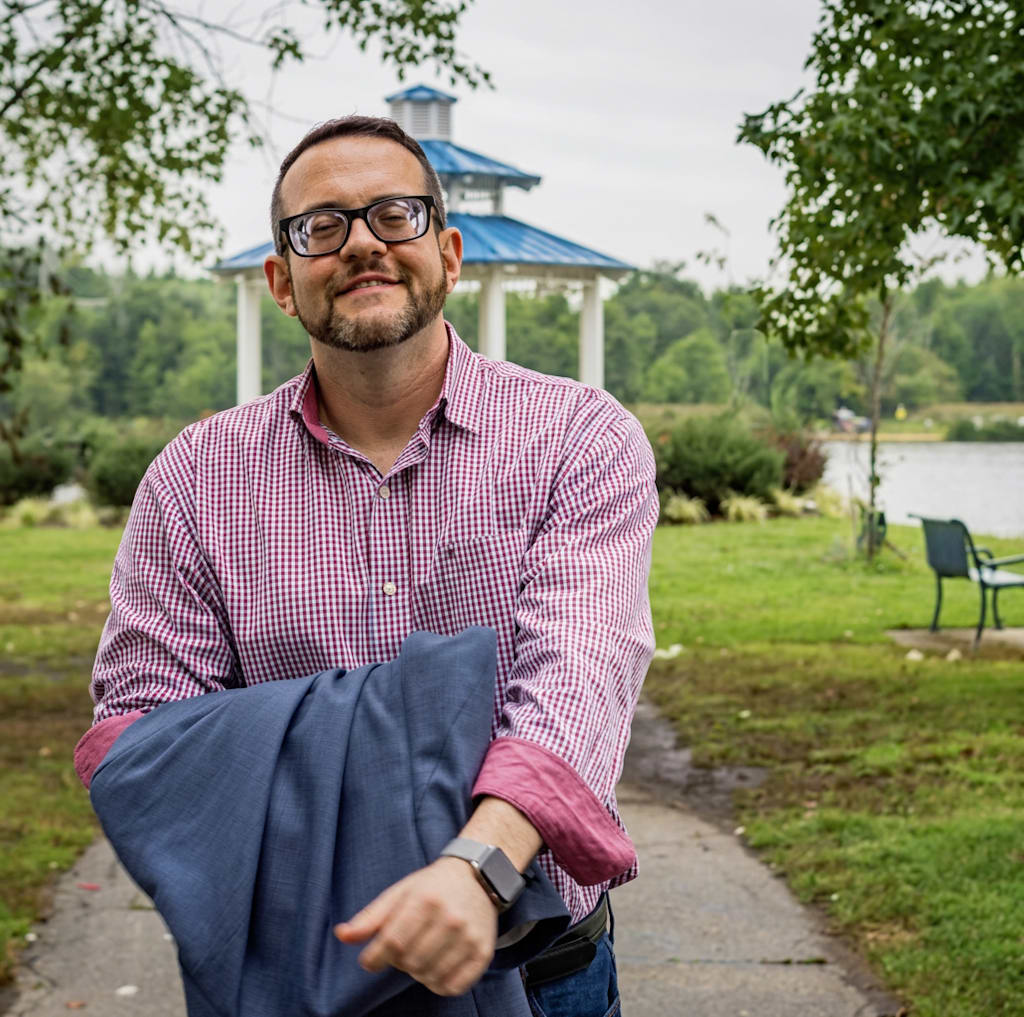
"The wound that destroys most partnerships was never in the contract," says Kyle Kane, entrepreneur, Inc. 500 founder, and co-founder of onSpark, an AI-powered platform that helps companies evaluate partnership compatibility using behavioral analysis.
"Founders raised in environments where love was conditional, where approval had to be earned and could always be revoked, spend their adult careers unconsciously recreating that dynamic in their business relationships, chasing the validation of a recognizable name or a powerful co-signer the way they once chased a parent's attention. The partnership fails not because the strategy was wrong but because one party needed it to succeed for reasons that had nothing to do with business, and that kind of need, unexamined and unnamed, will sabotage even the most perfectly aligned collaboration every single time."
Kyle Kane would know. He built 180 South to Inc. 500 #13 fastest-growing company in America, generating over $2 billion in global campaign-driven sales with partners including Rihanna, Katy Perry, Coca-Cola, and Samsung. So we can agree that he has studied partnership failures more than most people. And he has built onSpark specifically to give founders a measurable, repeatable system for evaluating compatibility before emotional momentum takes over.
What would you say is the number one mistake founders make when evaluating a potential partnership, one that has nothing to do with business logic?
I have had this conversation dozens of times with founders who came in confident and left confused about why a deal that looked so promising fell apart within months. The pattern is always the same. There is a surface-level explanation, and then there is the real one underneath.
"The wound that destroys most partnerships was never in the contract. Founders raised in environments where love was conditional, where approval had to be earned and could always be revoked, spend their adult careers unconsciously recreating that dynamic in their business relationships, chasing the validation of a recognizable name or a powerful co-signer the way they once chased a parent's attention. The partnership fails not because the strategy was wrong but because one party needed it to succeed for reasons that had nothing to do with business, and that kind of need, unexamined and unnamed, will sabotage even the most perfectly aligned collaboration every single time."
This is not a comfortable thing to hear. But it is the thing that explains why so many partnerships that should have worked did not.
You have identified two root causes behind why partnerships fail. Can you elaborate on those?
"Every partnership failure I have studied, and I have studied more than most people would find comfortable, traces back to one of two interior conditions that no term sheet has ever been sophisticated enough to detect or correct."
That is a bold opening. But Kane is not known for softening his conclusions.
"The first is a lack of self-worth, which in a business context manifests as the compulsive tendency to over-give, under-charge, and accept terms that no person with a clear and grounded sense of their own value would ever agree to. Founders operating from this wound do not negotiate from strength. They negotiate from gratitude, grateful that someone credible wanted them at the table at all, and that gratitude becomes the most expensive seat in the room. They dilute equity they should have protected, extend trust they should have tested, and absorb asymmetric risk they should have redistributed, all because some unexamined part of them believed the partnership was more than they deserved and feared that asking for fairness would end it."
And the second?
"The second is a deficit of trust, and this one is more insidious because it wears the disguise of due diligence. Founders who have been burned, betrayed, or abandoned in formative relationships, professional or otherwise, bring that history into every negotiation whether they intend to or not. They either extend trust recklessly to people who remind them of someone safe, or they withhold it entirely from people who have done nothing to earn the suspicion. Neither posture produces durable partnership."
"What onSpark's Trust and Fit Score was built to do is create an objective foundation beneath those subjective histories, giving founders a system they can trust precisely because it is not distorted by the wounds they carried into the room."
What separates founders who consistently build strong partnerships from those who keep picking the wrong collaborators?
This is where the conversation gets practical. Because knowing the problem is one thing. Knowing how to fix it is another.
"The founders who consistently build strong partnerships have done the harder interior work of understanding their own value clearly enough that they stop seeking partners who compensate for their insecurities and start seeking partners who compound their strengths. What onSpark's Trust and Fit Score and the O.P.A. Framework do, at their most essential level, is externalize that clarity into a measurable, repeatable system, removing the emotional static that clouds most partnership decisions and replacing it with a structural methodology that evaluates compatibility before either party has committed their name, their capital, or their reputation. The founders who keep picking the wrong collaborators are almost always operating from scarcity and intuition alone, and intuition without infrastructure is just hope wearing a term sheet. onSpark was built precisely to close that gap."
That last line is important. Intuition is valuable. But intuition without a system to back it up is just wishful thinking dressed up in business language.
When the AI analyzes communication behavior, what specifically is it looking at? And how does that differ from how founders currently evaluate chemistry with a potential partner?
This is the part that most founders are curious about. They hear "AI" and they think technology. But Kane frames it differently.
"Most founders evaluate partnership chemistry the way they evaluate friendships, which is to say, they feel it or they do not, and they make a consequential business decision on the basis of a sensation that neuroscience has thoroughly documented as unreliable, context-dependent, and heavily distorted by familiarity bias and the unconscious hunger for approval."
That is a striking statement. Most founders believe their gut is their best asset. Kane is saying it is also their biggest liability.
"Where personality assessments like DISC, MBTI, BANK, and the Enneagram capture how someone generally shows up in the world, onSpark's AI is listening at a fundamentally different frequency, one calibrated specifically for the high-stakes dynamics of partnership. We analyze the behavioral markers that emerge under constraint, the emotional patterns that surface when alignment is tested, the linguistic preferences that reveal how someone actually processes accountability versus how they perform it, and the communication styles that predict whether a relationship will compound or quietly corrode over time."
"What onSpark is doing, in its most essential function, is surfacing the red flags that charm, enthusiasm, and a well-constructed pitch deck were specifically designed to conceal, before our subscribers have poured their time, their capital, and their credibility into a collaboration that a deeper read would have disqualified in the first conversation. All partners look good on paper; typically we only find out it's misaligned after one partner 'ghosts' the other, or outcomes don't match performance expectations."
That is the real value proposition. Not finding good partners. Avoiding the bad ones before they cost you.
What advice would you give founders looking to recognize these patterns before they destroy their next deal?
Before you sign your next partnership agreement, slow down. That is the simplest and hardest advice I can give.
The question is not just "Is this a good partner?" It is "Am I choosing this partner from strength or from hunger?" The answer determines everything.
Audit your last three partnership decisions. Examine your motivation before you analyze the business case. Did you feel excited, seen, or relieved when the opportunity arose? Those emotions have information. Ask yourself: What need was this partnership meeting beyond the strategic one?
Identify your non-negotiables separately from your desires. Founders often confuse what they want with what they need. Make a clear list before conversations begin and hold it before evaluating anyone specific.
Notice your body's signals before committing. Tension, urgency, excessive enthusiasm. These are data points. Slow down when you feel them. The best partnerships rarely feel like infatuation. They feel like recognition.
And test trust gradually rather than extending it fully upfront. Trust built through small promises kept is more durable than trust extended on goodwill alone. Give partners the opportunity to demonstrate reliability before you depend on them.
About the Creator
Laurens Tijssen
Helping Entrepreneurs Achieve Strategic Power.
Published over 400+ Articles.
I wrote articles for client on Forbes, USA Today, Rolling Stone, Business Insider, Reuters and other leading publications.
Enjoyed the story? Support the Creator.
Subscribe for free to receive all their stories in your feed.
Comments
There are no comments for this story
Be the first to respond and start the conversation.