
Toy Mason Is Turning Unfinished Stories Into Powerful Films That Inspire Healing and Purpose
Visionary Women

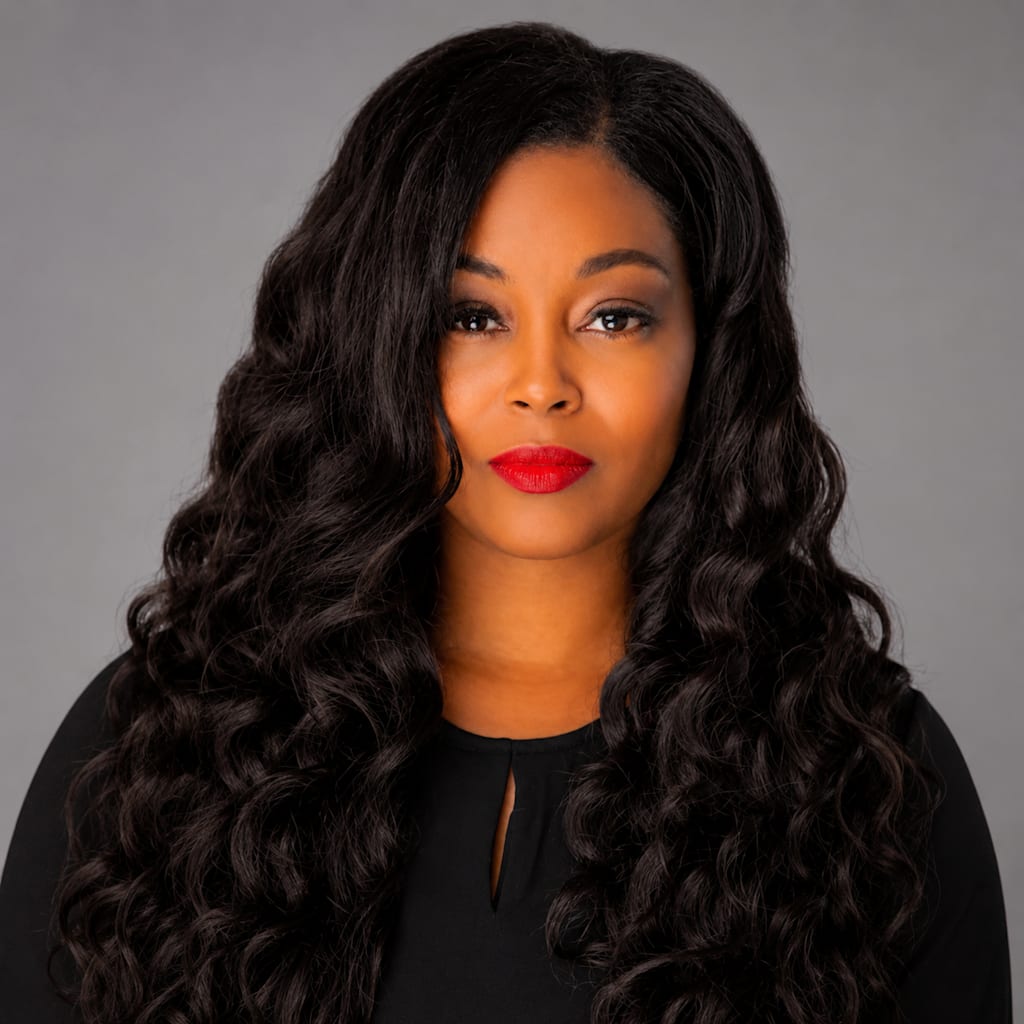
For award-winning filmmaker and PaperToys Films CEO Toy Mason, storytelling is more than entertainment. It is an opportunity to give people a voice, create space for vulnerability and remind others that even the hardest chapters of life do not have to be the end of the story.
From working behind the scenes on nationally recognized television programs to building a career in publicity and ultimately creating her own production company, Mason has spent years learning how stories are developed, shaped and shared with audiences. Her journey has led her to documentary filmmaking, where she is using her creative vision to explore the experiences of real people and the moments that have shaped them.
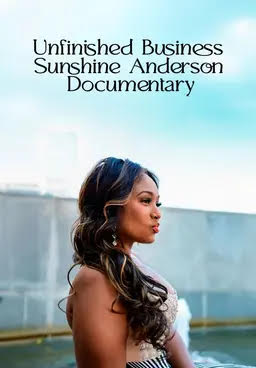
Her award-winning documentary Unfinished Business: Sunshine Anderson, which received the Afro South Music Doc Award and is streaming on Tubi, reflects that mission. The film gives Sunshine Anderson the opportunity to share her story with honesty and vulnerability while creating a point of connection for viewers who may see pieces of their own experiences within hers.
For Mason, the stories that deserve to be heard are not always the ones with the biggest headlines. Sometimes they belong to ordinary people who have endured extraordinary circumstances, faced their darkest moments and found the courage to begin again.
That belief is at the heart of PaperToys Films and Mason’s approach to documentary storytelling. She sees filmmaking as a responsibility, one that requires empathy, honesty, purpose and respect for the people trusting her with their stories. Her work is a reminder that our most difficult experiences can carry meaning, and that telling the truth about where we have been can sometimes help someone else find their way forward.
As Mason continues expanding PaperToys Films and developing new documentary and scripted projects, her vision is clear: create meaningful stories that entertain, challenge perspectives, spark conversation and, in some way, contribute to healing.
In this conversation, Toy Mason shares the lessons behind her journey, the purpose driving her work, the story behind Unfinished Business: Sunshine Anderson and why creatives should never wait for permission to bring a powerful story to life.
Toy, your journey has taken you from working behind the scenes on nationally recognized television programs to becoming an award-winning filmmaker and CEO of PaperToys Films. What inspired you to create your own lane in documentary storytelling?
Toy: What inspired me was the opportunity to serve others. Tell others stories of pain and struggle and hopes of their story to heal others. Where we are in the world today, it needs healing. Hearing other people’s stories of Unfinished Business in their darkest times is an opportunity to help and heal others who can’t get out of those darkest periods.
Your documentary Unfinished Business: Sunshine Anderson received the Afro South Music Doc Award and is streaming on Tubi. What was it about Sunshine Anderson’s story that you felt needed to be shared with the world?
Toy: I felt that since she had never had the opportunity to tell her story, and she was ready to tell it, it was needed in such a time as this. Sunshine has a powerful voice. Vocally and socially. This was her second attempt at telling people her story in the most vulnerable way possible. Her story was no different from any other story that’s out there. Ordinary people have her story. We never hear those stories. So part of its purpose was for the audience to relate. Hear her story and know that they can get up and reinvent themselves.
As a filmmaker, Executive Producer, and former publicist who has worked with major entertainers, how has your background in publicity shaped the way you approach storytelling and building a connection between audiences and the people featured in your projects?
Toy: I have always loved being in the process of helping and shaping entertainment. Encouraging them, getting them prepared and ready for the world has always been a passion of mine. So when I decided to bet on myself in story telling, I wanted to tell the stories of these ordinary people who got a big break in life. There are stories behind the curtain and I have always wanted to share the vulnerability they have. They are just like you and me. But with a bigger responsibility.
Independent filmmaking requires vision, patience, and resilience. What have been some of the biggest lessons you have learned while building PaperToys Films and creating culturally impactful content?
Toy: One of the biggest lessons I’ve learned building PaperToys Films is that you have to believe in your vision before anyone else does. Independent filmmaking requires a tremendous amount of patience and resilience because you’re often wearing every hat: you’re the creator, producer, fundraiser, problem-solver, and sometimes even the person reminding everyone why the story matters.
I’ve also learned that purpose has to be bigger than the obstacles. When you’re creating culturally impactful content, especially stories that center people and experiences that aren’t always given the space they deserve, there will be moments when you question whether you should keep going. But those are usually the moments when you have to dig deeper into your “why.”
PaperToys has taught me to trust my creative instincts, protect the integrity of the story, and understand that everything doesn’t have to happen overnight. Building something meaningful takes time. I’ve learned to see rejection, delays, and challenges as part of the process rather than proof that I’m not supposed to do it. PaperToys has always been making something out of nothing. When you were younger and you couldn’t afford the toy you wanted, you’ll make a paper toy. It will be the best toy you ever had because it came at a time when it fulfilled a void.

Documentary storytelling has the power to preserve history, highlight untold experiences, and create conversations. What responsibility do you feel filmmakers have when telling real-life stories?
Toy: To me, always make sure your purpose is to connect with the audience. My purpose is to use pain and struggle to heal others. I know my purpose is to heal. I believe filmmakers have a tremendous responsibility when telling real-life stories because we’re not just documenting someone’s life, we’re helping shape how their story will be remembered. That requires honesty, empathy, and a deep respect for the people who trust us with their experiences. For me, documentary filmmaking is about giving people the opportunity to speak for themselves, rather than creating a narrative that simply fits what I want the audience to believe. There’s a responsibility to do the research, ask difficult questions, provide context, and recognize that real people have to live with the story long after the cameras stop rolling.
You have worked across multiple areas of entertainment, from television production to publicity and filmmaking. How has each chapter of your career prepared you for the role you have today as a creative leader?
Toy: When I was a production assistant I always wanted to wear different hats to see where I was supposed to be. What was the best fit for me. To see which department was my purpose. I used to work in radio and I know music has always been a part of me. So marrying film and music feels so right. I think every chapter of my career prepared me for the person and creative leader I am today. Television production taught me how to build a story from the inside out. I learned how a production actually moves from development and pre-production to working with talent, crews, deadlines, and all the unexpected things that happen behind the scenes. It taught me discipline and how important it is to understand every part of the process.
For aspiring filmmakers and creatives who have a powerful story they want to bring to life but may not have access to major resources, what advice would you share with them?
Toy: My biggest advice is don’t wait for permission, and don’t wait until you have everything. Start with what you have. I think sometimes creatives look at major productions and assume they need a huge budget, a major network, or a long list of industry connections before they can tell their story. But your first investment has to be your idea, your voice, and your willingness to do the work. Start small. Write the treatment. Shoot the interview. Create the sizzle reel. Make the short film. Build the proof of concept. Even if you’re filming on your phone, you’re creating something that can help people see your vision.
Looking ahead, what can audiences expect from Toy Mason and PaperToys Films? Are there any upcoming projects or new stories you are excited to bring to the screen?
Toy: The audience can expect that any project I do will have purpose and meaning. Any project will be healing in different forms. The next project we will be working on is the Unfinished Business docu series alongside The BE Group. Multiple artists telling their stories of their Unfinished Business.
I think audiences can expect bigger stories, deeper storytelling, and a lot more intentionality from Toy Mason and PaperToys Films. I’m really focused on creating work that entertains people, but also makes them feel something, question something, or see a person or experience differently.
Right now, I’m excited about continuing to develop documentaries and scripted projects that explore Black culture, women, relationships, family, identity, resilience, and the stories that often exist beneath the surface. I’m especially interested in stories that have cultural significance but still feel deeply personal and human.
Follow on Instagram @unfinished_business26 and @papertoysss
About the Creator
Tammy Reese
Tammy is best known for her legendary interviews with Sharon Stone, Angela Bassett, Sigourney Weaver, Geena Davis, Morris Chestnut, Jeffrey Dean Morgan, Sheryl Lee Ralph, Laurence Fishburne, Omar Epps, Joseph Sikora, and more.
Enjoyed the story? Support the Creator.
Subscribe for free to receive all their stories in your feed.
Comments
There are no comments for this story
Be the first to respond and start the conversation.