Photographers
The Interview That Changed My Perspective
M Mehran I remember the day vividly—not because it was special, but because it terrified me. I had spent weeks preparing for this interview. Every evening was filled with mock questions, endless research about the company, and pep talks in front of the mirror. I needed this opportunity—not just for a job, but for a chance to prove to myself that I could start over. The office smelled faintly of fresh paint and polished wood. The waiting room was quiet except for the low hum of a printer. I sat in the corner, resume in hand, heart pounding like a drum. Other candidates whispered to each other, sharing notes and smiles, but I barely noticed them. My focus was inward, rehearsing answers, imagining questions, and feeling a surge of self-doubt with each passing second. When my name was called, I stood, walked toward the interview room, and realized my palms were sweaty despite holding my folder tightly. Inside, three interviewers sat behind a long table, smiling politely. Their warmth eased me slightly, but my nerves remained. “Tell us about yourself,” the HR manager said. I paused. I could recite the typical corporate answer, but it wouldn’t capture why I was really here. I took a deep breath and began: “I grew up believing I had to follow a fixed path—school, college, job. But life hasn’t been linear for me. I’ve faced setbacks, moments when I doubted myself, and times when I wasn’t sure if I could continue. What I’ve learned is that perseverance, curiosity, and a willingness to learn from mistakes are what define me. And that’s what I bring with me today.” The room was silent for a moment, then the department head nodded. “Can you give us an example of a challenge you overcame?” I spoke about a project I had led that had initially failed. The team had made errors, deadlines were missed, and the client was unhappy. But instead of giving up, I organized meetings, communicated openly, and encouraged the team. We restructured the project, found solutions together, and eventually succeeded. It wasn’t a perfect outcome, but it was meaningful. The senior interviewer smiled faintly. “It takes courage to admit mistakes and take responsibility. Most people would have hidden them.” Questions continued—some technical, some situational—but the conversation shifted. Instead of memorized answers, I spoke honestly, sharing my struggles, my approach to learning, and my vision for growth. Each answer felt like a small act of self-affirmation. Then came the final question: “Why should we hire you?” I looked at them, searching for the right words. “Because I bring more than skills and experience. I bring commitment, empathy, and resilience. I won’t just work for a paycheck—I’ll contribute, learn, and grow alongside this team. I believe in giving my best, even when the outcome is uncertain. That’s who I am.” The interview ended with handshakes and smiles. I left the building, feeling lighter than when I arrived, as though the act of being honest, vulnerable, and real had already rewarded me. Two days later, an email arrived. We are pleased to offer you the position. I read it over and over, tears of relief and joy filling my eyes. But beyond the job offer, I realized the deeper lesson: interviews aren’t just about being the most qualified. They’re about showing who you truly are—your resilience, your honesty, your willingness to grow. That interview didn’t just change my career—it changed my perspective on life. I learned that authenticity matters more than perfection, and courage matters more than confidence. The experience reminded me that setbacks are not failures, but opportunities to learn and to show the world your true potential. Sometimes, the right opportunity doesn’t just knock—it tests you, challenges you, and demands that you be your real self. And if you rise to the occasion, you don’t just get a job—you gain confidence, growth, and a story worth telling.
By Muhammad Mehranabout a year ago in Interview
The Interview That Felt Like a Test
M Mehran The elevator ride to the 34th floor felt like a countdown. Each ding of the floors passing by made my heart thump louder. This wasn’t just any interview—it was the one that could define the next chapter of my life. I stepped out and found myself in a sleek, glass-walled lobby. The receptionist’s polite smile did little to calm my nerves. “You’re here for the 10 a.m. interview?” she asked. I nodded, my throat suddenly dry. She gestured toward the waiting area, where a few candidates sat quietly, scrolling on their phones or reviewing notes. I took a seat, clutching my portfolio like a lifeline. Around me, the other candidates radiated confidence. One of them even gave me a curt nod, the kind that said, you don’t belong here. I swallowed hard and tried to focus on my breathing. When my name was called, my legs carried me forward, but my mind was racing a hundred miles an hour. The interview room was stark—three chairs on one side of a polished wooden table, three men sitting behind it, expressions unreadable. They greeted me with nods, and I sat, trying to project calm I didn’t feel. “Why do you want this role?” the first interviewer asked. I hesitated. I knew the usual answers about passion and alignment with company values, but I wanted to stand out. “Because I’m tired of playing it safe,” I said. “I want a challenge that pushes me beyond what I think I’m capable of.” A brief silence followed. The second interviewer leaned forward. “Tell us about a time you failed.” My stomach twisted. I hadn’t expected that. I could give a generic corporate answer, but honesty felt heavier, more meaningful. “I once led a project that completely fell apart,” I said. “We missed deadlines, the client was unhappy, and I felt like I had let everyone down. But I learned how to communicate better, delegate tasks efficiently, and adapt under pressure. That failure taught me more than any success ever did.” The third interviewer’s eyes softened slightly. “Interesting. Most candidates avoid talking about failure.” I felt a small surge of confidence. Maybe being honest wasn’t a weakness—it was a strength. Then came the technical round, and my palms began to sweat again. Questions came fast and sharp. Some I knew; some I had to think through carefully. I could feel time slipping by, the clock ticking louder in my ears than any question. And then came the question that made me freeze: “Imagine you’re given a task outside your skill set, with an impossible deadline. What do you do?” I glanced at the panel, then took a deep breath. “I’d break it down, learn what I could along the way, and ask for guidance when necessary. I’ve learned that admitting what you don’t know isn’t weakness—it’s the first step to solving a problem.” Another pause. Then, unexpectedly, the first interviewer smiled. “You have a very different perspective. Most would claim they know everything and bluff through it.” By the end of the interview, I felt drained but strangely exhilarated. I had walked in nervous, unsure, and anxious. I walked out with a sense of accomplishment I hadn’t expected. I had faced the unknown and stayed true to myself. Three days later, the call came. I barely recognized the number, but I answered with a shaky, hopeful voice. “Congratulations,” said the HR manager on the other end. “We’d like to offer you the position.” Relief washed over me in waves, and I laughed out loud, startling a few people nearby. The interview that had terrified me, the questions that had made me question myself, had led to this moment. Sitting back that evening, I reflected on the experience. Interviews aren’t just about testing skills—they’re about revealing character, resilience, and honesty. They’re about showing you can handle pressure and still stand upright, even when the room seems designed to shake you down. That day, I realized something profound: sometimes, the interview isn’t just a gateway to a job—it’s a test of who you are when no one is looking. And if you can pass that test, everything else falls into place.
By Muhammad Mehranabout a year ago in Interview
John Stapleton
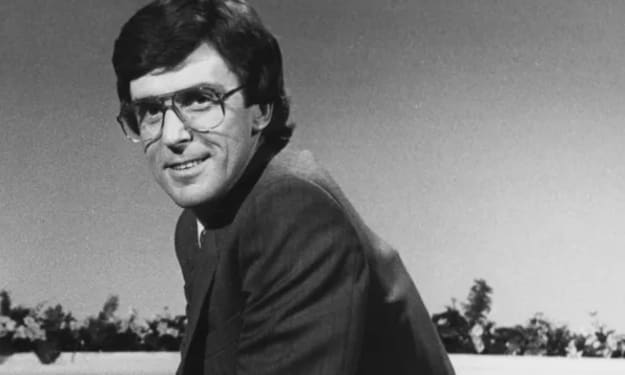
John Stapleton: Celebrating a Broadcasting Legend and His Enduring Legacy For decades, John Stapleton was a fixture in British living rooms. As a co-host on iconic programmes like BBC's Breakfast Time and the consumer affairs show Watchdog alongside his wife, Lynn Faulds Wood, he became a trusted and familiar face. His straightforward presenting style and dedication to journalism made him a household name. However, recent online searches like "has john stapleton died" and "john stapleton death" have caused concern among his many fans. This article aims to separate fact from fiction and celebrate the life and career of this broadcasting veteran.
By KAMRAN AHMADabout a year ago in Interview
"Perfect Timing: Mastering the Art of Interview Punctuality"
Maya adjusted the strap of her bag as she stepped out of the metro station. Her eyes flicked to her watch — 9:42 a.m. Her interview at SolisTech Solutions wasn’t until 10:00, but she had planned her arrival down to the minute. Not too early, not late — just right. She took a deep breath of the cool morning air and smiled. For Maya, this wasn’t just another job interview. It was her first real opportunity to step into the tech world she’d spent years preparing for. And she knew that making a good impression started well before she even said a word. From the moment she began her job search, Maya had read everything she could about acing interviews. One piece of advice stood out more than any other: “Arrive on time — not too early, never late.” At first, that seemed obvious. But the more she thought about it, the more she realized how much that single detail could shape the way she was perceived. She had a friend, Leo, who had arrived 30 minutes early for an interview and ended up waiting awkwardly in a crowded lobby. The receptionist seemed annoyed, and the hiring manager wasn’t ready to receive him. The whole thing had thrown him off. “It made me feel like I was imposing,” he had told her. Maya took that lesson to heart. So here she was, standing across the street from the SolisTech building with just over 15 minutes to spare. She ducked into a nearby café, ordered a small tea, and reviewed her notes. She had researched the company, practiced her answers, and even prepared a few thoughtful questions. But above all, she reminded herself to stay calm and be herself. At 9:53, she stood up, tossed her cup, and made her way toward the building. The walk took exactly five minutes. At 9:58, she stepped into the sleek, modern lobby and approached the reception desk. “Hi, I’m Maya Singh. I have a 10 a.m. interview with Mr. Lawson,” she said, offering a friendly smile. The receptionist nodded and returned the smile. “Perfect timing, Maya. He’ll be out to meet you shortly.” Perfect timing. Those words reassured her more than she expected. As she sat down, Maya noticed how calm she felt — not rushed, not overly anxious, just present and ready. Within minutes, Mr. Lawson appeared with a warm greeting and a firm handshake. The interview flowed naturally. They talked about her background, her portfolio, and her passion for creating meaningful user experiences. Maya felt confident and clear-headed, and she realized how much of that came from the calm start to her day. As the interview wrapped up, Mr. Lawson said something that stuck with her: “You came in right on time, prepared and composed — that already says a lot about how you work.” Later that afternoon, Maya received a call from the HR department. She had made it to the final round. The experience reaffirmed what she had learned: being on time isn’t just about the clock; it’s about showing respect — for the interviewer, for the process, and for yourself. --- The Hidden Power of Timing Interview timing might seem like a small detail, but it can leave a lasting impression. Arriving too early can inconvenience the team and make you feel awkward. Arriving late, of course, can signal poor planning or a lack of seriousness. The sweet spot? Aim to arrive at the building 10 to 15 minutes early. Use those few minutes to center yourself. If you’re far too early, wait in a nearby coffee shop or take a short walk. Enter the office five minutes before your scheduled time — this shows you’re prompt, respectful, and thoughtful. It’s also wise to plan your route in advance. Consider traffic, weather, and transit delays. And always have a backup plan. --- Final Thoughts Maya didn’t get the job on punctuality alone — her skills and personality sealed the deal. But that first impression, built on a foundation of perfect timing, gave her the calm confidence she needed to shine. In a world where everyone is rushing, showing up right on time might just be your quiet superpower.
By Muhammad Saad about a year ago in Interview
Mastering the Modern Interview
When Jordan Patel graduated with a degree in Marketing in 2020, he expected to walk into a job within a few months. Armed with a solid GPA, a few internships, and polished communication skills, he thought he was more than prepared for any interview that came his way. But the world had changed. The COVID-19 pandemic accelerated a shift in hiring practices. Zoom replaced conference rooms. Video assessments and AI screeners filtered applicants before human eyes ever reviewed resumes. Job requirements seemed to evolve faster than Jordan could tailor his cover letters. He applied for over 50 roles in his first three months after graduation. While he landed a few initial screenings, the rejections piled up. “We’ve decided to move forward with other candidates.” The phrase became so familiar it almost felt personal. Frustrated and uncertain, Jordan knew he needed a new approach. That’s when he stumbled upon a virtual workshop titled Mastering the Modern Interview: Insights and Strategies to Succeed in Today’s Evolving Job Market. Skeptical but desperate, he signed up. The workshop, led by career strategist Lena Xu, didn’t start with resume advice or generic tips about “dressing professionally.” Instead, she asked a simple but powerful question: “What story does your interview tell?” Jordan was puzzled. His story was that he went to a good school, interned at two mid-sized firms, and was eager to work. Wasn’t that enough? Lena explained that in the modern job market, where algorithms sort resumes and cultural fit often weighs as heavily as experience, candidates must be both storytellers and strategists. “In every interview,” she said, “you’re not just answering questions—you’re shaping perception. You’re demonstrating how you think, how you solve problems, and how you’ll fit into a team that may never work together in the same room.” Jordan took notes furiously. Here’s what he learned—and eventually used to turn his job search around. --- 1. Understand the New Hiring Funnel Modern hiring isn't linear. Many companies now use Applicant Tracking Systems (ATS) to scan resumes, followed by automated video interviews, skills assessments, and final-stage panels over video conferencing platforms. Jordan realized he wasn’t tailoring his resume to beat the ATS. After learning how to incorporate keywords from job descriptions, his response rate doubled. --- 2. Practice Behavioral Storytelling Rather than memorizing answers, Jordan started crafting concise stories using the STAR method—Situation, Task, Action, Result. For example, instead of saying, “I led a social media campaign,” he told a story about launching a campaign that increased engagement by 42% in six weeks, including how he collaborated with designers remotely during a lockdown. Lena emphasized: “Data plus emotion equals impact. Make your answers memorable.” --- 3. Show Remote Readiness Jordan also hadn’t realized the importance of demonstrating remote work skills—self-management, digital collaboration, and communication clarity. He began mentioning how he organized virtual brainstorming sessions and used project management tools like Asana and Slack during internships. --- 4. Engage Like a Consultant, Not a Job Seeker One breakthrough insight was treating interviews more like consultations than interrogations. Instead of just answering questions, Jordan started asking sharp, specific ones about company challenges. For a fintech marketing role, he asked, “What’s been the biggest hurdle in reaching Gen Z users, and how does the team plan to address it?” This positioned him not as a passive applicant, but as a curious, strategic thinker. --- 5. Embrace Digital Body Language Eye contact on Zoom means looking at the camera, not the screen. Jordan practiced keeping his posture open, avoiding fidgeting, and nodding attentively when others spoke. These subtle cues helped him build rapport—even over video. --- Over the next few weeks, Jordan revamped his entire approach. He landed interviews at three competitive startups. Each time, he entered with clear stories, practiced delivery, and thoughtful questions. Finally, he received an offer from a growing health-tech company—a role that didn’t just align with his skills, but with his long-term career goals. During his final panel interview, one of the directors said, “You really came across as someone who understands our mission and would hit the ground running.” --- The New Rules of Interviewing Jordan’s journey reflects a broader truth about today’s job market: the interview isn’t just a gatekeeping ritual—it’s a storytelling stage. Candidates must blend emotional intelligence, digital fluency, and strategic thinking to stand out. As Lena often said, “The resume gets you into the room. The story gets you the job.” Mastering the modern interview is about more than confidence—it’s about clarity, preparation, and understanding how the game has changed. Jordan’s story is just one example. But in an era where the landscape keeps shifting, the real skill isn’t just answering questions—it’s knowing which ones to ask, and how to tell your story in a way that truly resonates.
By Muhammad Saad about a year ago in Interview
Nailing the Interview: Your Gateway to Career Success
Nailing the Interview: Your Gateway to Career Success Essential Tips, Mindsets, and Strategies to Shine and Stand Out Maya stood in front of the mirror, adjusting her blazer for the third time. She'd read the job description more times than she could count, memorized her resume, rehearsed answers aloud, and even practiced her “weakness” answer until it sounded almost charming. But no matter how much she prepared, the nerves still fluttered in her stomach like trapped birds. This was no ordinary interview. It was her gateway. After graduating with honors in marketing and enduring months of rejection emails and ghosted applications, this opportunity at a fast-growing tech startup felt like a turning point. She had to nail it. Earlier that week, Maya had shifted her strategy. She stopped mindlessly applying and started thinking intentionally. Instead of trying to fit herself into every job, she identified roles that matched not just her qualifications, but her passions and long-term goals. This job, a junior brand strategist role, hit all the marks. She dove deep into research—not just on the company, but on the people. She reviewed the CEO’s latest podcast interview, studied the brand’s tone across social media, and even noted how the company responded to customers online. “Know the company like you already work there,” her mentor had advised. That mindset changed everything. On the morning of the interview, Maya carried not just knowledge, but confidence. She’d turned fear into curiosity. Rather than obsessing over what they might ask, she thought, What do I want them to know about me? That shift—from fear to ownership—became her secret weapon. The video call started at exactly 10:00 a.m. Her interviewer, Clara, greeted her with a warm smile. Maya greeted her by name, thanked her for the opportunity, and asked how her morning was going. Not robotic small talk—just human conversation. That set the tone. Then came the questions. “Tell me about yourself.” Instead of launching into a rehearsed chronology, Maya told a short story. She spoke about the time she helped her university’s theater club rebrand their annual play campaign, boosting ticket sales by 40%. She wove in her passion for storytelling, her background in data-driven campaigns, and her love for connecting with audiences. It wasn’t just what she said, but how she said it—with energy, authenticity, and purpose. “Why do you want to work here?” Maya smiled. “Because your brand feels real. I’ve followed your growth over the past year, and what stood out wasn’t just your success—it was how you communicate. You speak with personality, and you listen to your customers. That’s the kind of brand I want to help grow.” Clara nodded, impressed. When asked about a time she failed, Maya didn’t sugarcoat it. She talked about a group project in college that fell apart due to poor communication—and how that experience pushed her to take a project management course and lead a student-run campaign with weekly team check-ins and clear deliverables. She didn’t just describe the failure—she explained how she grew from it. And finally, when Clara asked if she had any questions, Maya didn’t say, “Not really.” She asked thoughtful ones: “What’s a recent challenge the team faced and how did you overcome it?” “What does success look like for this role in the first six months?” “What’s one thing you love about working here that people outside the company might not expect?” The interview ended with smiles on both sides. Maya thanked Clara, mentioned that she was genuinely excited about the role, and followed up with a personalized thank-you email later that day—referencing a detail Clara had shared about a recent campaign and complimenting it sincerely. A week later, Maya received the call. She got the job. Looking back, she realized the key wasn’t just preparation—it was alignment. She’d stopped trying to mold herself to fit every opportunity and instead focused on where she naturally fit. She prepared thoroughly, yes, but she also approached the interview with clarity, intention, and authenticity. She’d learned that interviews aren’t just tests—they’re conversations. They’re not just about having the right answers, but about asking the right questions. And above all, they’re not about being perfect—they’re about being real, prepared, and purposeful. --- Takeaways from Maya’s Journey: Do Your Research: Go beyond the company’s “About Us” page. Understand their values, voice, and recent activity. Craft Your Narrative: Don’t recite your resume—tell a story that connects your experience to the role. Shift Your Mindset: Treat the interview as a two-way street. You’re evaluating them too. Own Your Weaknesses: Share failures honestly, but always tie them to growth. Ask Thoughtful Questions: Show curiosity, not just competence. Maya didn’t just land a job. She built a foundation for her career—one interview at a time.
By Muhammad Saad about a year ago in Interview
Herbert Junior (Herbert the 2nd): The South African Entrepreneur Behind Herbert Voyager, LunaBear Petals, and More. AI-Generated.
Herbert Junior (Herbert the 2nd): A Multifaceted Entrepreneur Redefining Excellence Across Industries Herbert Junior (Herbert the 2nd) is a South African entrepreneur and the innovative force behind a diverse portfolio of businesses spanning luxury watches, boutique gifts, landscaping, shisha lounges, and photography. Known for his creative vision and business acumen, Herbert has built a strong presence through his strategic ventures, each designed to deliver excellence in its unique market segment.
By Sangode Oloruntoba Samson (Samson Experts)about a year ago in Interview
The Best Shot: Talking Shop With Photographer Vinicius Marmo Azevedo
What is the meaning of photography these days? It feels as if fleeting moments are captured and transformed into lasting narratives with the best kind of photography, and Vinicius Marmo Azevedo stands out with his talents.
By Lisa Rosenbergabout a year ago in Interview
Madison Zhao Wears a Custom Dress at the Milan Gucci Show
Fashion may speak in trends, but Madison Zhao has always spoken in statements and this time, her words were woven in silk, embroidery, and precision. Making a memorable appearance at the Milan Gucci Show, Madison stepped out in a custom-made ensemble that turned heads not with theatrics, but with thoughtful design and effortless elegance.
By Madison Zhao Fan Pageabout a year ago in Interview
When Trauma Isn’t a Chapter—It’s the Whole Book
The Call to Adventure I don’t remember the exact moment my silence began. Maybe it was when I was six and my father left without saying goodbye. Or maybe it was later, when I realized my mother cried every night but smiled every morning like nothing was broken. Or maybe it was just me—quiet by nature, invisible by choice.
By Muhammad Sabeelabout a year ago in Interview
Behind the Spotlight: The Life of a Woman Porn Star
The adult entertainment industry, often viewed through a lens of controversy and curiosity, is a multi-billion dollar global business. While the content it produces is widely consumed, the lives of the individuals—especially women—who perform in adult films are frequently misunderstood, sensationalized, or outright stigmatized. Beyond the screen lies a complex reality marked by ambition, agency, challenges, and resilience. This article explores the nuanced life of a woman porn star—not from a place of judgment or glamorization, but from a perspective of understanding her as a professional, a person, and a public figure navigating one of the world’s most scrutinized industries. --- The Choice to Enter the Industry Contrary to popular belief, many women who enter the adult industry do so by choice, seeking financial independence, creative freedom, or a way to reclaim control over their sexuality. While coercion and exploitation are real issues in some parts of the adult world, there is a growing segment of the industry led by empowered individuals who understand their rights and pursue adult work on their own terms. Take, for instance, the case of Jessica (name changed), a well-known performer in Los Angeles. After working multiple low-wage jobs, she entered the adult industry at 24. “I didn’t see it as selling my body,” she explains. “I saw it as selling a performance, like acting. I had control over what I was willing to do. That mattered to me.” In recent years, platforms like OnlyFans have further shifted the balance of power toward performers, allowing women to set boundaries, monetize their content directly, and build brands around their own identities. This new model appeals to women who prefer autonomy over working for traditional production companies. The Business Side: Not Just Performance Porn may appear simple from the outside, but for many stars, it's a full-time business. Successful performers manage their schedules, branding, social media presence, and financial planning with the same precision as entrepreneurs. “You’re not just shooting a scene,” says adult film actress Chanel Preston in an interview. “You’re managing fan engagement, setting up content, attending conventions, building relationships, handling your taxes. It’s a business.” Agencies, marketing strategies, and even merchandise become part of the package for stars aiming to build longevity in an industry known for high turnover. Some diversify into directing, producing, or running their own studios, allowing them to stay in the industry while moving behind the camera. --- Mental and Physical Realities While the work can be lucrative and empowering, it is also physically and emotionally demanding. Porn stars are required to maintain a strict regimen to meet industry expectations: fitness, grooming, and frequent STI testing. On the mental health side, performers often face burnout, loneliness, and the emotional toll of repeated intimacy with strangers under bright lights and camera crews. “I love what I do,” says Casey Calvert, a performer and director, “but it’s not all glamorous. It’s hard work. Sometimes you're doing 12-hour shoots in uncomfortable positions. And then there’s the psychological side—you have to constantly protect your mental space.” Many in the industry have called for greater mental health support, including counseling services and peer support systems, to help performers cope with stress, criticism, and public scrutiny. --- Relationships and Social Perception Romantic relationships can be complicated. Trust, communication, and open-mindedness are essential for partners of adult film stars, but societal judgment often adds pressure. “Dating is hard,” Jessica admits. “Some guys are okay with it at first, but then jealousy or shame creeps in. Sometimes I don’t even tell people what I do until I really trust them.” Social stigma remains one of the most challenging aspects of life as a porn star. Outside the industry, many face discrimination in everything from banking services to housing and even healthcare. Performers risk being doxxed, harassed online, or ostracized by family and community members. “There’s this assumption that you’re broken, or you must have had a traumatic past,” says Maitland Ward, a mainstream actress-turned-porn star. “But many of us are just professionals who enjoy our work.” --- Advocacy and Changing Narratives Today, more women in porn are speaking out about their experiences, advocating for labor rights, and working to de-stigmatize the profession. They argue that pornography, when ethical and consensual, is a valid form of work deserving of respect and protection. The adult industry still faces major issues, including unregulated platforms, piracy, and unethical producers. But voices from within—especially women—are pushing for transparency, consent, performer safety, and equitable pay. Organizations like the Free Speech Coalition and Pineapple Support offer legal, psychological, and health resources to performers. Meanwhile, feminist pornographers like Erika Lust are redefining what adult content can look like, putting female pleasure, consent, and narrative at the center of their films. --- Life After Porn What happens when the cameras stop rolling? While some stars exit the industry quietly, others transition into advocacy, mainstream media, or entrepreneurship. Sasha Grey moved into acting and DJing, while others like Tasha Reign earned academic degrees and started production companies. Still, the digital permanence of adult content can make life after porn difficult. "Once you're in porn, it never really leaves you," says one retired actress. "People can Google you. Some employers won't hire you. It takes a lot of strength to reinvent yourself." Nevertheless, many women manage to do just that—proving that their identity, intellect, and worth extend far beyond the roles they once played. --- Conclusion The life of a woman porn star is far more complex than the public typically understands. Behind every clip or scene is a person—managing a career, navigating relationships, facing judgment, and striving for agency in a world that is both fascinated with and critical of her work. As society begins to evolve its views on sex work, it is crucial to listen to the stories of those inside the industry. Respect, empathy, and open dialogue are the first steps toward understanding the full humanity of women working in porn—not just as performers, but as professionals and people with dreams, struggles, and voices that matter.
By Dipayan Biswasabout a year ago in Interview