Actors
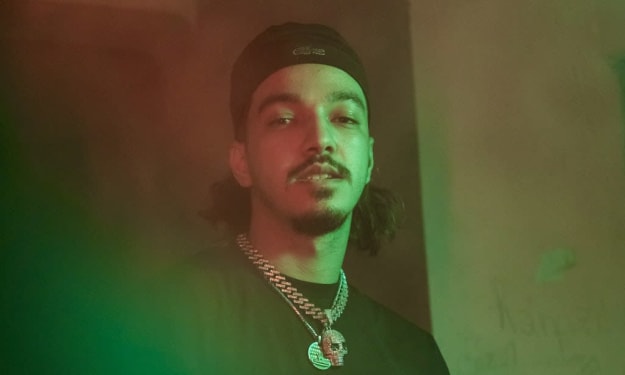
Exclusive Interview with Algerian Rapper ALI D aka FOREALID
“One day we all leave, but we must leave something behind in our name.” – ALI D From the heart of Setif, Algeria, emerges a bold voice with raw energy and unfiltered stories. ALI D, also known as FOREALID, isn’t just another rapper — he’s a storyteller, a dreamer, and a creator building his legacy track by track. Born in 2003, his journey began with scribbled rhymes and big ambitions. Today, he’s making noise beyond the local scene, stepping into the spotlight without losing his roots.
By Internation Art Newsabout a year ago in Interview
Richest Actress in Hollywood 2025
When you think of Hollywood's richest actress, names like Margot Robbie, Scarlett Johansson, or Jennifer Aniston might come to mind. They’re stars of blockbuster movies, appear on red carpets, and live in stunning mansions. But what if we told you the richest actress in 2025 isn’t even working much in Hollywood anymore?
By ibrahim khanabout a year ago in Interview
last of Us star Bella Ramsey in a secret relationship?
Before the cameras rolled and the fandoms followed, they were just two actors chasing truth through storytelling. Isabella "Bella" Ramsey, the award-winning British actor known for roles in Game of Thrones and The Last of Us, has become a powerful voice in Gen Z Hollywood — blending grit, heart, and a quiet defiance of traditional norms. Openly nonbinary and unapologetically honest, Ramsey’s performances are matched only by their real-life advocacy.
By nativeamericannewsacresabout a year ago in Interview
Madison Zhao Wears a Custom Dress at the Milan Gucci Show
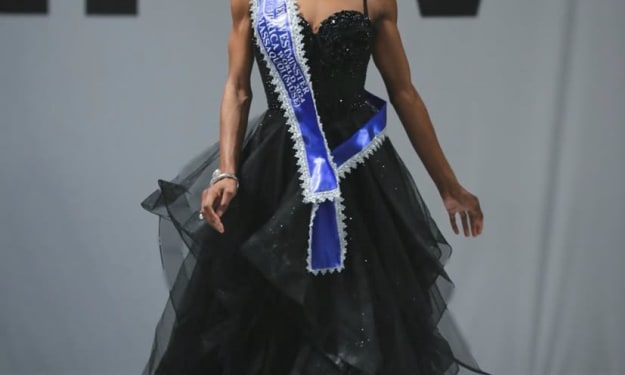
Fashion may speak in trends, but Madison Zhao has always spoken in statements and this time, her words were woven in silk, embroidery, and precision. Making a memorable appearance at the Milan Gucci Show, Madison stepped out in a custom-made ensemble that turned heads not with theatrics, but with thoughtful design and effortless elegance.
By Madison Zhao Fan Pageabout a year ago in Interview
Behind the Spotlight: The Life of a Woman Porn Star
The adult entertainment industry, often viewed through a lens of controversy and curiosity, is a multi-billion dollar global business. While the content it produces is widely consumed, the lives of the individuals—especially women—who perform in adult films are frequently misunderstood, sensationalized, or outright stigmatized. Beyond the screen lies a complex reality marked by ambition, agency, challenges, and resilience. This article explores the nuanced life of a woman porn star—not from a place of judgment or glamorization, but from a perspective of understanding her as a professional, a person, and a public figure navigating one of the world’s most scrutinized industries. --- The Choice to Enter the Industry Contrary to popular belief, many women who enter the adult industry do so by choice, seeking financial independence, creative freedom, or a way to reclaim control over their sexuality. While coercion and exploitation are real issues in some parts of the adult world, there is a growing segment of the industry led by empowered individuals who understand their rights and pursue adult work on their own terms. Take, for instance, the case of Jessica (name changed), a well-known performer in Los Angeles. After working multiple low-wage jobs, she entered the adult industry at 24. “I didn’t see it as selling my body,” she explains. “I saw it as selling a performance, like acting. I had control over what I was willing to do. That mattered to me.” In recent years, platforms like OnlyFans have further shifted the balance of power toward performers, allowing women to set boundaries, monetize their content directly, and build brands around their own identities. This new model appeals to women who prefer autonomy over working for traditional production companies. The Business Side: Not Just Performance Porn may appear simple from the outside, but for many stars, it's a full-time business. Successful performers manage their schedules, branding, social media presence, and financial planning with the same precision as entrepreneurs. “You’re not just shooting a scene,” says adult film actress Chanel Preston in an interview. “You’re managing fan engagement, setting up content, attending conventions, building relationships, handling your taxes. It’s a business.” Agencies, marketing strategies, and even merchandise become part of the package for stars aiming to build longevity in an industry known for high turnover. Some diversify into directing, producing, or running their own studios, allowing them to stay in the industry while moving behind the camera. --- Mental and Physical Realities While the work can be lucrative and empowering, it is also physically and emotionally demanding. Porn stars are required to maintain a strict regimen to meet industry expectations: fitness, grooming, and frequent STI testing. On the mental health side, performers often face burnout, loneliness, and the emotional toll of repeated intimacy with strangers under bright lights and camera crews. “I love what I do,” says Casey Calvert, a performer and director, “but it’s not all glamorous. It’s hard work. Sometimes you're doing 12-hour shoots in uncomfortable positions. And then there’s the psychological side—you have to constantly protect your mental space.” Many in the industry have called for greater mental health support, including counseling services and peer support systems, to help performers cope with stress, criticism, and public scrutiny. --- Relationships and Social Perception Romantic relationships can be complicated. Trust, communication, and open-mindedness are essential for partners of adult film stars, but societal judgment often adds pressure. “Dating is hard,” Jessica admits. “Some guys are okay with it at first, but then jealousy or shame creeps in. Sometimes I don’t even tell people what I do until I really trust them.” Social stigma remains one of the most challenging aspects of life as a porn star. Outside the industry, many face discrimination in everything from banking services to housing and even healthcare. Performers risk being doxxed, harassed online, or ostracized by family and community members. “There’s this assumption that you’re broken, or you must have had a traumatic past,” says Maitland Ward, a mainstream actress-turned-porn star. “But many of us are just professionals who enjoy our work.” --- Advocacy and Changing Narratives Today, more women in porn are speaking out about their experiences, advocating for labor rights, and working to de-stigmatize the profession. They argue that pornography, when ethical and consensual, is a valid form of work deserving of respect and protection. The adult industry still faces major issues, including unregulated platforms, piracy, and unethical producers. But voices from within—especially women—are pushing for transparency, consent, performer safety, and equitable pay. Organizations like the Free Speech Coalition and Pineapple Support offer legal, psychological, and health resources to performers. Meanwhile, feminist pornographers like Erika Lust are redefining what adult content can look like, putting female pleasure, consent, and narrative at the center of their films. --- Life After Porn What happens when the cameras stop rolling? While some stars exit the industry quietly, others transition into advocacy, mainstream media, or entrepreneurship. Sasha Grey moved into acting and DJing, while others like Tasha Reign earned academic degrees and started production companies. Still, the digital permanence of adult content can make life after porn difficult. "Once you're in porn, it never really leaves you," says one retired actress. "People can Google you. Some employers won't hire you. It takes a lot of strength to reinvent yourself." Nevertheless, many women manage to do just that—proving that their identity, intellect, and worth extend far beyond the roles they once played. --- Conclusion The life of a woman porn star is far more complex than the public typically understands. Behind every clip or scene is a person—managing a career, navigating relationships, facing judgment, and striving for agency in a world that is both fascinated with and critical of her work. As society begins to evolve its views on sex work, it is crucial to listen to the stories of those inside the industry. Respect, empathy, and open dialogue are the first steps toward understanding the full humanity of women working in porn—not just as performers, but as professionals and people with dreams, struggles, and voices that matter.
By Dipayan Biswasabout a year ago in Interview
Remembering Cole Brings Plenty: A Family’s Quiet Grief and Enduring. Content Warning. AI-Generated.
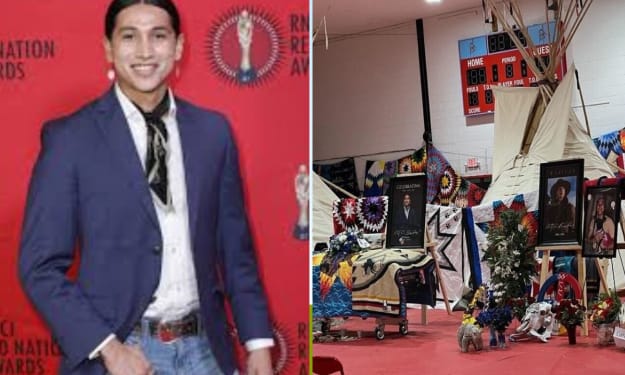
By Staff Writer – Native Voices Network When the news broke of Cole Brings Plenty’s sudden passing, it sent shockwaves not only through the Indigenous entertainment world, but also deeply within his family. Among those mourning his loss is Tahkyah Brings Plenty, a cousin who shared a close and powerful bond with Cole — one built on family, love, and mutual understanding.
By nativeamericannewsacresabout a year ago in Interview
Protests Erupt Nationwide Over ICE Detentions as Tensions Rise in Los Angeles
Los Angeles, CA — Thousands of demonstrators took to the streets of Los Angeles and several other U.S. cities this week to protest against the continued detention of immigrants by U.S. Immigration and Customs Enforcement (ICE). The protests, organized by grassroots coalitions, civil rights groups, and immigrant advocates, have sparked a wave of national attention and reignited the debate over federal immigration enforcement and the militarization of public responses to civil unrest. The unrest in Los Angeles follows a series of high-profile ICE raids and detentions in Southern California communities, some of which involved the arrest of undocumented immigrants with no criminal history. Protesters say the actions are part of a broader, punitive approach to immigration that dehumanizes families and tears communities apart. "We are standing here today for the children separated from their parents, for the families in detention centers, and for those who live in fear every day of being taken from their homes," said Elena Márquez, a community organizer in Boyle Heights, during a rally outside City Hall. “This is not just about immigration. This is about dignity, about human rights, and about the kind of country we want to be.” Escalation in Los Angeles The protests began peacefully early in the week with candlelight vigils, sit-ins, and marches. But by Wednesday evening, tensions escalated between demonstrators and law enforcement near downtown Los Angeles. A standoff outside the Metropolitan Detention Center led to multiple arrests after some protesters allegedly blocked ICE vehicles and refused to disperse. In response to the unrest, California Governor Gavin Newsom confirmed that the National Guard had been placed on alert but emphasized that they would not be deployed to suppress peaceful protest. Despite this, local authorities reported seeing National Guard troops deployed in limited roles on Thursday, primarily in support capacities, including securing federal buildings and coordinating traffic in congested areas. The presence of military personnel, even in a limited role, has raised alarm among civil liberties groups. “This is an unacceptable response to legitimate protest,” said Alicia Grant of the ACLU Southern California. “Bringing in the National Guard only adds fuel to the fire and sends the wrong message—that dissent will be met with intimidation.” White House Response Under Fire President [Name redacted for neutrality] has faced growing criticism over his handling of the protests. In a series of social media posts and press briefings, the President defended ICE operations as “necessary for national security” and called protesters “radical left agitators disrupting law and order.” “Immigration enforcement is not optional—it’s the law,” the President said during a Thursday morning briefing. “We will not allow our cities to be overrun by mobs who think they can stop law enforcement from doing its job.” The administration’s framing of the protests as anti-police and unpatriotic has drawn backlash from a range of political leaders, including several mayors and state officials who argue the President is escalating tensions rather than addressing underlying concerns. “The President is pouring gasoline on a crisis he helped create,” said Los Angeles Mayor Karen Bass in a press statement. “This is not about lawlessness. This is about a moral reckoning with how we treat immigrants in this country.” A Growing Movement Los Angeles is not alone. Protests have erupted in cities across the country, including New York, Chicago, Atlanta, Phoenix, and Austin. Each protest centers on opposition to ICE detention practices, especially those involving long-term holding of asylum seekers, family separations, and reports of substandard conditions inside private immigration facilities. In New York City, hundreds gathered outside the Jacob K. Javits Federal Building, chanting “Abolish ICE” and holding up posters depicting detained children. In Chicago, a silent march was led by interfaith leaders and local school teachers, calling for an end to immigrant detention and greater protections for DACA recipients. These protests have been largely peaceful, though police in some cities have made arrests for civil disobedience, including sit-ins in front of ICE offices and blocking roadways. Organizers have emphasized non-violence and civic engagement, urging protesters to also participate in upcoming local and national elections. A Nation Divided Public opinion on ICE and immigration enforcement remains deeply divided. A recent Pew Research Center survey found that while 54% of Americans disapprove of ICE’s handling of immigration detention, 42% still support strong border enforcement as a priority. Meanwhile, some Republican lawmakers have praised the National Guard deployments and criticized what they see as “soft” responses from local Democratic leaders. “We must maintain law and order. Allowing these protests to become riots and block ICE from carrying out lawful orders is not acceptable,” said Senator Tom Greene (R-TX). “The National Guard should be used when necessary to ensure public safety.” Democrats, however, argue that militarized responses to peaceful protests infringe on First Amendment rights and distract from the real issue: the ethics and effectiveness of ICE’s detention and deportation system. What Comes Next? As the protests continue, immigration activists are calling for specific policy changes, including: The immediate halt to family separation and indefinite detention The closure of for-profit immigrant detention centers Pathways to citizenship for DACA recipients and long-term undocumented residents Greater oversight and accountability for ICE operations There is also a growing push to redirect federal funding away from immigration enforcement and toward community-based support services for asylum seekers and refugees. “We want safety,” said Luis Ramirez, a DACA recipient and youth leader at the Los Angeles protest. “But real safety comes from belonging, from opportunity, from justice—not from walls, guns, and cages.” Conclusion The protests against ICE detentions have become more than just an outcry against a single agency—they are emblematic of a wider reckoning with America’s immigration system, policing culture, and democratic values. As National Guard troops stand by and tensions rise between local and federal authorities, the nation faces a critical question: How should a democracy respond when its people ring the bell of protest—not with violence, but with voices? For now, the streets of Los Angeles and cities across the country continue to echo with that very question, awaiting a response. Let me know if you'd like this article tailored for a specific outlet or edited into a shorter version for press release or social media sharing.
By Dipayan Biswasabout a year ago in Interview
Taraji P. Henson on Healing, Hollywood, and Giving Voice to the Voiceless
You ever have one of those moments where you’re scrolling through your phone, half-distracted, and then something stops you dead in your tracks? That’s what happened to me when I caught Taraji P. Henson on The Breakfast Club recently. She walked into that studio, all fire and grace, and dropped truth bombs that hit like a fastball to the heart. I mean, here’s a woman who’s been in the game for decades, stealing scenes in Baby Boy, owning Empire as Cookie Lyon, and now carrying Straw on Netflix with a performance that’s raw, real, and gut-wrenching. But what got me wasn’t just her resume-it was her honesty about life, healing, and the weight of being a Black woman in Hollywood. So, let’s talk about it.
By KWAO LEARNER WINFREDabout a year ago in Interview
From Shadows to Spotlight
Hello, Vocal family! This post is long overdue, and I want to reintroduce myself. I’ve had this account for four years, quietly sharing my thoughts and ideas while mostly observing from the sidelines. It’s time to step out of the shadows and properly introduce myself. Reflecting on my past writings, I've yet to share my personal story, the essence of who I am, and the driving force behind my actions. Whether you're a new supporter or have been with me for a while, I’m thrilled to connect with you.
By Musulyn M (MUSE)about a year ago in Interview