
Suriya Khabibullina on Procurement, Ukraine, and Wartime Leadership
How did Suriya Khabibullina’s scientific training and multinational leadership shape her views on procurement, wartime resilience, and Ukraine’s existential struggle?


Suriya Khabibullina is a Ukraine-based management consultant, executive coach, tutor, and sales, procurement and marketing specialist. Trained originally in chemistry, she moved from academic science into multinational business after the Soviet collapse, rising through Gillette, Procter & Gamble, Japan Tobacco International, Ernst & Young, and Korn Ferry. She has taught strategic marketing and business negotiation through Edinburgh Business School and commercial negotiation through CIPS programs, bringing practical leadership, supply-chain resilience, and wartime experience to her teaching and advisory work in Ukraine.
Scott Douglas Jacobsen interviews Suriya Khabibullina about her path from chemistry to multinational leadership, strategic marketing, procurement, and executive coaching. Khabibullina explains how science shaped her management logic, how stakeholder-led project design improved implementation, and how procurement became crucial during Russia’s full-scale invasion. She reflects on Zelenskyy’s wartime communication, Russian imperial attitudes toward Ukrainians,Tatars and other nations, cultural contempt, and why she views Ukraine’s struggle as existential rather than territorial, for freedom, identity, dignity, sovereignty, and democratic survival.
Scott Douglas Jacobsen: You have 20 years of experience in multinational companies, including Gillette, Procter & Gamble in Eastern Europe, and Japan Tobacco International. Was that your original life plan?
Suriya Khabibullina: No. My original plan was to become an academic in chemistry. I worked for the Academy of Sciences. Then the Soviet Union collapsed, we lost our jobs, there was no pay, and I started working as a tourist guide.
At the same time, I saw an advertisement in a newspaper, an actual paper newspaper, saying that Procter & Gamble was hiring sales representatives. At the age of 30, I became a sales representative. It was funny because I received a car, which was unbelievable at that time. To have a car! It was a Peugeot 309, and it was an interesting job.
Then I progressed very quickly because I had a second qualification as an English translator. My main field was chemistry, but my second qualification was translation. I moved into director-level roles very quickly.
Jacobsen: Do you think you made the right choice in moving from chemistry into this field?
Khabibullina: Certainly, I did. But chemistry gave me that touch, you know? Chemistry and the natural sciences give you a framework, a very clear framework, an algorithm.
In my career, I changed assignments three times, but that is normal practice in multinational companies. I was a national sales training manager when we were hiring many people very quickly and needed to set up operations. So the company moved me into a sales capability building position. Over three years, you do not only teach people; you also create new projects in capability building, performance improvement, and cross-functional interaction.
When I was a member of the project team for a new go-to-market strategy, they moved me back into a director position, back into the business. So, you know, it is a very viable practice: people develop something, and then they implement it.
Jacobsen: Yes, and it is also the skills you gain from different things, even very disparate things, that only reveal their value once you go through them. They end up strengthening the path you are on. You would not have predicted it at the time.
Khabibullina: Absolutely. There is an observation in project management consultancy that many projects fail because the team that develops the project does not include the people who then need to work with it.
So, in our companies, both Gillette / Procter & Gamble and JTI, we used the reverse approach. We brought together all stakeholders from the very beginning and worked as an agile team. We created a minimum viable product, put it in place, collected feedback, and maintained a very high level of interaction.
As part of a multinational team, I participated in multinational projects, such as building a new go-to-market strategy. We worked together in London, where Gillette’s regional team was based, and then in Geneva after the Procter & Gamble acquisition. The same team collaboration was in building a new route-to-market strategy in JTI in Geneva. So it was very broad experience, and it gave me a wide network.
Jacobsen: Does that experience and network help when a war happens? Does it help you bring resources together and support people?
Khabibullina: Certainly, it does. It also helps with adaptation to new cultures. I am very flexible in that sense. I have experience working in different cultural contexts.
As a coach, I support people. Elena Sabry does the same; she is also a career coach. We help people with onboarding, choosing the right position, and deciding where to work.
Gillette/Procter & Gamble and JTI gave me the opportunity to be a procurement leader, a sales& marketing leader, and a strategic manager. That gave me a wide portfolio of practical examples.
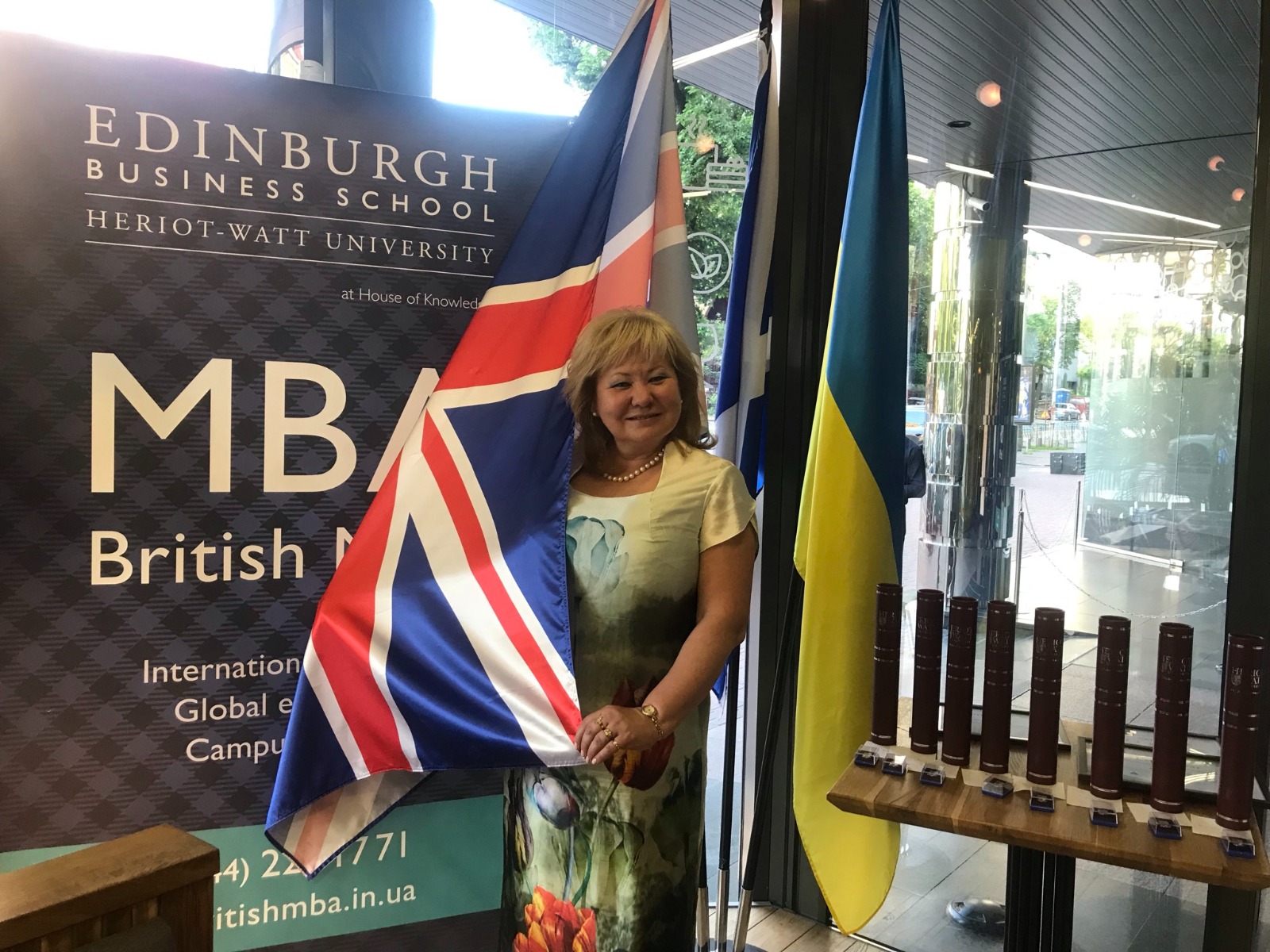
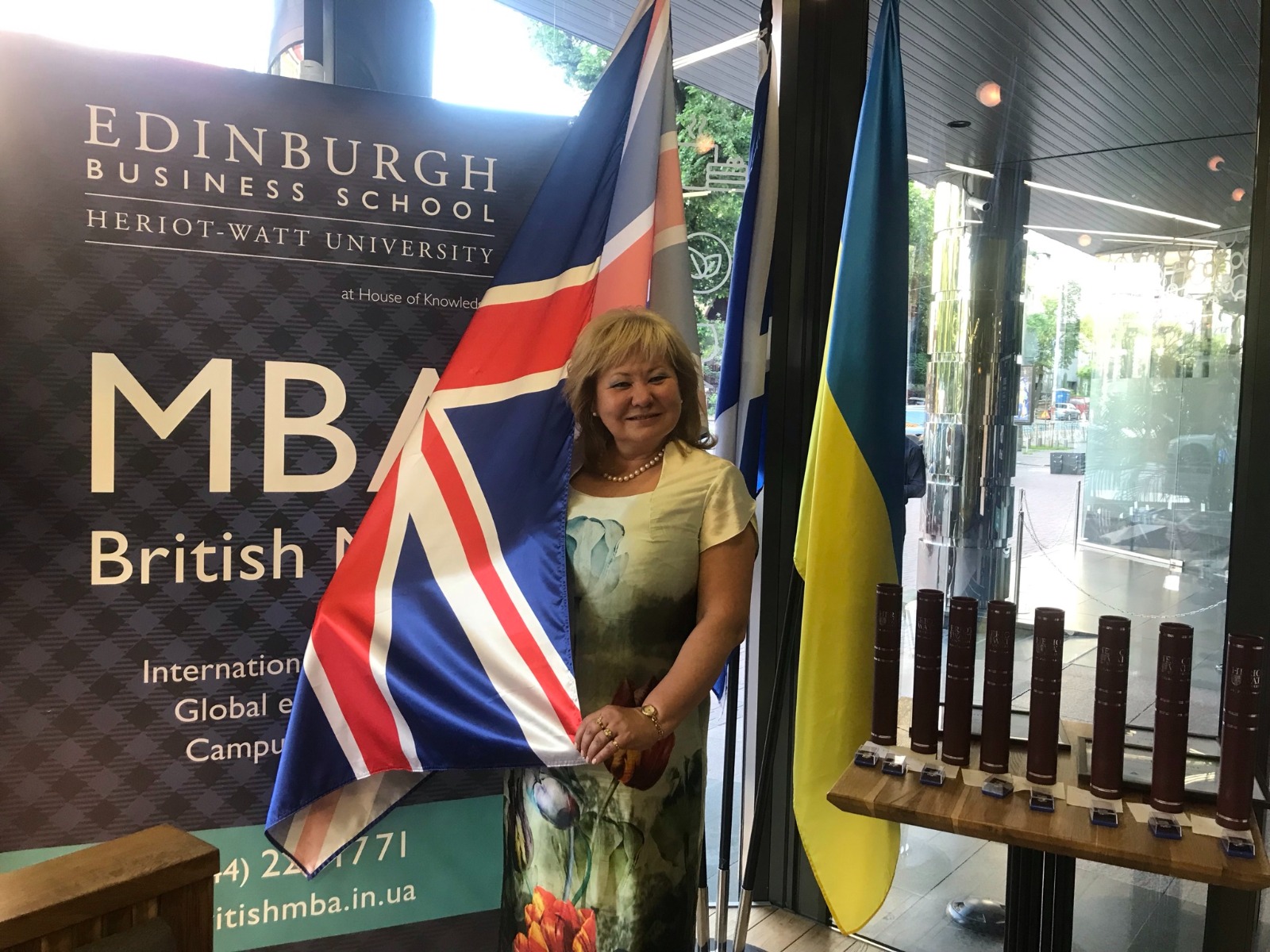
So, when I teach strategic marketing and business negotiation at Edinburgh Business School, I do not only teach theory. I give examples from different areas. It is the same now, as I write a handbook for procurement excellence in Kyiv School of Economics.
Jacobsen: As an aside, what are the key principles of procurement?
Khabibullina: Now, one of the key principles is to move from being a transaction administrator to becoming a strategic adviser for the organization.
Our military situation shows the importance of the value chain and procurement. As a procurement team, we were really on the front line in supporting resilience.
In the first days, there was no transportation. The biggest problem for us was ensuring continuity of supply. There were situations in which transport providers simply shut down operations because it was too risky.
Petrol was a problem. Even the food supply was a major problem. But we showed that, as a procurement team, we made a real contribution, a significant contribution, to the first victories.
For me, the first day was the main challenge. When the missiles started, you did not know what to do or where to run. Then, in the evening, when Hostomel was under attack, for me, our great struggle really began with Hostomel, on February 24, 2022. It was a very interesting, multifaceted experience.
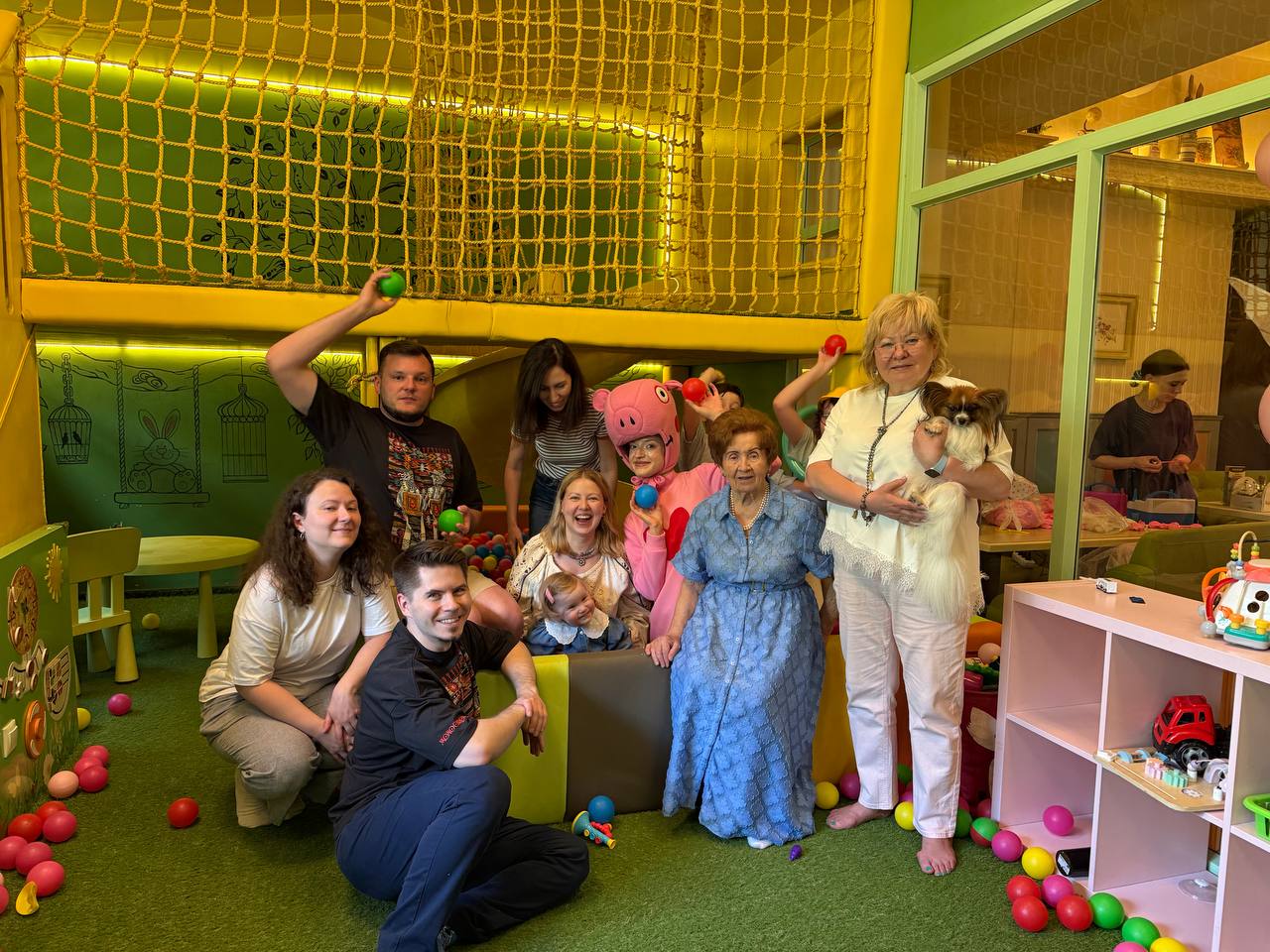
Even under these circumstances, Ukrainian small and medium-sized businesses have shown resilience. Creative agencies continue to operate and organize children’s celebrations. My daughter, son-in-law, and granddaughter were coming from Reston, Virginia, for two weeks beginning May 29, 2026, and we were planning to celebrate my granddaughter Olivia Maria’s second birthday.

For me, that continuation of ordinary family and business life is also part of Ukrainian resilience.
The same resilience can be seen in how people react to massive shelling. Life does not simply stop. People continue working, supporting one another, organizing procurement, caring for their families, and rebuilding routines around extraordinary conditions.
I worked as a contractor for Ernst & Young in advisory. I worked as a contractor for Korn Ferry. In general, my portfolio is very rich, and I have worked with large companies such as Nestlé, Visa, Agroprosperis, and Vodafone.
Jacobsen: What was your opinion of Zelenskyy at the start? What was your opinion afterward?
Khabibullina: I did not have a good opinion of him. I did not vote for him. But now I fully support him and support what he is doing. I think he helped save us because of his talent for organizing people and communicating.
I analyze this as a marketing person. Many of the messages he sent to different parliaments were customized. When he spoke to Jewish and Israeli audiences, he touched on their history, pain, and concerns. When he spoke to Canadians, he spoke not only about Ukraine, but also about what we have in common.
He consolidated different nations to help us, not only to help Ukraine, but to fight for freedom.
So many people in Western countries simply do not understand what actually happened. They think it would be better to give up some territory or accept a ceasefire, but this war is existential.
This has been happening for centuries, at least 300 years, in my view. Russia and its imperial predecessors repeatedly tried to destroy Ukrainian identity.
Jacobsen: What have the methods been over those centuries?
Khabibullina: Repression, the Holodomor, the killing of Ukrainian scientists, poets, and intellectuals, and then the suppression of our language. At school, we learned Russian language, Russian culture, and Russian literature, with very little Ukrainian education.
There was also a very arrogant attitude, not only toward Ukrainians, but toward many peoples. As a Tatar, in Tatarstan, in Kazan, I heard the expression, “These Tatars need to be washed.”
Jacobsen: What does that mean, “Washed”?
Khabibullina: As if we were dirty and needed to be made Russian. There was also poverty and envy, but culture played a role, too.
Jacobsen: Are you talking about the post-Soviet period?
Khabibullina: No. Before that, too. For a long time. It was based, in part, on cultural differences. For example, have you heard of snokhachestvo?
Jacobsen: No.
Khabibullina: It refers to a practice in some patriarchal extended households in the Russian Empire, where a father-in-law had sexual relations with his daughter-in-law, often while the son was absent or too young. These were large family households: father, son, grandchildren, everyone together. In my view, those living arrangements shaped behaviour.
Ukrainians had a different pattern. When young people married, they usually lived on their own. Families could help each other, but the young couple lived in a separate house.
So, there was a major difference. Of course, I think it influenced behaviour. The cultural difference is very large. It is the same for us as Tatars: we have a completely different culture from Russians.
These are historical and cultural patterns as I understand and interpret them.
Jacobsen: Are you referring to Crimean Tatars?
Khabibullina: No, Kazan Tatars. I am from Kazan, in Russia.
So, why did Russian soldiers steal our toilets, washing machines, and electrical appliances? Imagine: they stole electric kettles without the bases and then put them on gas stoves. It was unbelievable.
Maybe you saw the pictures in March and April 2022, when Russian soldiers left handwriting on the walls: “Ukrainians, who allowed you to live so well?”
Jacobsen: So the sentiment was, in another way of phrasing it, “How dare you?”
Khabibullina: Exactly. I can give you an example from my past of this imperial arrogance. In 1996, our Gillette office was in Saint Petersburg. One day, I arrived at headquarters and met a woman from deep, deep Siberia. She was wearing a grey blouse that was supposed to be white, and she had an old-fashioned hairstyle with curlers, like a babushka. She said, “Is it not so bad in Ukraine?”
I asked, “What do you mean?”
She said, “But you raise pigs, you know?”
So I said, “Listen, Ukrainians raise pigs because they are hedonists. They like to eat well, not because everything is so bad.” Can you imagine how they interpreted the facts in such a negative way?
At all Braun conferences, they ignored our team and the teams from the other republics.
Jacobsen: In conferences? Just business conferences?
Khabibullina: Yes. We had annual conferences for Braun across the former Soviet Union. The presentations were only about Russian achievements. There was nothing about Ukraine, Georgia, or the Baltic states. Never.
Then, one day in 2007, we had a conference in Germany. We were staying in Wiesbaden, and we had a riverboat trip and a gala dinner in an old castle. My colleague in marketing asked for ten minutes in the presentation just to thank our Ukrainian partners.
You cannot imagine what happened in the ballroom. The Russians started shouting that the Ukrainians had decided to show up again, for the first time in many years.
Another interesting example was in 2008. I was leading a digitalization project, a kind of CRM project. It used a simple tablet, where a sales representative in Novosibirsk could see the journey plan, the stores he had to visit, and the objectives he needed to achieve in Auchan, in national stores, or in local stores.
My pilot area was Novosibirsk, with the kickoff in Moscow. In August, we gathered the key users and explained how the system worked. But I saw that they were behaving very badly. They did not listen. They did not participate.
So I stopped and asked, “Why are you not participating in the explanation?”
They said, “We are so brave. We entered Georgia.”
They were happy reading the news that Russia had invaded Georgia in August 2008. I said, “Listen, Andrei, you are from Novosibirsk. What harm did these Georgians do to you? Why are you so happy?”
There was no answer. They could not answer. From my perspective, they were simply happy to destroy something, to kill somebody, and they were not able to explain why.
Jacobsen: Does schadenfreude come to mind? It is a German word meaning pleasure at another person’s pain. Is that part of what was going on?
Khabibullina: I read a polemical explanation from the Russian writer Dmitry Bykov. He is a journalist, poet, writer, and literary critic. He said that Russians have roots among cannibals in the far north. In those northern areas, there were cannibals who not only ate their victims, but made them suffer first. I am referring here to Bykov’s polemical explanation.
The problem is that many nations simply tolerate all of this. They close their eyes and think, “Let us keep the peace.” But that only reinforces this behaviour. As psychologists say, it is positive reinforcement.
They have very bad nicknames for many nations: for Ukrainians, khokhly; for Europe, Gayropa; for Americans, pindos; and for the Baltic peoples, Priyebalty, often said dismissively.
Jacobsen: Yes, I have heard of Gayropa. Among a certain crowd, I can imagine why they would think these terms are funny. I used to work in pubs; I understand that kind of humour. But I do not see it as healthy. What does pindos mean?
Khabibullina: It is a derogatory Russian slang term for Americans.
Jacobsen: I see. So Gayropa is a homophobic portmanteau of “gay” and “Europe,” and pindos is anti-American slang. As a side comment, I am aware of the extreme anti-LGBTQ+ position of the Russian Federation as a state, especially the language around so-called “LGBT propaganda.” Within that framework, movements for representation and equality are treated not as people asking for equal rights, but as propaganda. So terms like Gayropa and pindos seem to reflect part of that wider state and cultural rhetoric.
Khabibullina: I saw a publication from a fairly well-known source, although I do not remember which one and would need to check it. It made speculative claims about Putin’s sexuality and about a relationship with a high-ranking figure connected to the Olympic movement and the Sochi Games.
Jacobsen: That sounds more like speculation than established fact.
Khabibullina: Perhaps. I cannot establish those claims as fact, and I do not remember the source. But my point is about double standards: publicly, they condemn something, while privately, reality may be more complicated.
Jacobsen: Yes. There have been studies related to this, actually. I will not go into the details too much, but they are quite interesting. In one small 1996 study, researchers measured men’s physiological arousal while showing them homoerotic imagery and also measured their levels of homophobia. They found a correlation, not proof of causation, suggesting that men with stronger homophobic attitudes were more likely to show physiological arousal to male homosexual imagery below the level of conscious admission. It is not universally true as a stereotype, but there is some evidence of a trend.
Khabibullina: In 2014, one of my former colleagues from my Gillette years, someone I had known since 1996, I recall, wrote on Facebook: “Ukrainians are Russians who have turned into animals and must be 100% destroyed.” This was someone from the Procter & Gamble and Gillette environment. So what can we say about the rest of society?
Jacobsen: Where was the headquarters where he or she worked?
Khabibullina: Moscow. This was Moscow, Gillette. For me, it was a big surprise because I thought that, if you work for a multinational company, you should be more tolerant.
Jacobsen: Thank you very much for the opportunity and your time, Suriya.
Scott Douglas Jacobsen is a blogger on Vocal with more than 200 publications on the platform. He is the Founder and Publisher of In-Sight Publishing (ISBN: 978–1–0692343; 978–1–0673505) and Editor-in-Chief of In-Sight: Interviews (ISSN: 2369–6885). He writes for International Policy Digest (ISSN: 2332–9416), The Humanist (Print: ISSN, 0018–7399; Online: ISSN, 2163–3576), Basic Income Earth Network (UK Registered Charity 1177066), Humanist Perspectives (ISSN: 1719–6337), A Further Inquiry (SubStack), Vocal, Medium, The Good Men Project, The New Enlightenment Project, The Washington Outsider, rabble.ca, and other media. His bibliography index can be found via the Jacobsen Bank at In-Sight Publishing, comprising more than 10,000 articles, interviews, and republications across more than 200 outlets. He has served in national and international leadership roles within humanist and media organizations, held several academic fellowships, and currently serves on several boards. He is a member in good standing in numerous media organizations, including the Canadian Association of Journalists, PEN Canada (CRA: 88916 2541 RR0001), Reporters Without Borders (SIREN: 343 684 221/SIRET: 343 684 221 00041/EIN: 20–0708028), and others.
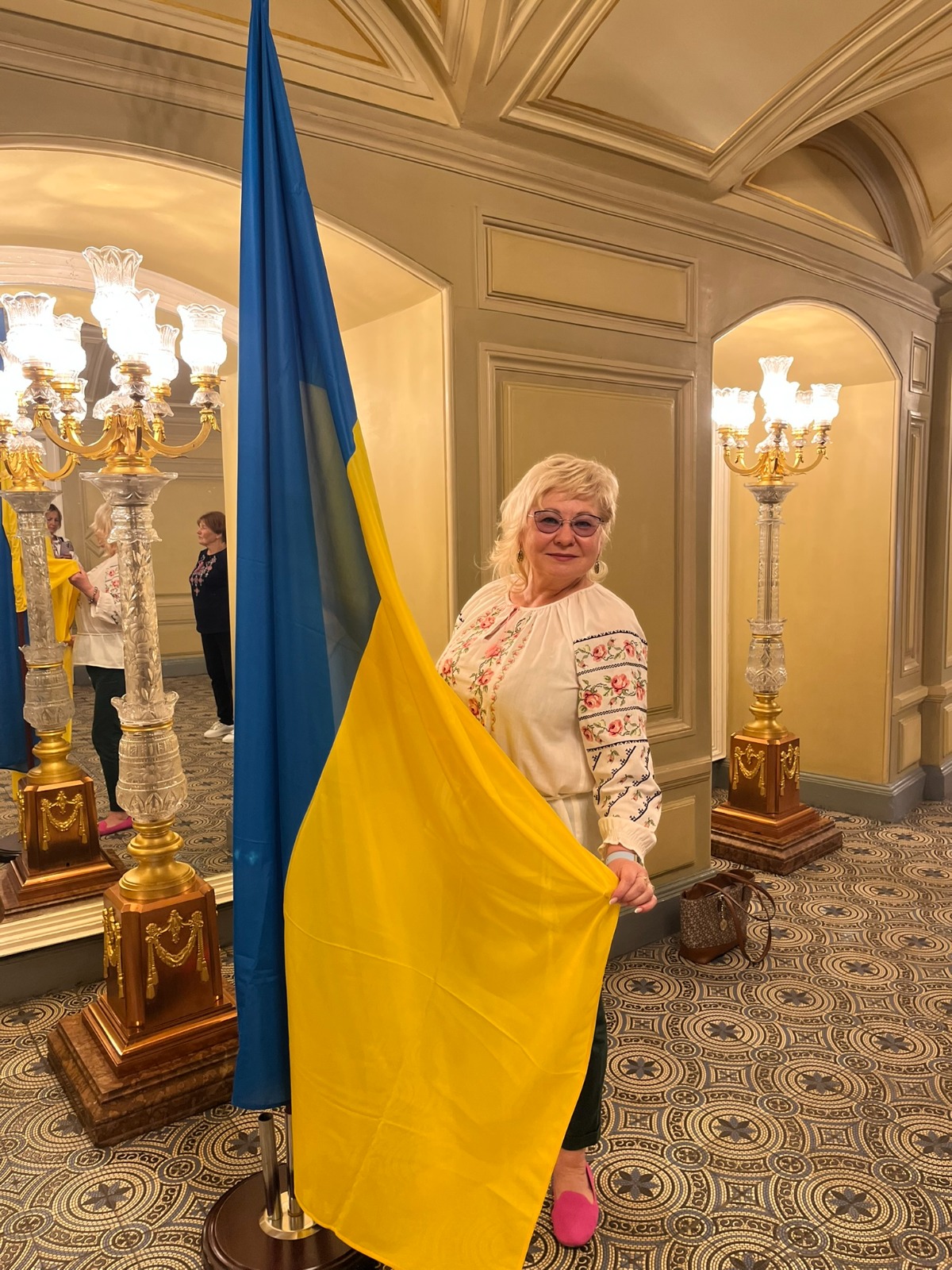
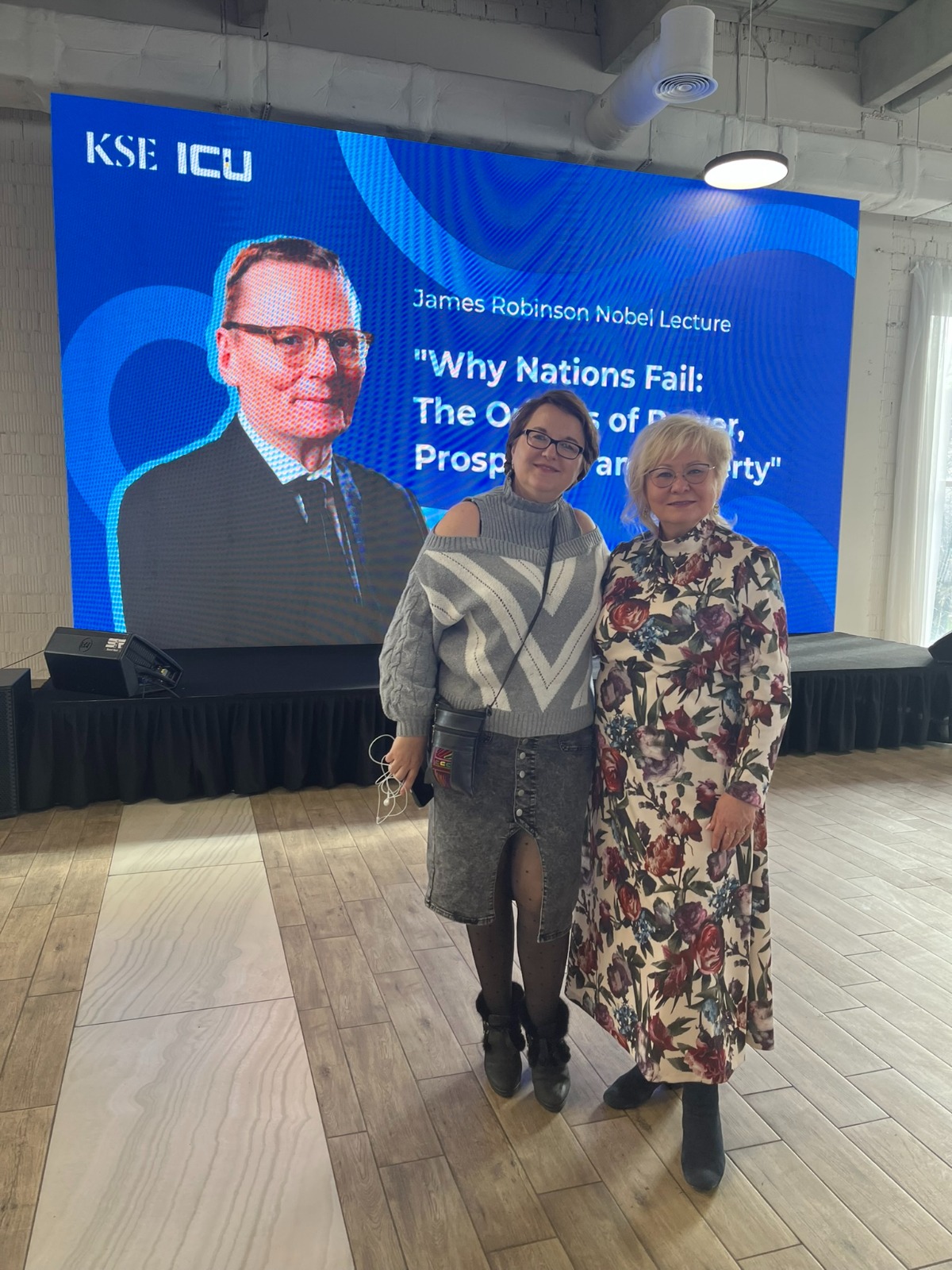
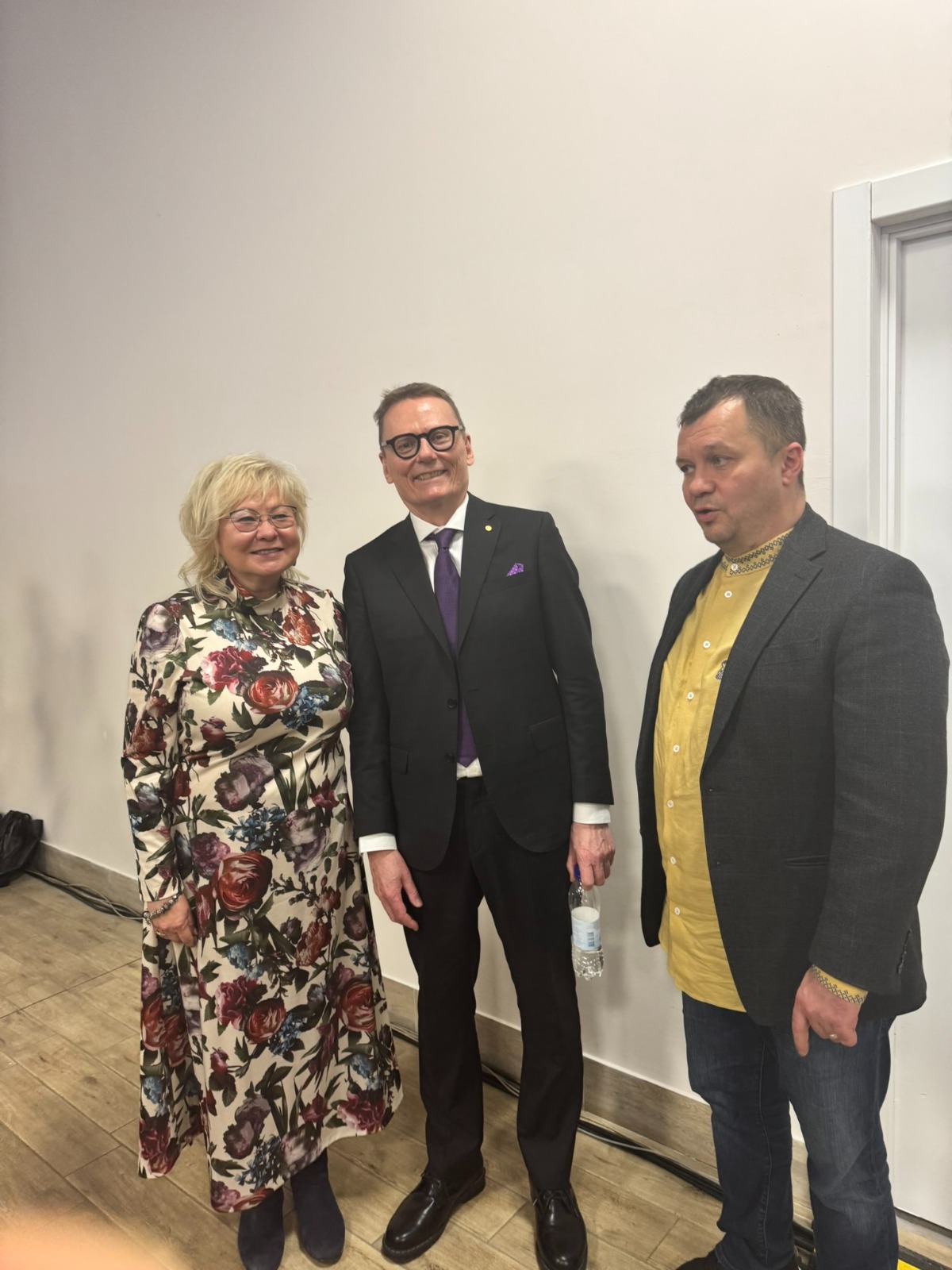
Image Credit: Suriya Khabibullina.
About the Creator
Scott Douglas Jacobsen
Scott Douglas Jacobsen is the publisher of In-Sight Publishing (ISBN: 978-1-0692343) and Editor-in-Chief of In-Sight: Interviews (ISSN: 2369-6885). He is a member in good standing of numerous media organizations.
Enjoyed the story? Support the Creator.
Subscribe for free to receive all their stories in your feed.
Comments
There are no comments for this story
Be the first to respond and start the conversation.