
Alpha Innovative Solutions and the Mission to Transform How First Responders Handle Autism: Interview with Christopher Diaz
Interview with Chris Diaz (retired DEA agent) on his work with Alpha Innovative Solutions with the focus of making first responsords more aware of autism.

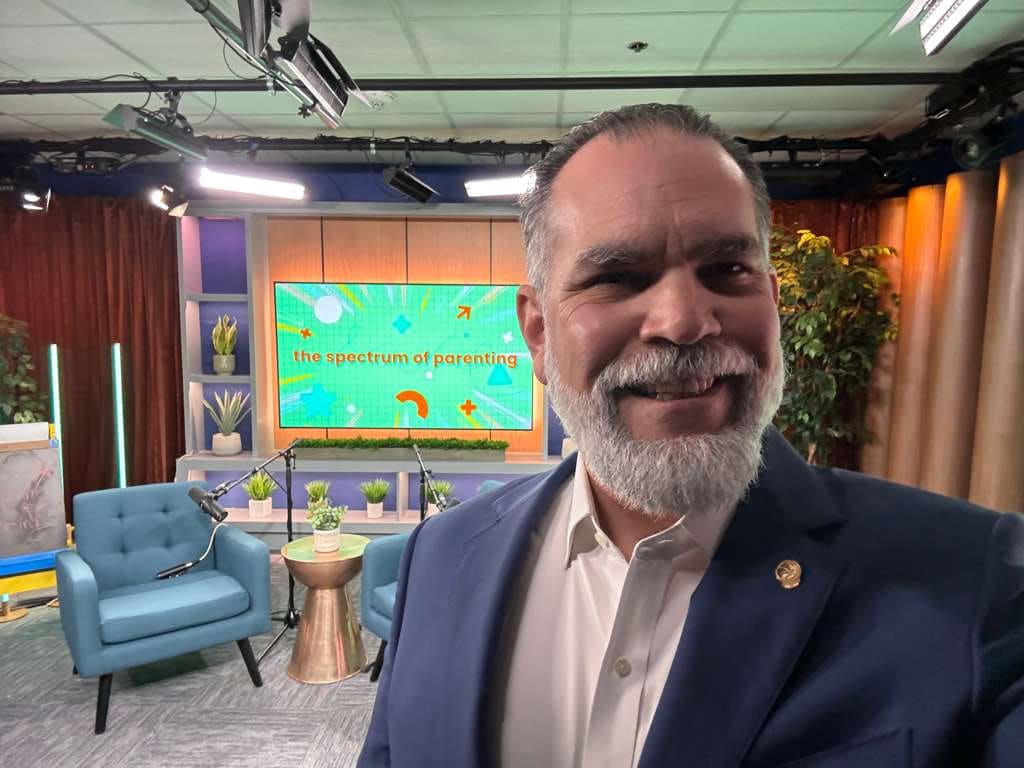
The call came in like any other. Officers responded to a report of a child found walking alone near a roadway. When they arrived, they found a young boy, avoiding eye contact, not responding to questions. The responding officer, trained to identify threats and gather information quickly, saw a child who wouldn't cooperate. What he didn't see was a child who was terrified, overwhelmed, and unable to process the commands being thrown at him.
The interaction escalated. Nobody wanted that. Nobody planned for that. But it happened anyway, because somewhere between the training and the moment, the officer didn't have the framework he needed to recognize what he was actually dealing with.
That scenario plays out across the country every single day. And Christopher Diaz has made it his mission to change it.
Chris Diaz has dedicated his life to service. First as a law enforcement officer for 27 years, including 22 years as a DEA Special Agent working complex criminal investigations and international undercover operations. Now as an advocate, educator, and mentor through Alpha Innovative Solutions.
"My son Alejandro is non-verbal and autistic," Diaz says. "And raising him gave me a completely different perspective on human behavior, communication, and compassion."
“For more than 27 years, I served in law enforcement, including 22 years as a DEA Special Agent working complex criminal investigations and, at times, in an international undercover capacity both domestically and internationally. Those experiences taught me the importance of leadership, communication, and making sound decisions under pressure."
But it was what happened at home that would ultimately redirect his path.
"At the same time, my greatest education came at home. My son Alejandro is non-verbal and autistic, and raising him has given me a completely different perspective on human behavior, communication, and compassion."
Two Identities, One Mission
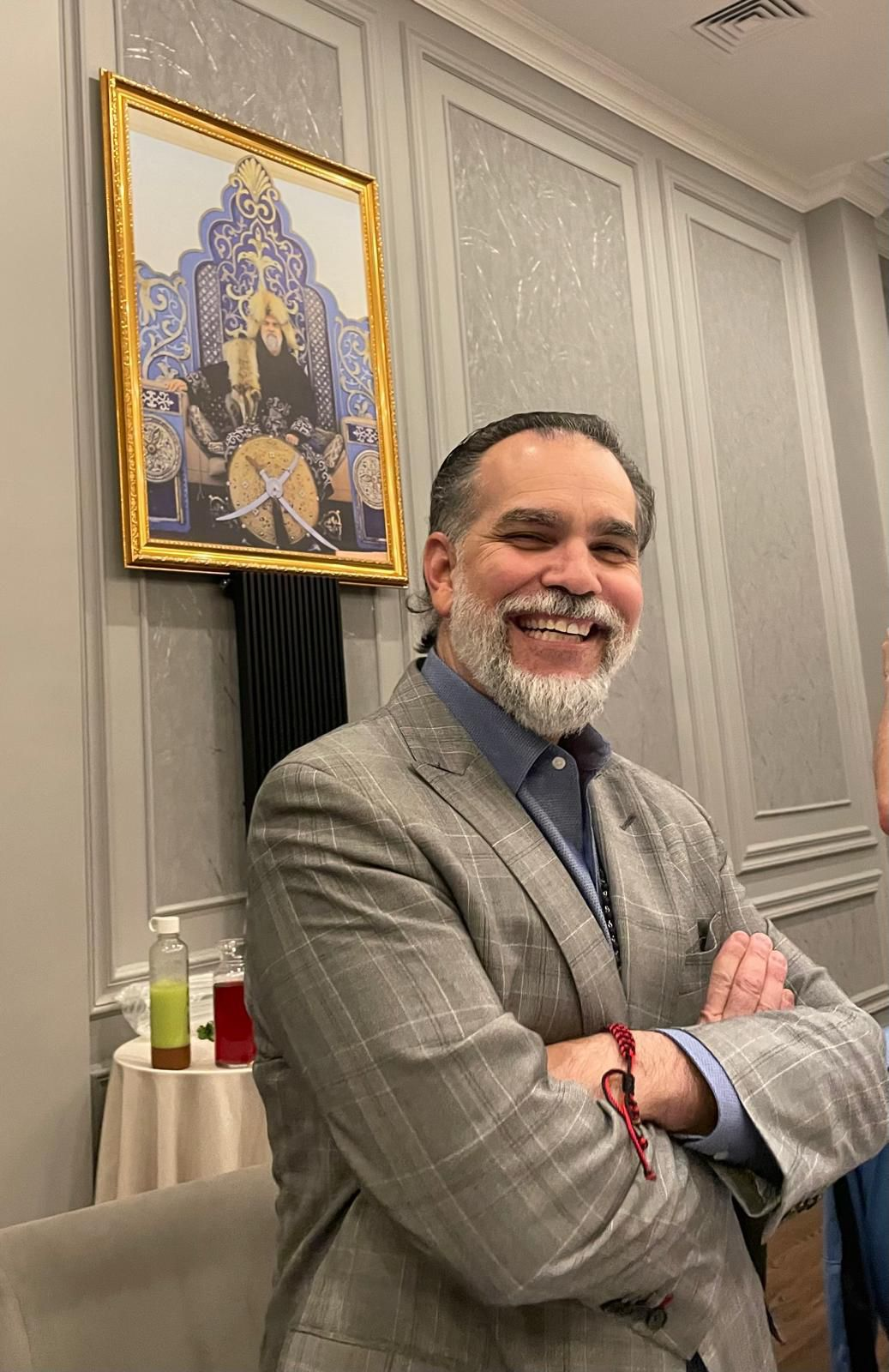
Diaz describes himself as both a law enforcement veteran and a parent of a non-verbal child with autism. Those two identities, he says, constantly inform one another in ways that have shaped everything he's done since leaving the DEA.
"Law enforcement taught me how critical communication and situational awareness are. Parenting my son taught me that communication doesn't always look or sound the way people expect. A lack of eye contact, delayed responses, repetitive movements, sensory overload, or difficulty following commands can easily be mistaken for noncompliance by someone who doesn't understand autism."
Because I lived in both worlds, I can translate between them.
"I understand the pressures first responders face, but I also understand the perspective of families who worry about how their loved one will be perceived during an emergency. My goal is to bridge that gap and create safer, more effective interactions for everyone involved."
The SMIP Protocol: A Framework for the Field
At the heart of Diaz's training program is the SMIP Protocol, a communication framework that was cultivated by the University of Houston-Clear Lake, that stands for Safety Questions, Movement Instructions, Imitation ("Do This"), and Physical Guidance.
"I credit the University of Houston-Clear Lake's research on Behavioral Skills Training for providing the foundation of this methodology," Diaz explains. "The SMIP Protocol adapts those evidence-based communication and behavioral principles into a practical framework that police officers, firefighters, EMS personnel, and dispatchers can easily remember and apply in the field."
The protocol is not a diagnostic tool. Rather, it is a communication and rapport-building tool that helps first responders determine how an individual best receives and processes information during an emergency.
Let me walk through how it works in that scenario I described earlier.
"The responder begins with Safety Questions to assess communication abilities and determine immediate concerns. If verbal communication is unsuccessful, the responder progresses to Movement Instructions, such as, 'Come over here,' or, 'Please sit down.' If that is unsuccessful, the responder moves to Imitation Instructions by demonstrating the desired action and encouraging the child to copy it. Only when necessary and appropriate does the responder consider Physical Guidance."
At its core, SMIP is built around four key principles: rapport building, allowing time for cognitive processing, providing praise and positive reinforcement, and knowing when to step back and re-engage.
"From my experience as both a law enforcement professional and the father of a non-verbal son with autism, these are principles I can personally stand behind because I have seen them work in both my professional and personal life."
Why Two Seconds Change Everything
Chris Diaz often speaks about the two seconds his son needs to process information. That detail, seemingly small, has become central to his entire approach to training.
"Many autistic individuals need additional time to process information, especially during stressful situations," Diaz explains. "By allowing pauses between questions and instructions, responders can better assess communication abilities rather than mistaking a processing delay for noncompliance."
Throughout the interaction, Diaz teaches responders to use praise to reduce anxiety, build trust, and encourage engagement. If the individual is experiencing sensory overload or a behavioral meltdown, responders create space, allow approximately one minute for de-escalation, and then attempt to re-engage when the person is better able to process information.
Ultimately, SMIP gives police officers, firefighters, EMS personnel, and dispatchers a simple framework to assess communication, reduce misunderstandings, and create safer outcomes for everyone involved. It helps responders distinguish between noncompliance and a communication barrier, something that can completely change the outcome of an encounter.
Why All First Responders Need This Training
When I ask Diaz why firefighters and EMTs need autism training just as much as police officers, his answer is immediate.
"Because emergencies don't begin and end with police officers."
"A firefighter responding to a house fire, an EMT treating an injured patient, a dispatcher receiving a 911 call, or a paramedic entering a chaotic medical scene may all encounter someone with autism and their caregiver may be incapacitated or not in a position to help."
The sensory environment of an emergency scene, Diaz explains, can be particularly overwhelming for autistic individuals.
"Many autistic individuals experience sensory sensitivities, communication challenges, anxiety, or difficulty processing unexpected changes. Sirens, flashing lights, crowds, and loud commands can dramatically increase stress during an emergency. If first responders don't understand those factors, the situation can unintentionally escalate."
The goal isn't special treatment for anyone. It's information to best address a critical situation in the moment. Understanding autism helps responders achieve better outcomes while still accomplishing their mission.
What Changes After Training
One of the most encouraging outcomes Diaz has observed is increased confidence and a greater willingness to adapt response strategies when interacting with individuals who may be on the autism spectrum.
"Before training, many first responders tell me they feel uncertain about how to recognize autism-related behaviors or how to adjust their communication approach during an encounter. After training, participants consistently report a better understanding of autism, improved communication strategies, and a clearer framework for responding appropriately."
More importantly, Diaz has seen departments begin incorporating concepts from the training into their operational practices.
"While working with the Harris County Sheriff's Office Academy, training staff incorporated the concept of allowing additional time for cognitive processing into their practical training exercises. Rather than expecting an immediate response, recruits are taught to pause and allow individuals time to process questions and instructions before moving forward."
"I've also been advised that following training sessions with the Cypress Creek Fire Department, discussions began with their 911 communications personnel regarding ways to improve data collection and identification of individuals who may be on the autism spectrum. The goal is to provide responding personnel with better information before they arrive on scene, allowing them to tailor their communication and response strategies from the very beginning."
But perhaps the most meaningful measure of success happens after the training ends.
"I often have attendees approach me to share personal stories about their own children, grandchildren, nieces, nephews, or friends who are on the autism spectrum. Many tell me that the training helped them better understand behaviors they had witnessed for years but never fully understood. Knowing that the information can improve not only their professional interactions but also their personal relationships is one of the most gratifying parts of teaching this course."
Responders leave with a practical framework they can immediately apply, becoming more observant, more patient, and more intentional in their interactions. That often leads to reduced escalation, improved communication, and stronger community trust.
Beyond Autism: The Broader Mission
Diaz's company, Alpha Innovative Solutions (AIS), offers more than just autism training. I ask him to elaborate on the full scope of what AIS does.
"AIS was built around a simple principle: helping people solve complex human problems through better communication, leadership, and decision-making."
"Our autism and first responder training remains a cornerstone of what we do, but we also provide law enforcement mentorship and leadership development programs. Having served in local law enforcement and the DEA for more than two decades, I enjoy helping younger officers navigate the challenges of the profession, develop critical thinking skills, and prepare for leadership roles."
"In the corporate environment, we provide consulting focused on leadership, crisis management, communication, and decision-making under pressure. Many of the lessons learned in high-risk law enforcement operations apply directly to business environments where leaders must make critical decisions with incomplete information."
While these projects may appear different on the surface, they all share a common theme: helping organizations solve problems, improve performance, and make informed decisions through effective leadership, communication, and strategic planning.
"Most recently, AIS entered into an agreement to assist West Coast Batteries, a company based in Coronado, California, with expanding its presence into the Texas market. That effort focuses on helping large fleet operators, municipalities, and commercial clients identify reliable battery solutions, improve equipment readiness, and promote transparency and accountability within the battery and power management industry."
The Vision for What's Next
When I ask Diaz where he sees AIS in five years, his answer reflects both ambition and restraint.
"In five years, I want AIS to be recognized as a trusted national resource for autism awareness, first responder education, leadership development, and professional mentoring."
"My vision is to expand our autism training programs throughout the United States and make them available to law enforcement agencies, fire departments, EMS organizations, schools, hospitals, and private-sector partners. I also want to continue developing online learning platforms and certification programs that allow organizations of all sizes to access high-quality training regardless of budget or location."
Beyond training, Diaz hopes AIS can play a role in advancing public policy and public safety standards.
"I am particularly interested in working with legislators and stakeholders in Texas to explore minimum safety standards and best practices for interactions involving individuals with autism, intellectual and developmental disabilities, Alzheimer's disease, and dementia. Everyone deserves to be protected, and meaningful protection begins with education, accountability, and consistent standards."
My years in law enforcement taught me that good outcomes are rarely the result of good intentions alone. They come from training, preparation, and clearly defined standards that people can follow under stress.
"Success isn't measured simply by the number of people trained," Diaz says. "It's measured by safer interactions, better outcomes, stronger communities, and families who feel that their loved ones are understood rather than misunderstood
For Diaz, the measure of success isn't found in awards or recognition. It's found in the quiet moments.
"If I can make interactions safer, improve understanding, and help people feel seen and respected, then I consider that a success."
As both a retired law enforcement professional and the father of a non-verbal son with autism, I understand those concerns on a personal level. If AIS can help create that kind of lasting change, through education, advocacy, training, and leadership, then I believe we will have achieved our mission.
Advice for First Responders
Before you leave, I ask Diaz what advice he would give to first responders who want to be better prepared for encounters with autistic individuals.
Slow down. That is the simplest and hardest advice I can give.
The question is not just "Is this person being noncompliant?" It is "Am I giving this person the time and space they need to process what I'm saying?" The answer determines everything.
Notice the delay before responding. Notice the lack of eye contact. Notice the repetitive movements. These are not signs of defiance. They are signs of a nervous system that is overwhelmed and needs time.
Ask yourself: What need is this person meeting beyond the communication one? What would help them feel safe enough to engage?
And remember: The goal is never special treatment. The goal is effective communication. When we understand how people process information, we become better at communicating with everyone.
About Christopher Diaz:
Christopher Diaz is a retired DEA Special Agent with 27 years of law enforcement experience, including 22 years in international undercover operations. He is the founder of Alpha Innovative Solutions (AIS), a company dedicated to autism awareness training for first responders, law enforcement mentorship, and professional consulting services. Diaz is also a keynote speaker and subject matter expert in crime and undercover operations.
Hear his full story on the Game of Crimes podcast with Steve Murphy: Ep 246 Part 1 | Ep 246 Part 2
About the Creator
Laurens Tijssen
Helping Entrepreneurs Achieve Strategic Power.
Published over 400+ Articles.
I wrote articles for client on Forbes, USA Today, Rolling Stone, Business Insider, Reuters and other leading publications.
Enjoyed the story? Support the Creator.
Subscribe for free to receive all their stories in your feed.
Comments
There are no comments for this story
Be the first to respond and start the conversation.