

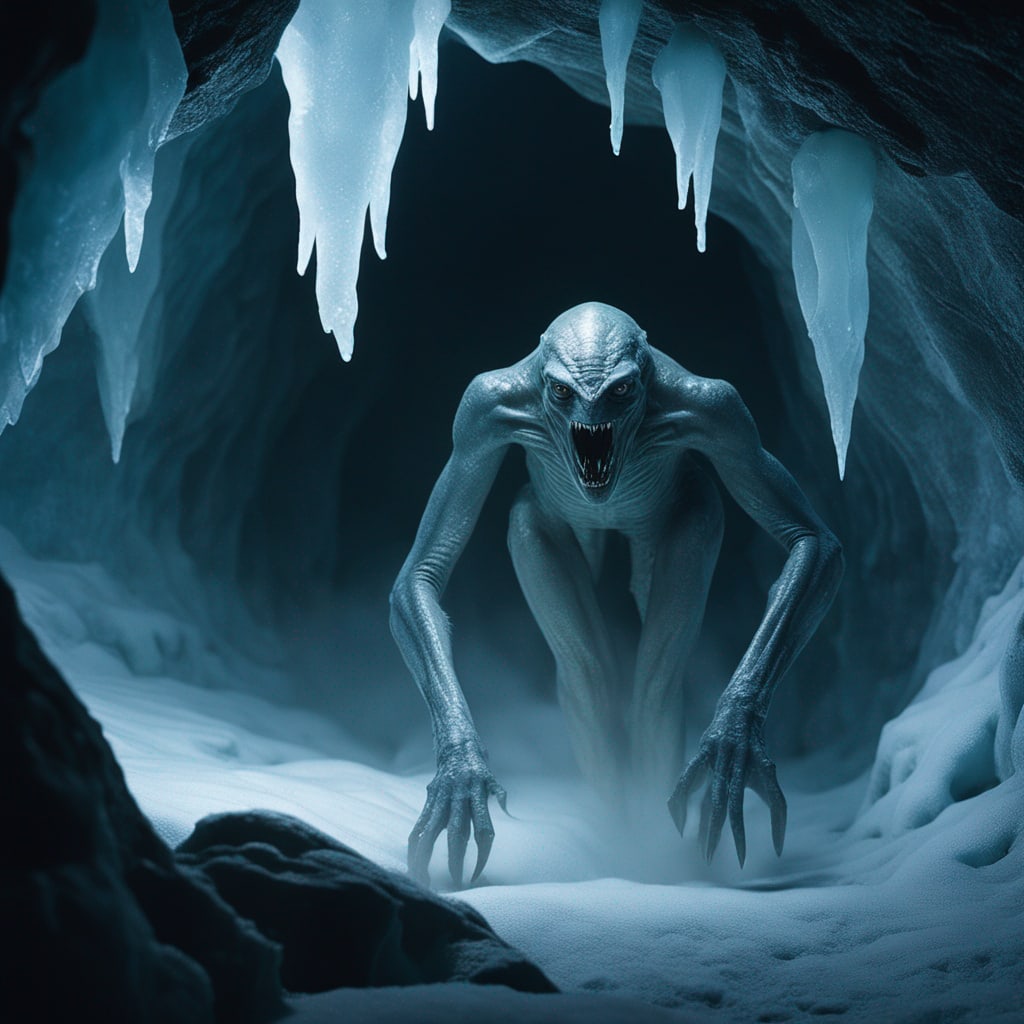
Exploring the Mysteries of Antarctica
Imagine yourself as a daring sea captain in the year 1840, navigating the vast expanse of the South Pacific. You stumble upon a colossal wall of ice—an impenetrable barrier stretching as far as the eye can see. No matter how far you sail, you circle back to where you began. It's a daunting sight, reminiscent of legends of a flat Earth, yet any seasoned captain would know that the Earth is round. Antarctica, though not the end of the world, is a formidable frontier, often considered a new world unto itself.
Antarctica is a land of extremes—an endless, desolate landscape, home to 60% of the Earth's fresh water, locked in an ice sheet averaging over 2,000 meters thick. It’s larger than most realize, dwarfing Australia and covering vast regions of North America. This frozen continent is not just a harsh climate; it’s also incredibly isolated, with the nearest inhabited land more than a thousand miles away.
The Unique Environment
Antarctica is one of the driest places on Earth and the windiest, with fierce katabatic winds that can reach speeds of 80 knots. Under the ice, scientists have discovered more than 400 subglacial lakes, some of which are over three kilometers deep. One of the most intriguing is Lake Vostok, a massive body of water kept liquid by geothermal vents beneath the ice. Isolated for 15 million years, it harbors mysteries of life yet to be fully understood.
The human desire to explore such a remote and inhospitable environment is powerful. Early 20th-century expeditions, driven by ambition and curiosity, led to tragic tales, most notably those of Robert Falcon Scott. His relentless pursuit to reach the South Pole culminated in tragedy when he discovered that Norwegian explorer Roald Amundsen had beaten him to the pole.
The Race to the South Pole
Scott’s expeditions, marked by both scientific discovery and personal ambition, reflect the spirit of the "heroic age" of exploration. Although he achieved remarkable geographical discoveries, his rivalry with Shackleton and the consequences of his decisions ultimately led to his demise. In contrast, Shackleton’s expeditions, while not focused on reaching the pole, prioritized crew safety, cementing his legacy as a captain who valued humanity over glory.
After these early explorers, technology improved, allowing for more discoveries in Antarctica. One significant finding was the presence of unique microbial life in extremely saline environments like Deep Lake. These organisms thrive in conditions thought uninhabitable, showcasing nature's resilience.
The Wonders of Antarctica
In addition to its extreme conditions, Antarctica is home to bizarre phenomena. The Taylor Glacier features Blood Falls, where iron-rich water seeps through ice, oxidizing and staining the landscape red. Meanwhile, the Ross Ice Shelf, comparable in size to France, produces seismic tones caused by winds creating vibrations on its surface.
Antarctica's mysteries continue to captivate scientists and explorers alike. Its isolated ecosystems and extreme conditions offer insights into life on Earth and the potential for life elsewhere in the universe. As we delve deeper into the mysteries of this icy continent, we uncover not just the secrets of its past but also the resilience of life in its harshest forms. The quest for knowledge in Antarctica is far from over, inviting future explorers to unravel its enigmas. Antarctica is indeed a land of fascinating anomalies and mysteries. The gravity anomaly you mentioned, potentially caused by a giant impact crater, is intriguing. If confirmed, it could offer significant insights into the continent's geological history and even the breakup of Gondwana.
The discovery of the massive polynya (the "hole" the size of Ireland) and the processes that create it also reflect how climate dynamics in Antarctica can be surprising. The underwater currents and interactions between warm and cold water play a crucial role in shaping the ice landscape.
The mysterious lifeboat and the tales of organisms like "Organism 46b" illustrate how myths and stories can arise in the face of the unknown. While these stories may capture the imagination, many have been debunked or explained through more scientific means, such as the reality of the Soviet whaling fleet.
As for the theories about ancient civilizations and Nazi bases, while these ideas make for compelling narratives, they often lack substantial evidence and tend to blend fact with speculation.
The ongoing research in Antarctica, including the discovery of microbial life in Lake Vostok and studies on climate change, highlights the continent's importance for science. Each of these areas opens up new avenues for understanding our planet's past and future.
About the Creator
Brian Munene
I bring the best mystery stories.
Enjoyed the story? Support the Creator.
Subscribe for free to receive all their stories in your feed.
Comments
There are no comments for this story
Be the first to respond and start the conversation.