

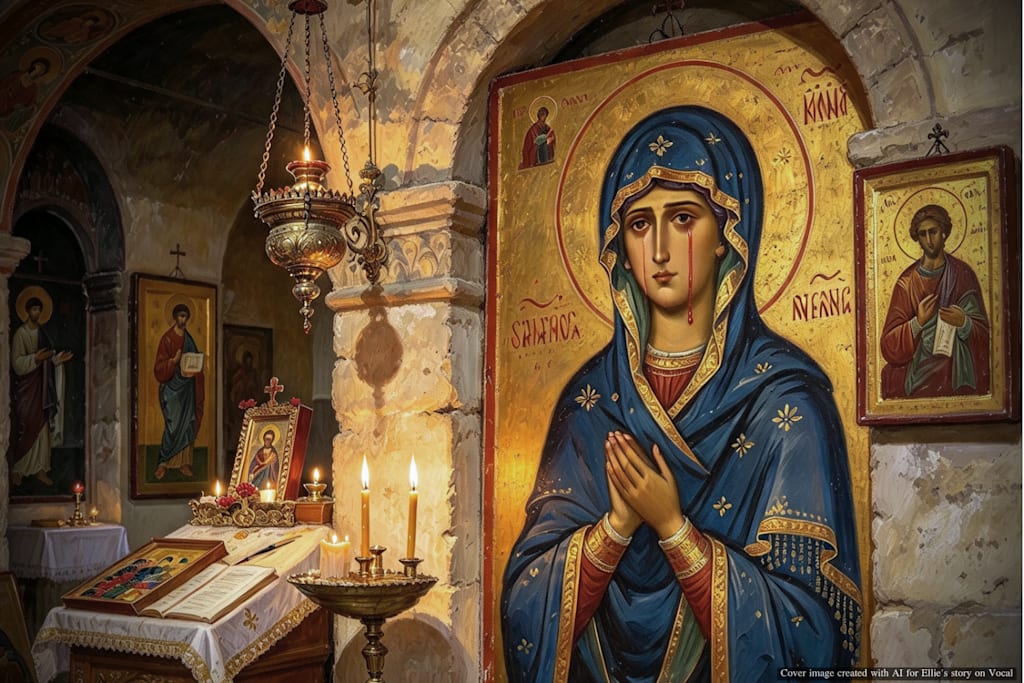
When Faith Never Sleeps in the Dark
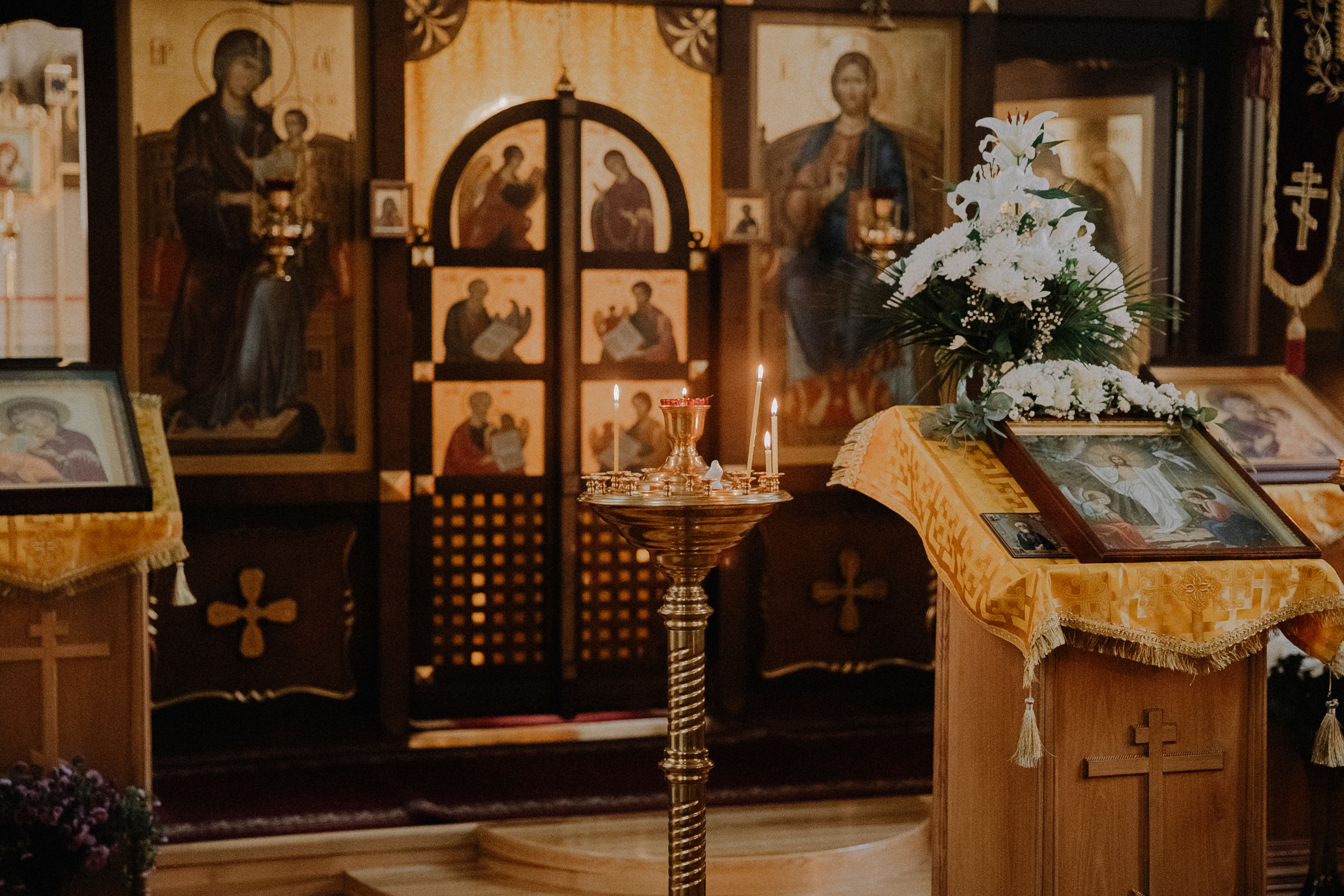
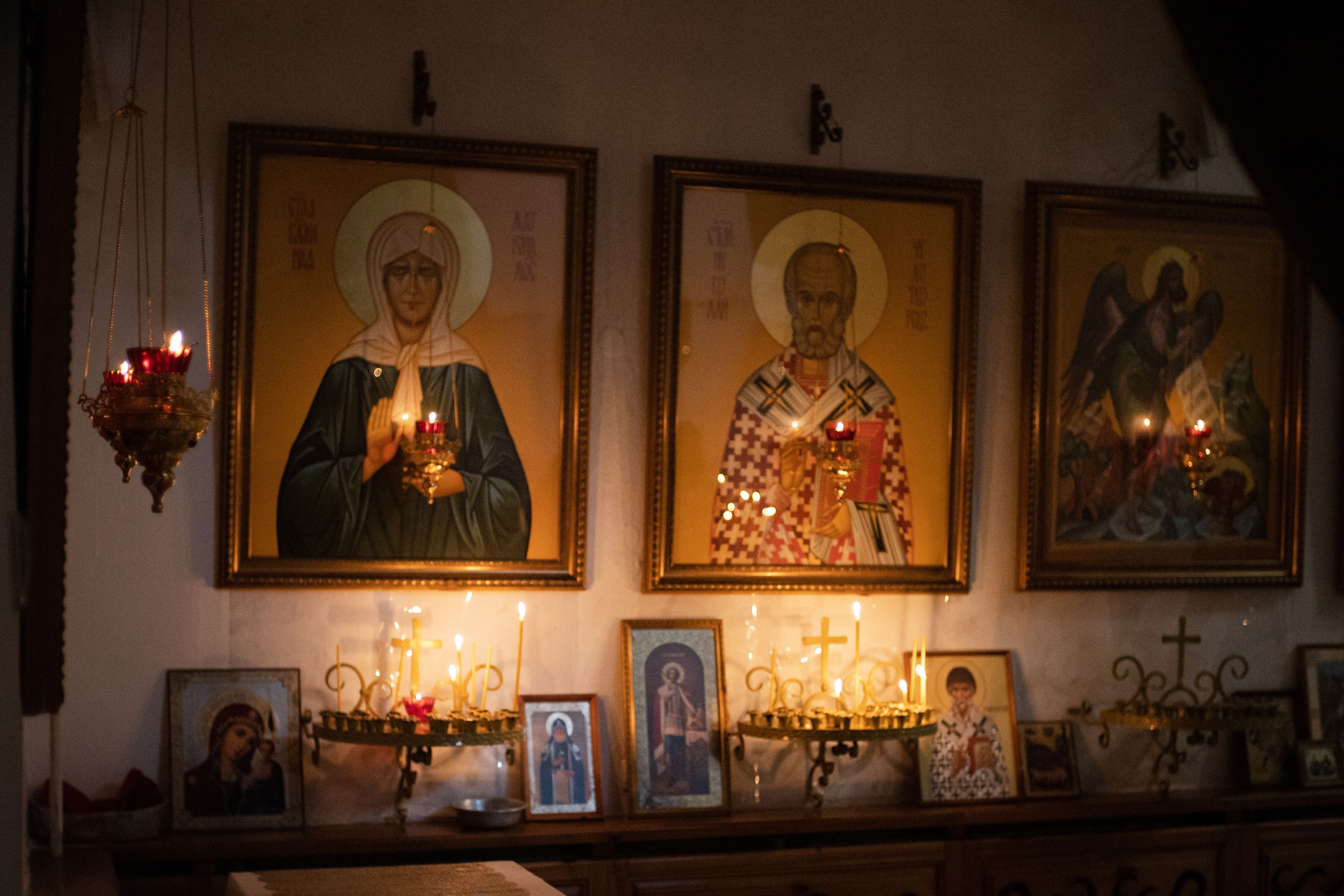
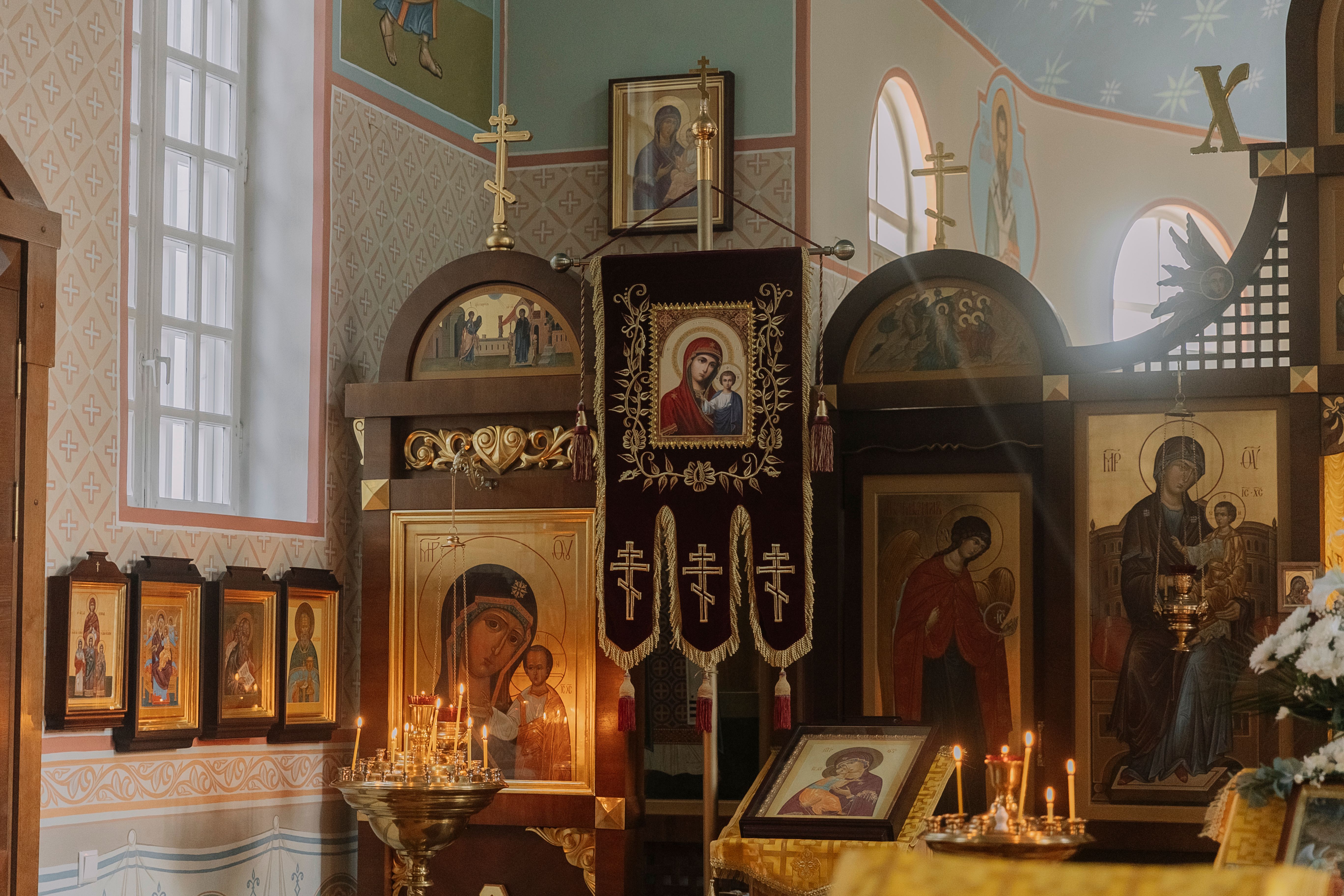
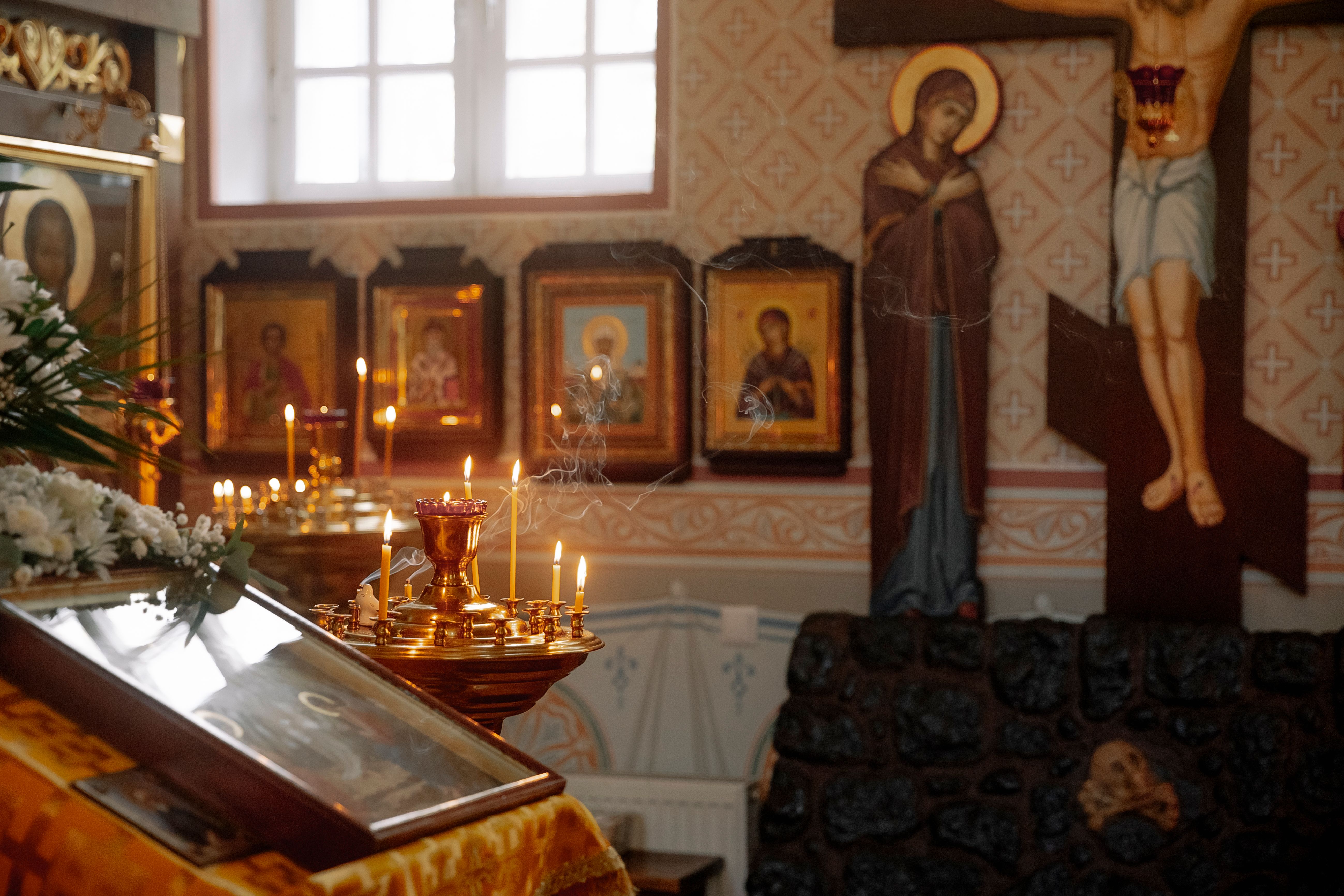
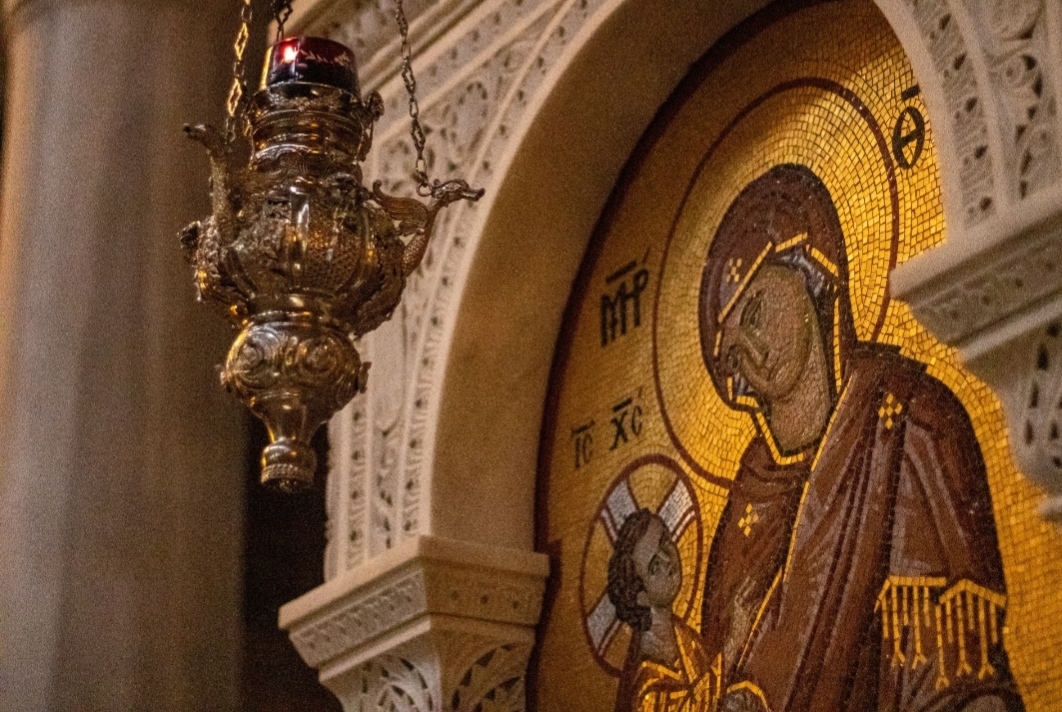
Step inside an Eastern Orthodox church in Russia, Greece, Ukraine, or across the Balkans, and the first sensation to meet you is rarely the bright grandeur of a Western cathedral. Instead, you are met by dim light heavy with incense, warm beeswax candles flickering before the iconostasis, and low polyphonic chants echoing down from high domes like whispers from deep time.
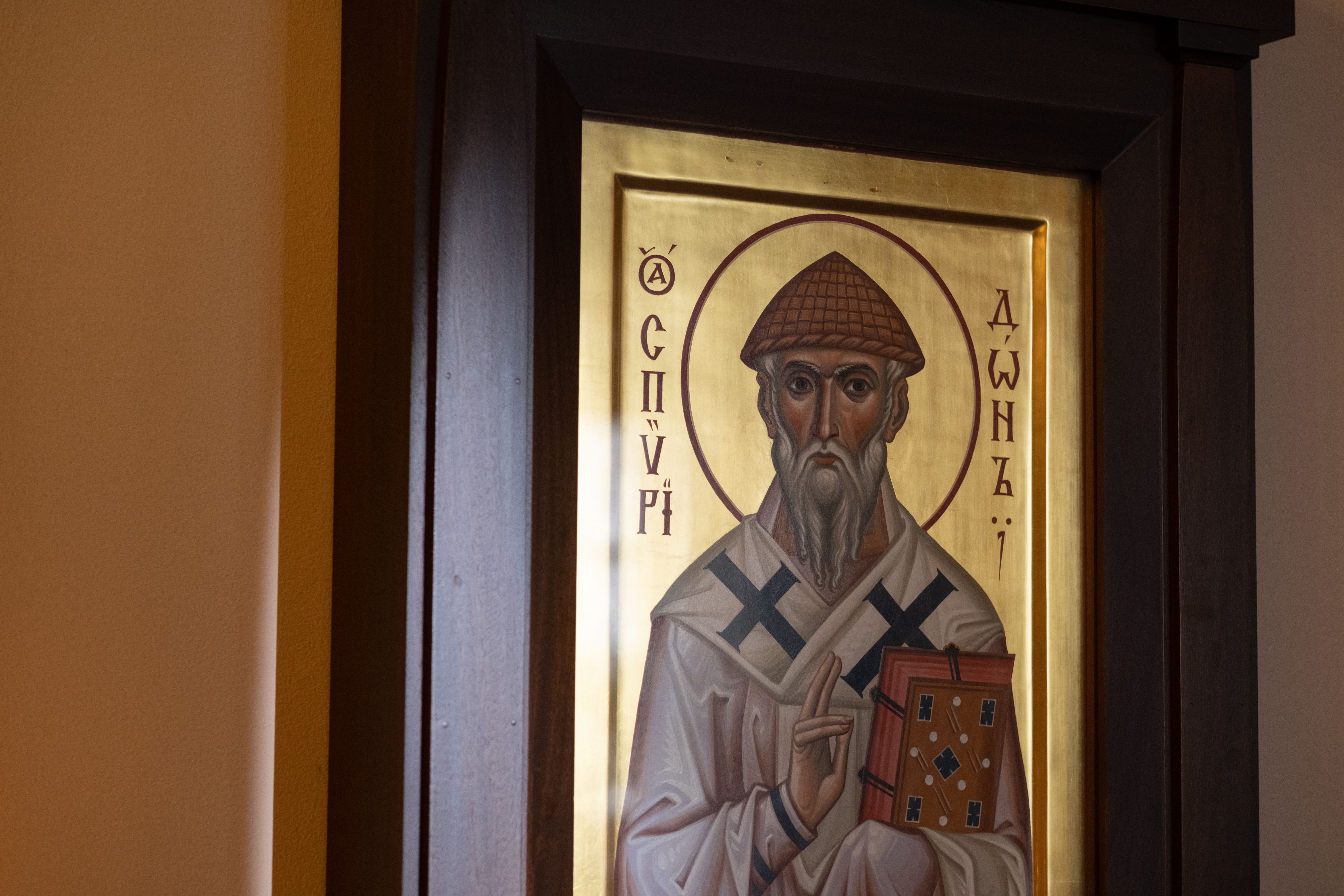
In that half-light, your eyes are drawn toward walls and altars hung with painted wooden panels framed in chased silver or gold. These are icons.
To an outsider, an icon may look like stylized Byzantine religious art—stiff lines, wide eyes, and impassive faces. To Orthodox believers, however, an icon is far more than a painting of the Theotokos (Mother of God) or the saints made to jog memory. It is a "spiritual window," a threshold where mortals look toward the divine—and where the divine gazes back into the mortal world.
Yet what happens when eyes painted in mineral pigment on old wood begin to glisten with tears?
For over a millennium, across church records, local chronicles, and whispered memories in multiple Orthodox lands, accounts of weeping icons have recurred again and again. At times, believers greet them with joyful tears and hymns of thanksgiving as signs of grace. At other times—especially when history stands on the brink of disaster—a sacred image shedding tears, fragrant oil, or crimson fluid resembling blood is read as a chilling warning and an omen of approaching ruin.
This is not invention spun out of a horror writer's imagination. It is lived belief, recorded history, and dread rooted deep in the spiritual memory of the Orthodox world from past eras to the present day.
The Anatomy of the Sacred: Why Icons Feel Alive
To understand why a weeping painting can shake nerves and stir dread across Orthodox communities, it helps to look at how traditional icons are made and revered.
In Orthodox tradition, painting an icon is not treated as ordinary self-expression; it is called "writing" an icon. Iconographers—often monks or devout laypeople—traditionally prepare through fasting, prayer, and spiritual discipline. Materials are chosen with care: seasoned hardwood such as pine or birch prepared with natural glue and gesso, pigments ground from minerals and earth mixed with egg tempera and white wine, and real gold leaf symbolizing eternal light.
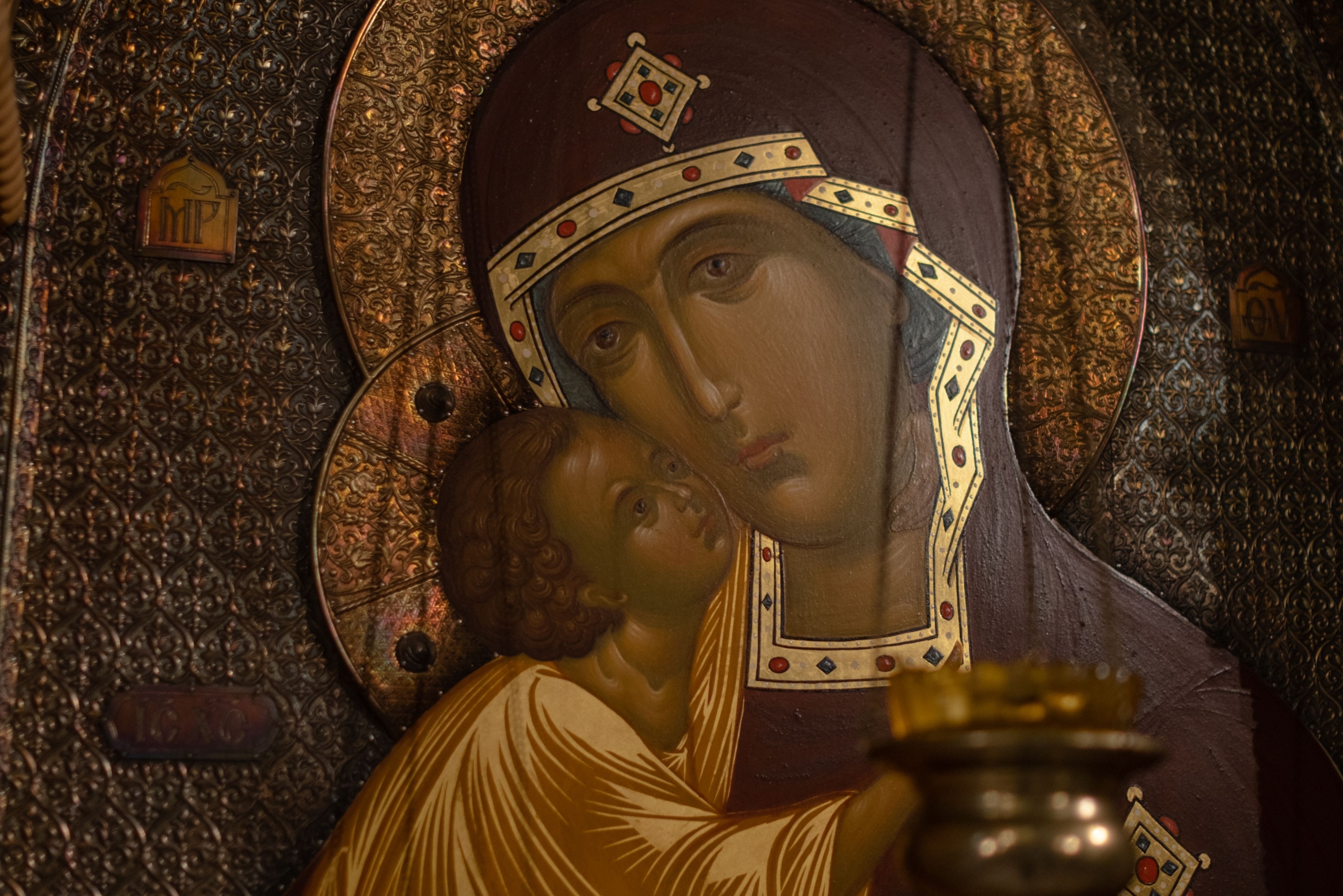
Many icons are also covered in a riza—an embossed metal cover of silver or gilt metal that leaves only the face and hands exposed.
Picture that scene inside a dim church at night. A few candles catch the silver relief, while a darkened face peers through the cutout. Painted with reverse perspective, the eyes often seem to follow you as you shift across the room.
In Orthodox piety, once an icon is blessed and venerated across generations by countless faithful, it is no longer just wood and pigment. It becomes a vessel associated with grace and spiritual presence. When something unusual happens on that painted face, people do not easily brush it aside.
Tears, Myrrh, and Blood: Two Sides of Wonder and Dread
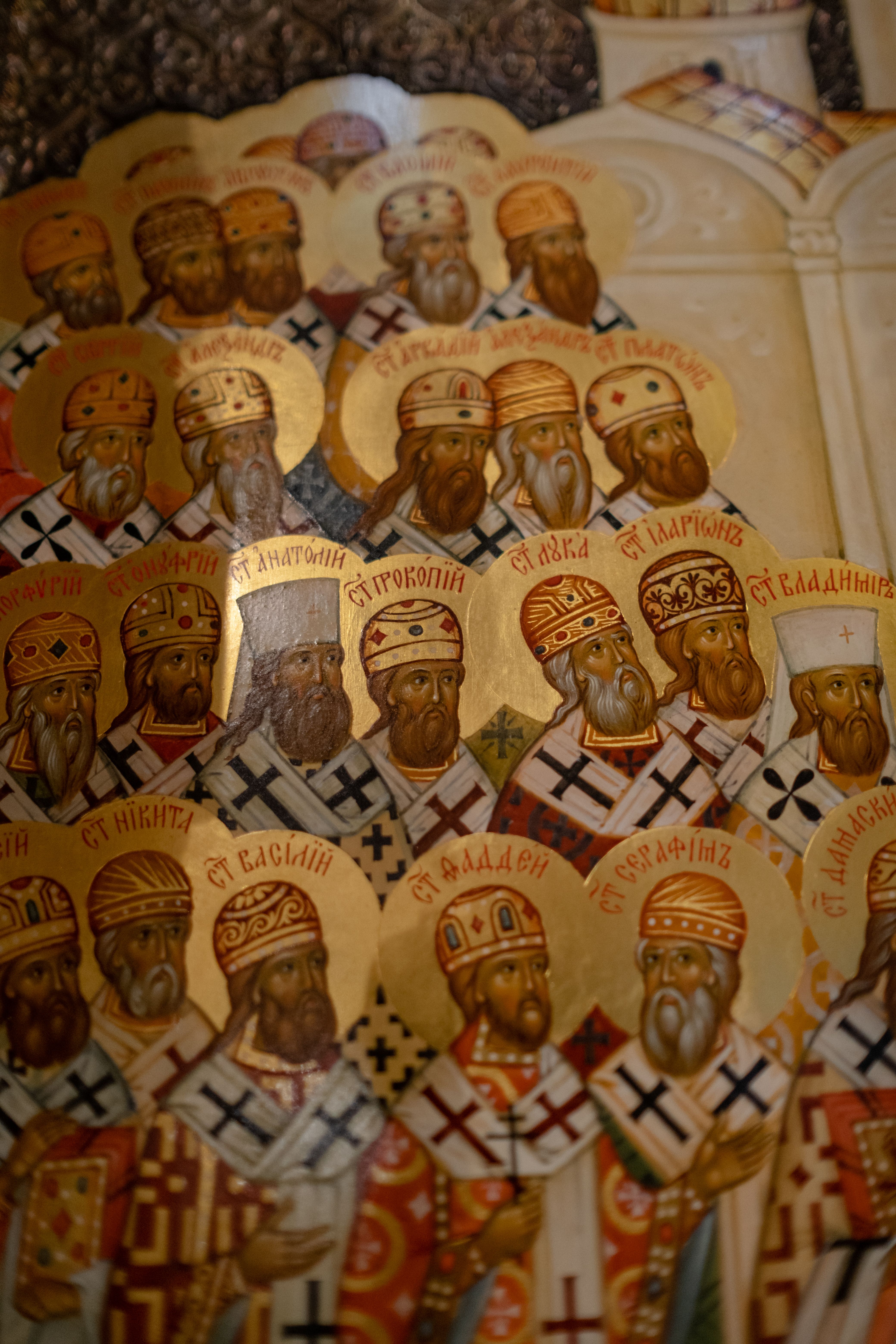
In Orthodox accounts, fluid appearing on an icon is described in different ways depending on what is seen and the atmosphere surrounding it.
The most widely celebrated form in devotional tradition is myrrh-streaming. Fluid seeping near the eyes or hands may appear clear, like olive oil or dew, carrying a sweet fragrance likened to wildflowers, incense, or herbs with no obvious source. Within religious belief, this is often understood as comfort, healing, or reassurance of spiritual closeness.
On the darker side of that same coin lies weeping of sorrow.
When fluid trickling from painted eyes lacks fragrance—appearing cloudy, thick, or, in unsettling accounts, deep crimson like blood—the mood shifts quickly from wonder to unease.
In older Orthodox folk outlook, the Mother of God and the saints do not weep without reason. Tears from above may be read as grief over human sin and moral rot, or as a silent warning of tragedy ahead: war, the fall of empires, famine, or plague.
Footprints in History: When Images Weep Before the Storm
What makes weeping-icon stories linger in horror memory is not only the sight itself, but the timing in history when such accounts spread across Orthodox lands.
1. Russia: Tears on Wood Before an Empire Fell
Russia has long been called a land of icons. In the late nineteenth century and early twentieth century—before the 1917 revolution swept away the Romanov dynasty and plunged the Orthodox church into turmoil—local accounts in rural parishes and monasteries frequently spoke of icons weeping.
One well-known story centers on the Icon of the Mother of God "Reigning," discovered in a church basement in Kolomenskoye near Moscow on March 2, 1917, the very day Tsar Nicholas II abdicated.
Even before that turning point, rumors circulated among church keepers and villagers across provinces that old icons in homes and sanctuaries showed streaks of moisture below the eyes, as if mourning in advance the millions who would die in civil war and religious persecution. As thousands of churches were closed or destroyed and clergy suffered repression, tales of icons weeping in sealed, dark rooms became lasting symbols of grief and foreboding.
2. Greece and Cyprus: Warnings Across the Mediterranean
In Greece and Cyprus, pillars of Mediterranean Orthodoxy, icons anchor village life and family homes. Greek history holds numerous accounts of weeping icons reported before national crises, conflicts, or major earthquakes.
Reports from mountain monasteries and island churches—such as times surrounding tensions and the 1974 crisis in Cyprus—describe priests and locals claiming tears appeared on icons of the Theotokos inside closed spaces.
Local custom adds to the solemnity. When word spreads that an icon is weeping, villagers often keep quiet vigil with candles rather than wipe it away immediately. Folk belief in places holds that tears on only one side—especially the left eye—can signal hardship or trouble aimed near the community.
3. Ukraine and the Balkans: Crimson Drops Amid Turmoil
Across Ukraine, Serbia, and Romania, regions shaped by repeated wars and political upheaval, accounts of weeping icons often carry a sharper, darker edge.
During the 1990s as conflict tore through the former Yugoslavia, and during later periods of unrest in Ukraine, reports emerged from various churches of dark red fluid appearing near eyes or wounds on depictions of Christ or saints. Photographs of aged wood streaked with reddish liquid spread quickly, stirring alarm among locals who saw not a gentle sign, but a grim mirror of bloodshed to come.
Mysteries in the Shadows: Natural Causes vs. the Unexplained
In the modern era, weeping icons sit right at the fault line between faith, investigation, and skepticism. Scientists, chemists, and art conservators have pointed to several physical possibilities:
• Condensation and Climate Shifts: Thick stone walls keep old churches cool and damp. When crowds gather with lit candles and incense, warm, humid air meets cold wood or glass coverings, condensing into droplets that run down cracks or crevices near the eyes.
• Aged Oils and Resins: Traditional icons use egg tempera, linseed oil, and natural varnishes. Over decades or centuries, shifts in temperature and humidity can cause oils or aging resins to bleed or exude droplets with a resinous scent.
• Oxidation and Microbes: Reddish fluid can sometimes involve moisture interacting with iron- or mercury-bearing pigments (such as cinnabar), or microbes like Serratia marcescens, which thrive in damp settings and produce red pigment that can look startlingly like blood.
• Human Fabrication: History records staged cases as well. Under Peter the Great in imperial Russia, authorities investigated and exposed instances where dishonest actors drilled tiny holes behind icons and introduced oil to draw pilgrims and donations.
Yet stories persist precisely because some reports happen in locked rooms, on mass-produced paper prints in ordinary homes, or without an immediate physical explanation found. In folk horror, what remains unexplained often hits hardest.
The Psychology of Dread in a Dim Sanctuary
Why does standing before a weeping icon feel different from encountering a ghost in an abandoned house?
Part of the answer is the uncanny sacred.
People expect churches and holy images to offer shelter and calm when the outside world turns harsh. When an emblem of peace and protection appears to grieve, bleed, or suffer, that sense of safety cracks.
Imagine keeping watch alone in a remote Eastern European village church in midwinter. Snow wind howls outside; inside, a small oil lamp glows before the sanctuary screen as you check cold stone walls with incense still lingering in the air.
Then the lamp light catches a saint's face on an old wooden panel in a shadowed corner.
You know this painting well. Painted centuries ago, its wide eyes look straight ahead. Yet in the shifting light, a wet glint catches the lower lid.
Stepping closer, you lift the lamp. A thick, clear drop inches out from that painted eye, slides slowly down aged pigment along a hairline crack in the wood, and drips onto the silver frame with a faint tick in the quiet hall.
In that moment, the first thought is rarely simple joy. A cold prickle runs down the back of your neck as a quiet question forms:
If something sacred in this church is weeping silently in the dark, what death is it mourning—and what is about to cross the threshold tonight?
Dark Lore in the Shadows: The Rule of "Forbidden" or Neglected Icons
Beyond formal church records, rural Orthodox folklore carries darker warnings about neglected or mishandled icons.
In many Eastern European communities, strict customs govern how damaged icons are treated. If a panel cracks, flakes, or becomes unusable, people are taught never to toss it in regular trash or leave it in a dirty place. Traditional practice calls for burning it cleanly in a dedicated fire and burying the ashes in clean earth or flowing water where feet will not trample them.
Folk tales warn of families who ignore those rules and stash old icons in dark attics or sheds. Local belief says an abandoned icon left without prayer loses spiritual protection, becoming a place where wandering spirits or dark forces might settle in place of the sacred gaze.
Whispers in old Carpathian and northern Russian villages say that if a neglected icon suddenly leaks dark stains with no clear cause—followed by soft knocks in the wood at night—it signals unrest or a demand being made, bringing bad dreams, unexplained illness, or family misfortune until a priest comes to pray and remove it properly.
Epilogue: Eyes Still Watching Across Time
Even in an age of instruments and explanations, stories of weeping icons in the Eastern Orthodox world refuse to fade. Every year brings new reports from small parishes in Russia, Greece, Romania, or diaspora communities elsewhere of painted eyes glistening or streaming oil.
For believers, they remain reminders that the spiritual realm is near and watches human choices.
For readers drawn to cultural and dark folklore, weeping icons embody a haunting contrast: sacred art made unsettling by belief, dread, and turbulent history.
Next time you step inside an old Orthodox church, dim and scented with incense, look up at those wide eyes on aged wood.
You may feel a gaze reaching out from the shadows—and quietly hope those eyes do not start to cry while you stand there.
About the Creator
Ellie
I do not merely tell stories… but invite you to step into a world of feelings — a small realm filled with memories, imagination, and secrets.
_______________
IG: @Ellie.15111
Enjoyed the story? Support the Creator.
Subscribe for free to receive all their stories in your feed. You could also become a paid subscriber or give them a one-off tip, letting them know you appreciate their work.
Comments
There are no comments for this story
Be the first to respond and start the conversation.