
We Bury the Dead Review: A Hauntingly Emotional Take on the Undead Genre
Is We Bury the Dead worth seeing?

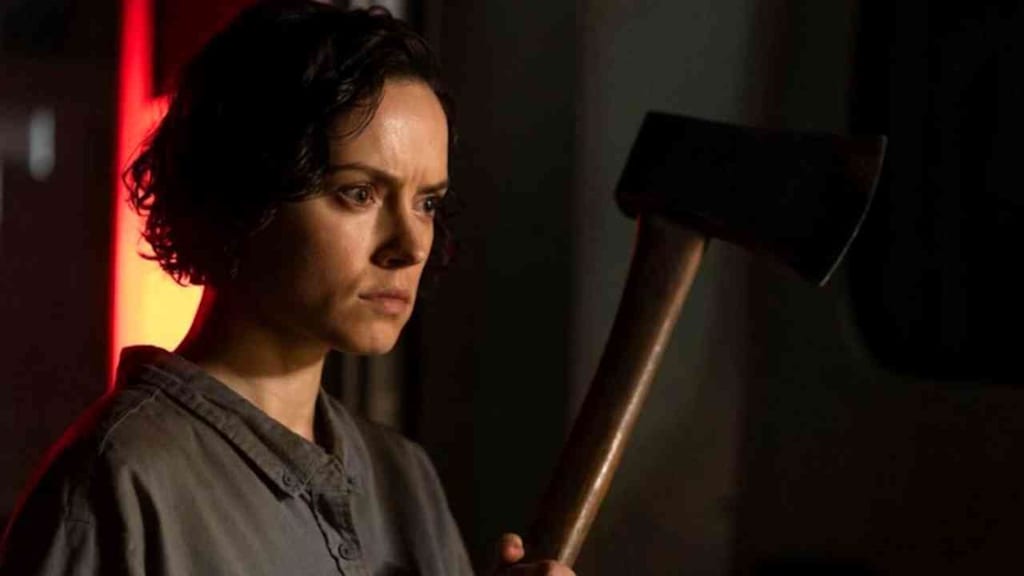
My first theater experience of the new year was watching We Bury the Dead starring Daisy Ridley, and honestly, it wasn’t the movie I expected — in the best possible way.
The marketing leans heavily into zombie horror territory, so it’s easy to walk in expecting nonstop scares, gore, and undead chaos. But while the film definitely contains unsettling imagery and a unique spin on the zombie concept, this is far more of an emotional post-apocalyptic drama than a traditional horror movie.
At its core, We Bury the Dead is a story about grief, regret, and the painful process of acceptance.
The Premise: A Different Kind of Zombie Story
The setup is surprisingly simple and refreshingly efficient.
Within the opening minutes, the film quickly establishes that Tasmania has suffered a catastrophic military disaster after an American weapons test goes horribly wrong. The result is devastating: nearly the entire population is wiped out instantly.
Volunteers arrive to assist in recovering and identifying bodies, and that’s where Ava — played by Daisy Ridley — enters the story. While helping with recovery efforts, she searches desperately for her missing husband, forcing herself to confront unresolved guilt and emotional wounds along the way.
What makes the film’s “zombie” angle interesting is how grounded it feels.
Rather than flesh-eating monsters sprinting through the streets, the movie explains that the military test essentially shut down the brains of all living creatures, almost like an EMP pulse affecting electronics. Most victims remain dead, but occasionally some inexplicably “wake up” again.
The film introduces this concept early and communicates it clearly without overloading viewers with exposition. It’s a smart, understated approach that immediately separates the movie from standard undead thrillers.
A Slow-Burn Character Drama
This is a patient film.
At 94 minutes, it somehow feels slightly longer, but not in a frustrating way. The pacing allows the audience to spend meaningful time with Ava and the other volunteers as they work through the emotional and physical toll of recovering bodies from a shattered world.
The movie doesn’t rush into chaos or action.
Instead, it focuses on atmosphere, relationships, and emotional damage. Through brief flashbacks, we gradually learn more about Ava’s life before the disaster and why finding her husband matters so deeply to her.
Some of these flashbacks are intentionally vague and emotionally loaded, although one late-story revelation introduces a small plot inconsistency that feels a bit odd. Thankfully, it doesn’t derail the larger emotional journey the film is trying to tell.
Daisy Ridley Delivers a Powerful Performance
Daisy Ridley is genuinely fantastic here.
Her performance is restrained, quiet, and deeply expressive. Much of Ava’s emotional state is communicated through body language, facial expressions, and silence rather than dialogue.
Even when she says very little, you can still feel the grief, exhaustion, and anxiety weighing on her.
What works especially well is that Ava never feels like a stereotypical action hero. She isn’t fearless, overly confident, or unrealistically unstoppable. She acts out of necessity and determination, which makes her vulnerability feel authentic.
At the same time, she’s smart and observant enough to avoid becoming helpless.
That balance makes her incredibly compelling to watch.
The Supporting Cast and Character Dynamics
Alongside Ridley, the film features Brenton Thwaites, Mark Coles Smith, and Matt Whelan.
Thwaites’ character becomes Ava’s partner during recovery operations, and their relationship develops naturally over time.
Thankfully, the movie avoids forcing romance or instant emotional bonding between them. Their connection grows slowly through shared experiences, mutual trust, and emotional survival.
They simply feel like two damaged people trying to navigate an impossible situation together, and that realism strengthens the film considerably.
Practical Effects and Makeup Are Outstanding
One area where We Bury the Dead absolutely excels is its practical effects work.
The deceased look horrifyingly decomposed without losing their humanity. That detail matters because the movie wants viewers to feel conflicted rather than simply terrified.
Some of the awakened victims are genuinely disturbing, but also deeply sad.
Several carry this vacant, almost childlike expression while their bodies twitch, decay, and grind unnaturally. The result creates a strange emotional tension: these figures are frightening, yet they also inspire pity.
As the story progresses, some become more aggressive and physically threatening, but the film never fully transforms into a conventional zombie action movie.
When violence does happen, though, it hits hard.
The camera often moves uncomfortably close during attacks, emphasizing blood, impact, and brutality without becoming excessive or exploitative. The gore serves the story instead of existing purely for shock value.
Cinematography That Captures Isolation
Visually, the film is stunning.
The cinematography constantly reinforces themes of loneliness and emotional emptiness. Wide overhead shots emphasize the sheer scale of devastation, while other scenes hold on empty frames for extended moments before characters slowly enter the image.
That patience gives the world a haunting stillness.
Some visuals even evoke the adventurous beauty of The Secret Life of Walter Mitty, while other sequences lean into apocalyptic fantasy imagery. The smoke-filled red skies and glowing horizons occasionally resemble something pulled straight out of The Lord of the Rings.
The ruined landscapes feel massive, dangerous, and emotionally suffocating.
Predictable Twists, But Strong Emotional Payoff
There is one major twist in the middle of the story that’s fairly easy to predict.
The reveal itself isn’t especially clever, and seasoned moviegoers will likely see it coming long before it happens. However, the emotional consequences tied to that moment are surprisingly effective.
Even though the plot development feels familiar, it deepens Ava’s emotional arc in meaningful ways and strengthens the larger themes surrounding grief and acceptance.
That emotional payoff ultimately matters more than the surprise itself.
The Ending Brings the Story Full Circle
The ending may strike some viewers as safe or even somewhat formulaic, but I thought it fit the story beautifully.
Everything about the resolution aligns with the emotional groundwork the film carefully builds from the beginning. Both the spoken dialogue and the quieter, unspoken moments support where the story ultimately lands.
No, the movie isn’t perfect.
But beneath the decaying bodies and post-apocalyptic horror elements is a surprisingly touching and human story.
Final Thoughts on We Bury the Dead
We Bury the Dead may not deliver the adrenaline-heavy zombie horror its trailer suggests, but what it offers instead is far more thoughtful and emotionally resonant.
The film uses death and resurrection as metaphors for grief, longing, regret, and the painful process of moving forward. Daisy Ridley anchors the story with an emotionally layered performance that feels vulnerable without ever becoming weak.
Combined with impressive practical effects, unsettling creature design, and gorgeous cinematography, the result is an atmospheric and surprisingly moving experience.
I ended up enjoying this far more than I expected.
Rating: 4 Out of 5
It may have been released during the typical January dumping ground season, but We Bury the Dead stands out as a strong and memorable entry in the undead genre.
About the Creator
Bella Anderson
I love talking about what I do every day, about movies, and earning money online. Follow me if you want to read something useful and joyful.
Enjoyed the story? Support the Creator.
Subscribe for free to receive all their stories in your feed.
Comments
There are no comments for this story
Be the first to respond and start the conversation.